































HubSpot for Construction Companies: Estimates Out, Not Stalled

General contractors bid far more jobs than they win, and every bid ties up estimating time whether it lands or not. HubSpot scores the opportunity before the takeoff starts, keeps subcontractor pricing with the job, and grows the negotiated repeat work that beats competitive bidding every time.

men in suits and hard hats reviewing blueprints before skyscrapers

Teams that leveled up their growth with HubXpert

Company logo (3)
Company logo (2)-1
Company logo (1)-1
Company logo-1
Icon Group 1-1
Company logo (4)-1
Company logo (3)
Company logo (2)-1
Company logo (1)-1
Company logo-1
Icon Group 1-1
Company logo (4)-1
The Reason

Why Contractors Need More Than Estimating Software

Estimating software builds the number. It was never built to decide which bids are worth chasing or to turn a client into repeat, negotiated work. Estimator hours are the real currency, and they are finite. A bid won on price alone walks away on the next one.

Estimating Capacity Is the Limit

Every bid consumes estimator hours whether it wins or not, and chasing too many low-odds jobs starves the ones you could land.

Bid Work Rarely Builds Loyalty

An owner who takes the lowest number every time will take somebody else's lower number next year.

Subcontractor Pricing Moves

Quotes expire, scope gaps appear, and a bid assembled from last month's numbers carries a margin nobody can see. Subcontractor quotes expire quietly on the desk.

Prequalification Is a Gate

A general contractor cannot bid without current insurance, safety records, and references, and an expired certificate stops a submission. One expired certificate can block a submission entirely.

The Award Is Quiet

A job goes to somebody else and no reason comes back, so the next bid repeats the same mistake. A loss with no reason is a lesson nobody learns.

Attribution Ignores the Referral

Negotiated work that came from a developer gets credited to whichever ad ran last.

Benefits

Key Benefits of HubSpot for Construction Companies

HubSpot for Construction Companies covers five areas where estimator hours, not marketing budget, decide the year.

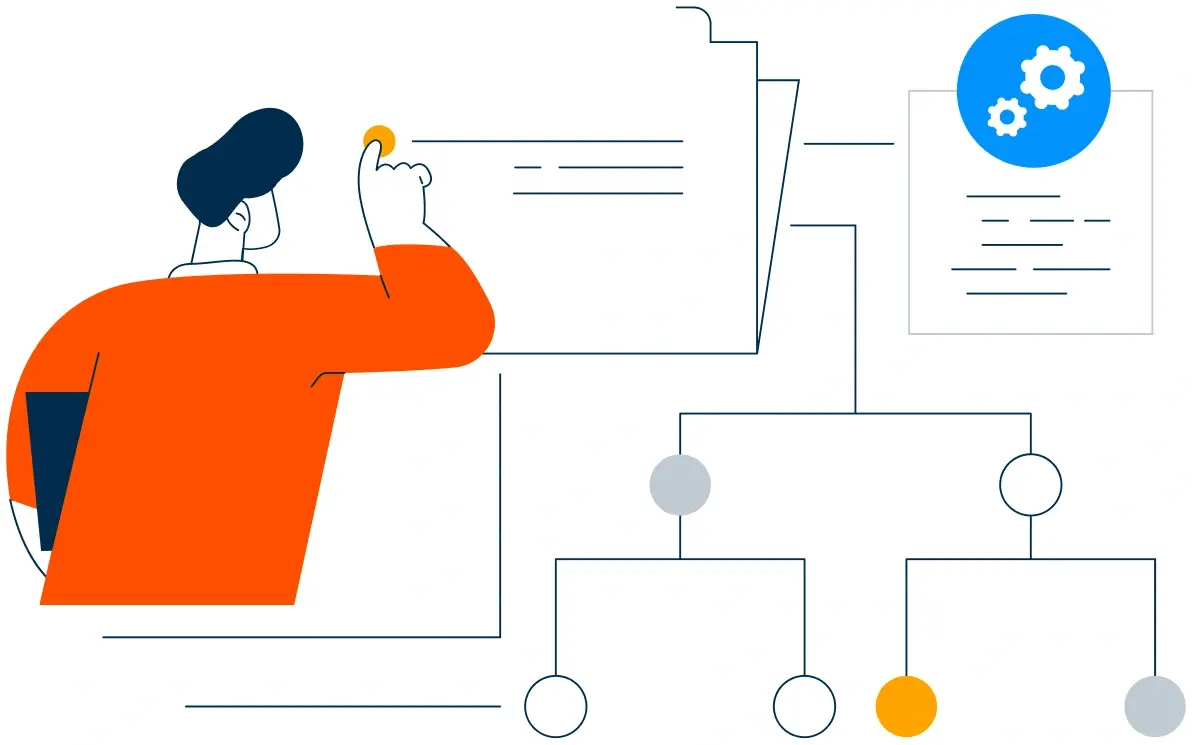
Score the Bid Before Takeoff

Decide where the estimating hours go. Estimator hours saved go to the jobs actually worth winning.

  • Bid score

    Fit, client, and odds. Segment by client type.

  • Go or no-bid

    A decision, with reasons.

  • Track hit rate

    Awards against bids.

  • Report bid cost

    Estimator hours per win.

Built for project data.

A careful setup with role-based access, and drawings, submittals.

  • 36% More deals closed
  • 37% Faster ticket resolution
Case Studies

Our Featured Works

A curated selection of HubSpot implementations and digital marketing campaigns that moved the needle for our clients.

Real Estate

Optimizing Property Listings with HubSpot and Bubble Integration for Off-Market

Bubble development and hubspot sync.Off-Market Real Estate sought to streamline their property listing and search request processes.

Off Market
Off Market – Optimizing Property Listings with HubSpot and Bubble Integration for Off-Market

Real Estate

Zoho Onboarding and Website Creation for a US-based Drywall Company, Division 9 Pro

A US-based drywall company specializing in providing professional drywall installation and finishing services. They focus on delivering high-quality workmanship and reliable service to residential and commercial clients.

Division 9 pro
Division 9 pro – Zoho Onboarding and Website Creation for a US-based Drywall Company, Division 9 Pro
HubSpot Usage

How Contractors Use HubSpot From Invitation to Negotiated Work

Step 1

Score the Invitation

Fit, client history, and estimating capacity are scored before the takeoff begins. Most invitations arrive from an owner, architect, or general contractor who already knows you.

Step 2

Assemble the Bid

Subcontractor quotes arrive with scope and expiry, and a thin coverage area raises a warning. Subcontractor pricing decides whether the number holds by Friday.

Step 3

Submit and Learn

The award or loss is recorded with the reason, so the next bid starts from evidence.

Step 4

Convert to Negotiated Work

After handover, a repeat conversation goes out to the owner and the developer. The takeoff begins long before anybody asks about price.

Workflow & Triggers

Example Construction Workflows We Can Automate in HubSpot

These are the workflows we build most often when we set up HubSpot for Construction Companies, tuned to a business whose margin is decided before the first hammer. A low score raises a no-bid decision with the reason recorded.

smiling worker in a hard hat standing before an apartment building
  1. Bid Score Gate

    An invitation below the score threshold raises a no-bid decision rather than a takeoff. An invitation below the threshold raises a no-bid record.

  2. Sub Quote Expiry

    A quote expiring before the bid date raises a task to reconfirm.

  3. Prequalification Alert

    A certificate expiring inside sixty days raises a renewal task.

  4. Award or Loss Log

    The outcome and reason are recorded, so hit rate is measured rather than remembered. The award or loss is recorded with whatever reason was given.

  5. Repeat Job Prompt

    Ninety days after handover, the owner receives a check-in about the next phase. A check-in goes out ninety days after handover.

  6. Developer Update

    Developers with active relationships hear from the firm each quarter. Developers hear from the firm once a quarter.

  7. Margin Review

    Bid margin against as-built cost is reported per job. Margin is reported per job against the bid number.

Why HubXpert

Why Choose HubXpert for HubSpot Construction Builds?

Contractors come to us because the estimating team is the constraint and the bid list is somebody else's, and the work that pays best is the work you were invited to do twice.

HubSpot Platinum Partner

Certified platform expertise, with a track record across built environment workflows and contracting businesses.

Custom Bid Workflows

Built around your scoring, prequalification, and repeat-client process. No generic templates.

Advanced Automation

Multi-step workflows and conditional logic built for bid deadlines.

CRM Migration and Data Structuring

Clean imports from spreadsheets or an existing CRM, with client and job history intact.

Integration and API Development

An in-house team connecting HubSpot to your estimating and project systems.

Reporting and Optimization

Hit rate, negotiated share, and margin drift tracked from launch.

Compliance

Practical Setup Inside HubSpot for Construction Companies

A contractor holds drawings, submittals, safety records, and often client financial detail. The work is separation: project documents stay in the project systems, safety records stay with the compliance lead, and the CRM carries the bid, the certificate status, and the conversation.


  • Project Document Separation
  • Safety Record Handling
  • Role-Based Access
  • Retention Rules
Secure data lock
HubSpot Hubs

HubSpot Hubs Recommended for Construction Companies

Not every contractor needs every hub, and most start with Sales before adding Marketing.

  • Marketing Hub

    Your repeat and referral engine, aimed at owners and developers who already know you. Most contractors start with Sales, then add Marketing for repeat work.

  • Sales Hub

    Built for bids and negotiated work, where the score, the quote, and the award share a record. Bid sequences run from the same record as the score. One record links the bid, the award, and the repeat job.

  • Service Hub

    Where owner questions, warranty items, and change orders sit on the job. Here is how each one lines up with a business whose pipeline is a bid list it does not control and a margin it cannot see.

  • Content Hub

    Powers the project gallery and capability statement that prequalification asks for. Warranty items sit on the job, not in an inbox.

  • Operations Hub

    Connects estimating and project systems, which is the only way margin drift stays visible. Project galleries get updated without a developer. Estimating stays the source, and the CRM points at it.

Our Process

Our Process for Implementing HubSpot for Construction Companies

Step 1.

Discovery and Bid Analysis

We look at what the estimating team chases, where bids are lost, and how repeat work currently happens. It also sets the reporting the estimators will read each month.
Discovery and Bid Analysis illustration
Step 2.

CRM Architecture and Pipeline Planning

Bid stages, scoring fields, and certificate records mapped to how the business actually runs. Stages mirror how an invitation becomes a signed contract.
CRM Architecture and Pipeline Planning illustration
Step 3.

Automation and Integration Setup

Workflows built, estimating and project integrations connected, and dashboards created. Every automation is tested before launch. Consent rules are configured before the first send.
Automation and Integration Setup illustration
Step 4.

Team Training and Adoption

Hands-on training for estimators and business development on the score gate and the prequalification alerts.
Team Training and Adoption illustration
Step 5.

Reporting and Optimization

Once live, we monitor hit rate and negotiated share, and refine the scoring threshold each quarter.
Reporting and Optimization illustration
FAQ

Questions You Might Have

Does HubSpot work for construction companies?

Yes. It runs the commercial side of the business: which bids to chase, subcontractor pricing, prequalification status, awards, and repeat work, while estimating and project systems keep doing the technical work. The constraint it addresses is estimator time, which is the scarcest thing a contractor has.

How does HubSpot decide which bids to chase?

Fit, client history, and available estimating capacity are scored before the takeoff starts, and an invitation below the threshold raises a no-bid decision with reasons recorded. That frees hours for the jobs with a real chance.

Can HubSpot track subcontractor pricing?

Quotes are logged with scope and expiry, and a quote expiring before the bid date raises a task to reconfirm. A thin coverage area is flagged too, which is where margin quietly disappears.

How does HubSpot handle prequalification?

Insurance, safety, and reference records sit in a register, and a certificate expiring inside sixty days raises a renewal task. Bids blocked by paperwork are reported, so the pattern is visible rather than surprising.

How does repeat, negotiated work get built?

Ninety days after handover, the owner receives a check-in about the next phase, and developers with active relationships hear from the firm each quarter. Negotiated share is reported against bid work, which is the number that shows whether the strategy is working.

Do we learn why we lost a bid?

The outcome is recorded with the reason when one is given, so hit rate and loss patterns are measured rather than remembered. Over a year that turns into a view of which clients and job types are worth pursuing.

Where do drawings and safety records live?

In the project systems and with the compliance lead. The CRM carries the bid, the certificate status, and the conversation, and permissions follow the role so sensitive detail stays with the right people.

How long does an implementation take?

Most run four to six weeks, with the bid score gate live before the next tender round.

Book Consultation

Ready to Bid Fewer Jobs and Win More?

Fourteen bids went out last month, two were realistic, and the insurance certificate expires before the next prequalification deadline. No generic setup, and no bid written on instinct. The first tender round is measured against your own hit rate. Nothing goes live until the estimating sync is proven.

Takes 30 minutes, delivered by certified HubSpot experts

Ratul-Rahman