




































Attract Prospective Members
Local search, physician referrals, and member word of mouth bring prospects in, with the source recorded, and the referral usually arrives before the search does.
A concierge practice sells a membership, not a single visit, so a slow reply or a lapsed renewal costs a year of revenue rather than one appointment. HubSpot helps direct primary care practices fill the panel, onboard new members properly, and keep renewals from slipping away unnoticed.

Teams that leveled up their growth with HubXpert
Nobody has an emergency that forces them to join. A prospect compares three practices for weeks, and the one that answers properly usually wins.
Your system manages charts, scheduling, and billing. It does not nurture a prospect, track a waitlist, or show which channel produced a member.
A member who stops using the practice rarely cancels on day one. They simply do not renew, and nobody notices until the direct debit fails.
Concierge growth is capped by capacity. Without a waitlist and a clear intake process, a full panel looks like a marketing failure instead of a routing problem.
Most new members arrive through an existing one. Without tracking, the practice cannot tell which member is worth thanking or which physician referral actually converts.
The first thirty days decide whether a member feels the fee is worth it. A slow welcome almost guarantees a quiet exit at renewal.
Five areas where a practice can fill its panel with members who stay past the first year.
Every form and call creates a task on arrival.
Replies cut the work, so referrals get thanked.
Calls, emails, and texts sit on the member record.
Sequences match how a prospect decides.
One form, one record, no duplicates.
Content that answers fee and access questions.
A reminder sequence that survives a busy week.
A task when a visit happens and nothing follows.
Usage gaps surface before renewal.
Notice at 60 and 30 days out.
A task when contact drops for a quarter.
Reasons recorded, not guessed.
Source stored on every enquiry.
Each referral traced to the member who sent it.
Physician and employer partners compared fairly.
A short summary leadership can read quickly.
A sequence from signature to first visit.
Every new member has a named contact.
Forms completed before the first appointment.
A call task that catches a bad start.
A HIPAA-conscious setup, role-based access.
A curated selection of HubSpot implementations and digital marketing campaigns that moved the needle for our clients.
WEBOPS
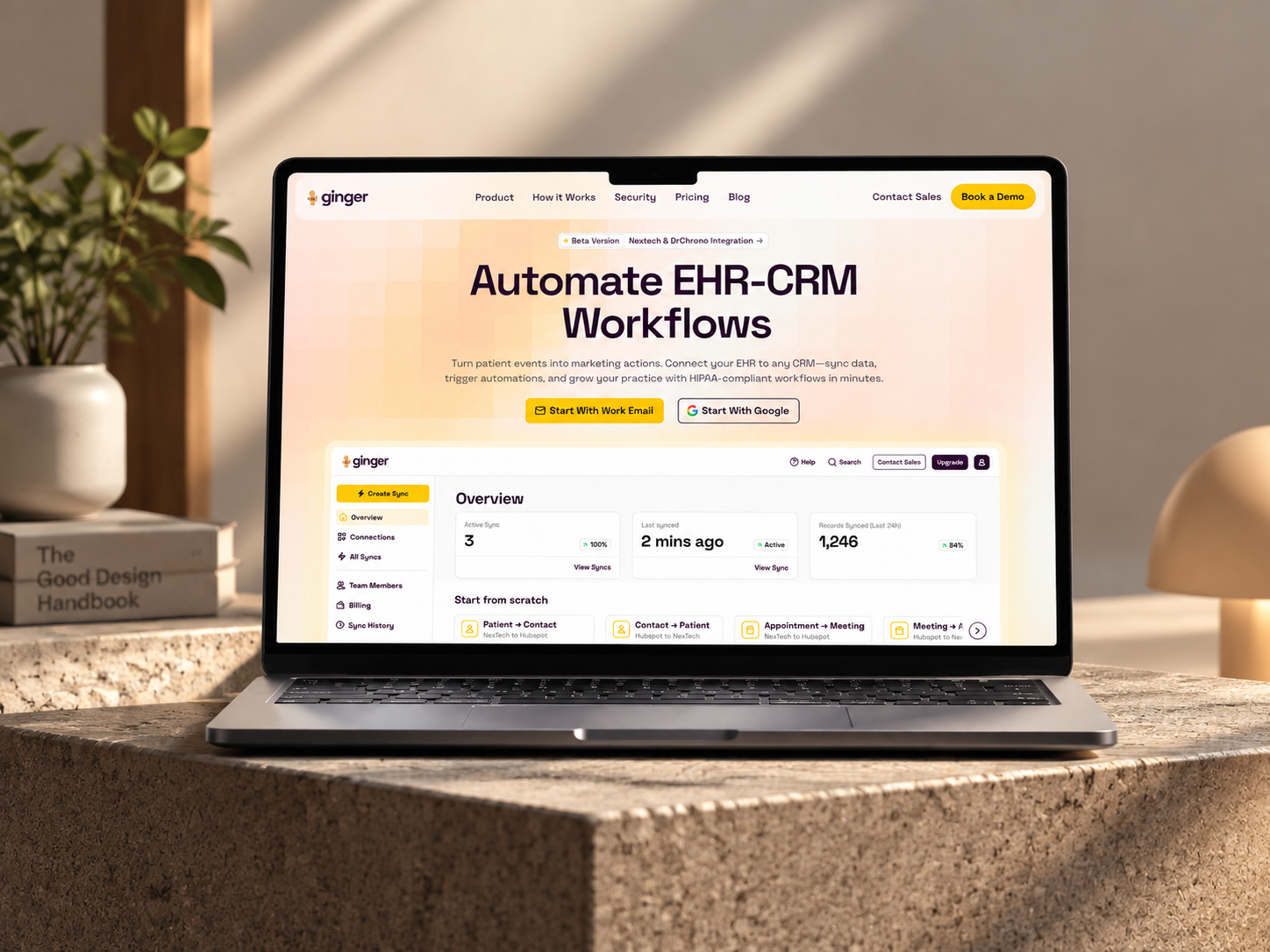
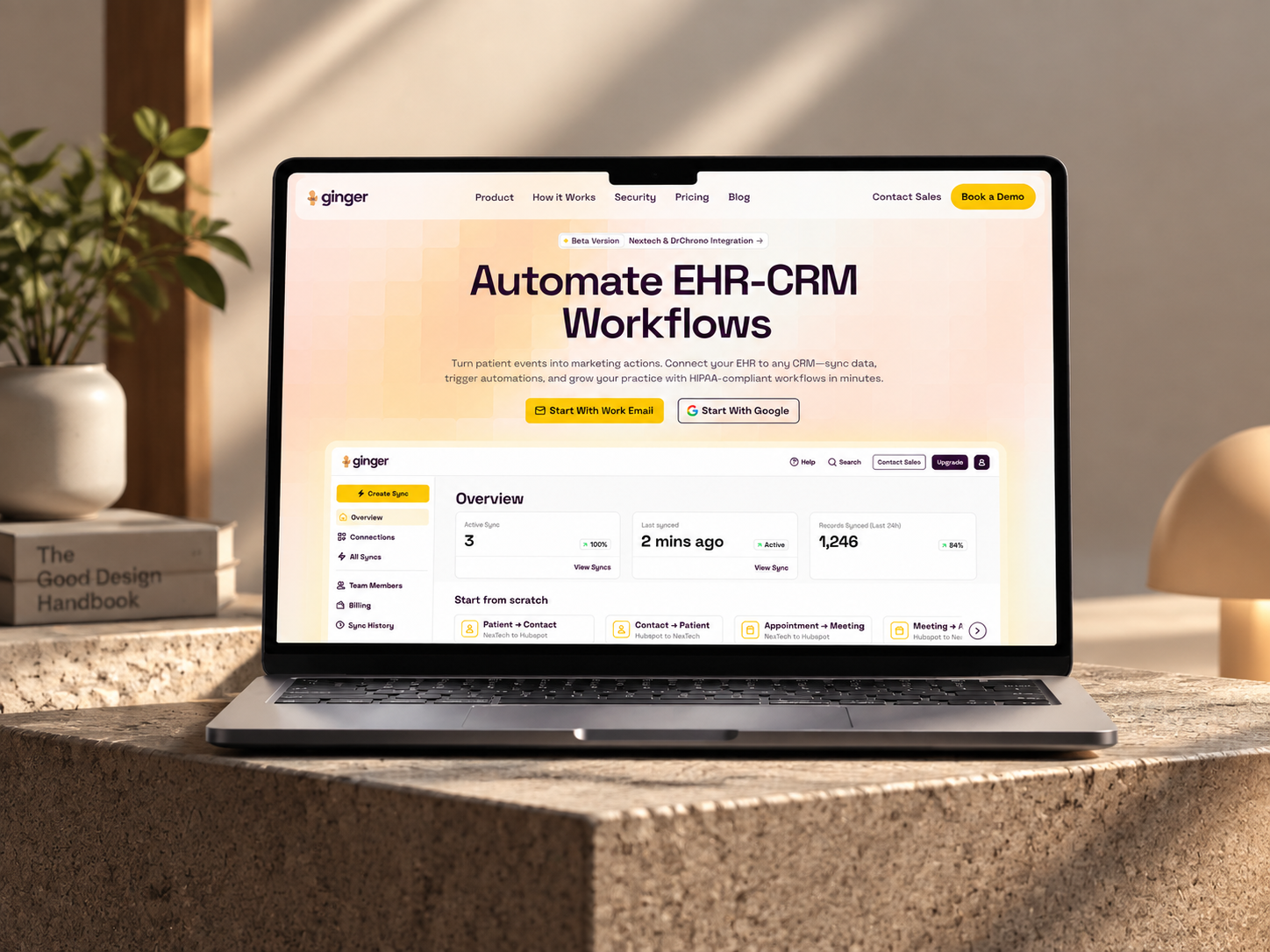
Leva Medical lacked Nextech–HubSpot integration, limiting marketing insights. HubXpert enabled secure, real-time sync for smarter, compliant patient engagement.
DevOPS
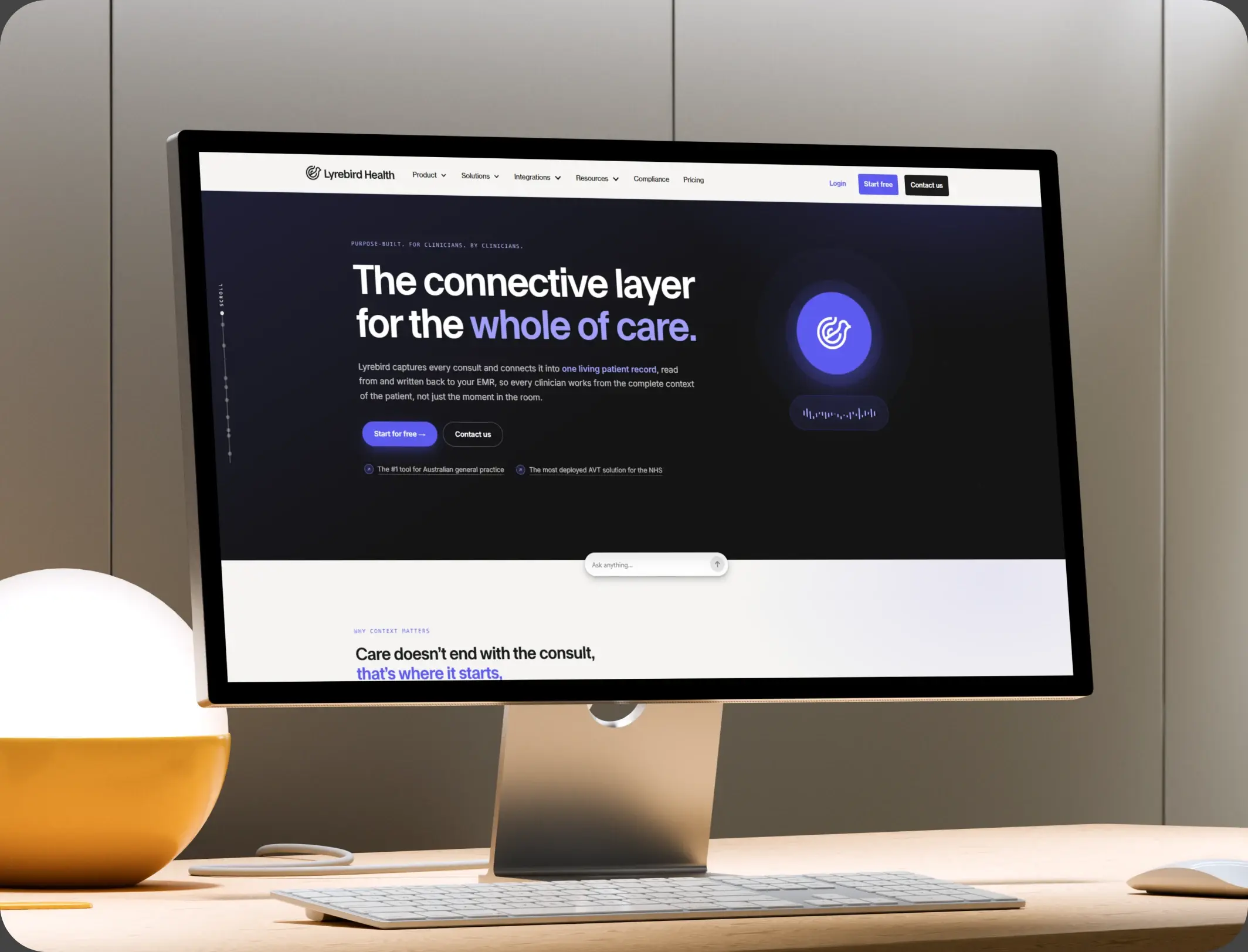
Lyrebird Health is a Healthcare SaaS company building AI-powered scribe and diagnostic solutions for clinics and hospitals.
DevOPS
HubSpot portal empowers the Customer Service team to validate data, coordinate reports with doctors, and process pharmacy orders efficiently.
Local search, physician referrals, and member word of mouth bring prospects in, with the source recorded, and the referral usually arrives before the search does.
Nurture answers the fee and access questions, then a reminder sequence gets the visit booked. The visit is where the fee stops being abstract.
A follow-up sequence after the visit, with an owner assigned when a prospect goes quiet. Enrollment follows a conversation, not a form.
Engagement tracking, renewal reminders, and a 30-day check-in protect the second year.
Instant acknowledgement, coordinator task, follow-up at 24 hours if unbooked, and a reminder before the visit. Anyone who books exits the sequence at once.
Fee and access detail at two days, a membership summary at five, and a call task if the prospect is still undecided at ten. A full panel routes to the waitlist automatically.
When the panel is full, enquiries join a waitlist with an expected availability date and a monthly check-in. The renewal task fires even if the member is silent.
Notice at 60 and 30 days, with a task for the practice manager if a member has not responded at two weeks out.
A task when a member has had no contact for a quarter, framed as a check-in rather than a sales call.
A note when a referral joins, with the referring member recorded on the new contact.
A call task at day 30 to catch a bad start before it becomes a cancellation.
Certified platform expertise, with a track record across healthcare workflows and membership practices.
Built around your fee structure, waitlist, and renewal calendar. No generic templates.
Multi-step workflows and conditional logic built for long consideration and annual renewal.
Clean imports from your practice system or spreadsheets, with member history intact.
An in-house team connecting HubSpot to your EMR, scheduling, and billing systems.
Continuous refinement as the panel fills and the practice adds locations.
HubSpot signs a Business Associate Agreement on Enterprise plans, and a super admin can enable Sensitive Data settings so the portal may hold PHI. Clinical records stay in the EMR, and the concierge crm carries the enquiry, the membership conversation, and the renewal sequence.

Not every practice needs every hub, and most start with Marketing and Sales. Here is how each one lines up with a membership-based primary care business.
Your acquisition and nurture engine: local campaigns, landing pages, and membership content. Campaigns and nurture sequences run from the same prospect record.
Built for the membership pipeline and the fee conversation that follows a visit. Each enquiry carries an owner and a response window.
Where member requests, scheduling changes, and access questions get organized and tracked. The coordinator sees the history before calling back.
Powers the website and membership content with built-in SEO, so service pages stay current. Membership and fee pages get edited without a developer.
Connects EMR, scheduling, and billing systems, most valuable when the practice adds locations. Records stay matched. Records stay matched across sites instead of drifting.
Handles membership fees, annual retainers, and payment links, so billing sits beside the member record.
Yes. It runs the growth side of the practice: enquiry capture, nurture, practice visits, enrollment follow-up, renewals, and referral tracking, while the EMR keeps the record. Most practices see the difference within the first renewal cycle. The CRM carries coordination, not charts.
It can. Engagement gaps surface before renewal, reminders go out at 60 and 30 days, and a 30-day onboarding check-in catches a bad start early. Renewal rate is tracked, so the improvement is measurable. Every workflow is tested before it reaches a member.
Yes. When the panel is full, enquiries join a waitlist with an availability date and a monthly check-in, so a capacity problem does not look like a marketing problem. The sequence is matched to how the member joined.
Each referral is traced to the member who sent it, so the practice knows who to thank and which member brings members who stay. Nothing is assumed native until the connector is confirmed.
HubSpot offers a Business Associate Agreement, and HIPAA data requires an Enterprise hub with Sensitive Data settings enabled by a super admin. Clinical records stay in the EMR. Automation never sends a clinical claim.
Often through a native integration, otherwise an API or middleware. Membership and appointment data cross over, and the sync direction is scoped first. That is how cost per member becomes visible.
Yes. Location routing, permissions, and consolidated reporting work across sites, with each practice keeping its own panel. We map which fields may hold clinical detail before launch.
Most run four to eight weeks, depending on integrations and how much member history needs migrating. Clinical detail stays in the EMR.
Ready to Fill Your Panel With Members Who Stay?
A prospect is comparing three practices this week, and a member is quietly deciding not to renew. We build around your fee structure, your waitlist, and your team. The fee is annual, so a quiet member is a renewal already lost. No generic setup, and no renewal left to chance.