














Attract Renters and Accounts
Search, aggregators, and corporate referrals bring demand in, with the source recorded at first touch. Most bookings start on a phone, often the same day.
A reservation nobody confirmed costs you twice: the car waits for a renter who never arrives, and the walk-up at the counter gets turned away. HubSpot helps car rental companies confirm bookings before pickup, keep every branch and renter on one record, and fill idle vehicles instead of watching them sit.

Teams that leveled up their growth with HubXpert
A booking made online or by phone often carries no deposit and no confirmation step, so a branch cannot tell a committed renter from a no-show until the pickup window has passed.
Inventory, rates, and rental contracts are handled well. Those platforms were never built for nurture, loyalty renewal, or showing which channel brings renters who actually arrive.
A business account books twenty cars a month across three branches. Without a shared record, rates, approvals, and history reset with every booking.
A renter who used the company four times a year stops, and nobody notices until the year is over and the revenue is already gone.
A car sitting on the lot is depreciation with no revenue, and the branch that could have filled it never heard about the availability.
Aggregators, paid search, and corporate referrals all claim the same booking. Without attribution, marketing spend follows habit.
HubSpot for Car Rental Companies covers five areas where an operator can lift utilisation without adding counter staff.
Rate pages, quote forms.
Vehicle class, location, dates.
Stay present while they compare rates.
See which channels produce renters who arrive.
Messages before pickup.
A task when a reservation has no deposit.
A rebooking offer while the vehicle is still free.
See which branch converts soft bookings.
Volume, locations, and vehicle classes.
Negotiated terms visible at every branch.
A quarterly touchpoint with usage attached.
Outreach before a contract lapses.
Vehicle class, branch, and dates.
Points and upgrades stated plainly.
Timed to when they usually travel.
A task before a habit becomes a memory.
Source stored on every enquiry.
Utilisation and conversion by location.
Judged on shown pickups, not clicks.
A summary the owner can act on.
A privacy-conscious setup with role-based access, and license.
A curated selection of HubSpot implementations and digital marketing campaigns that moved the needle for our clients.
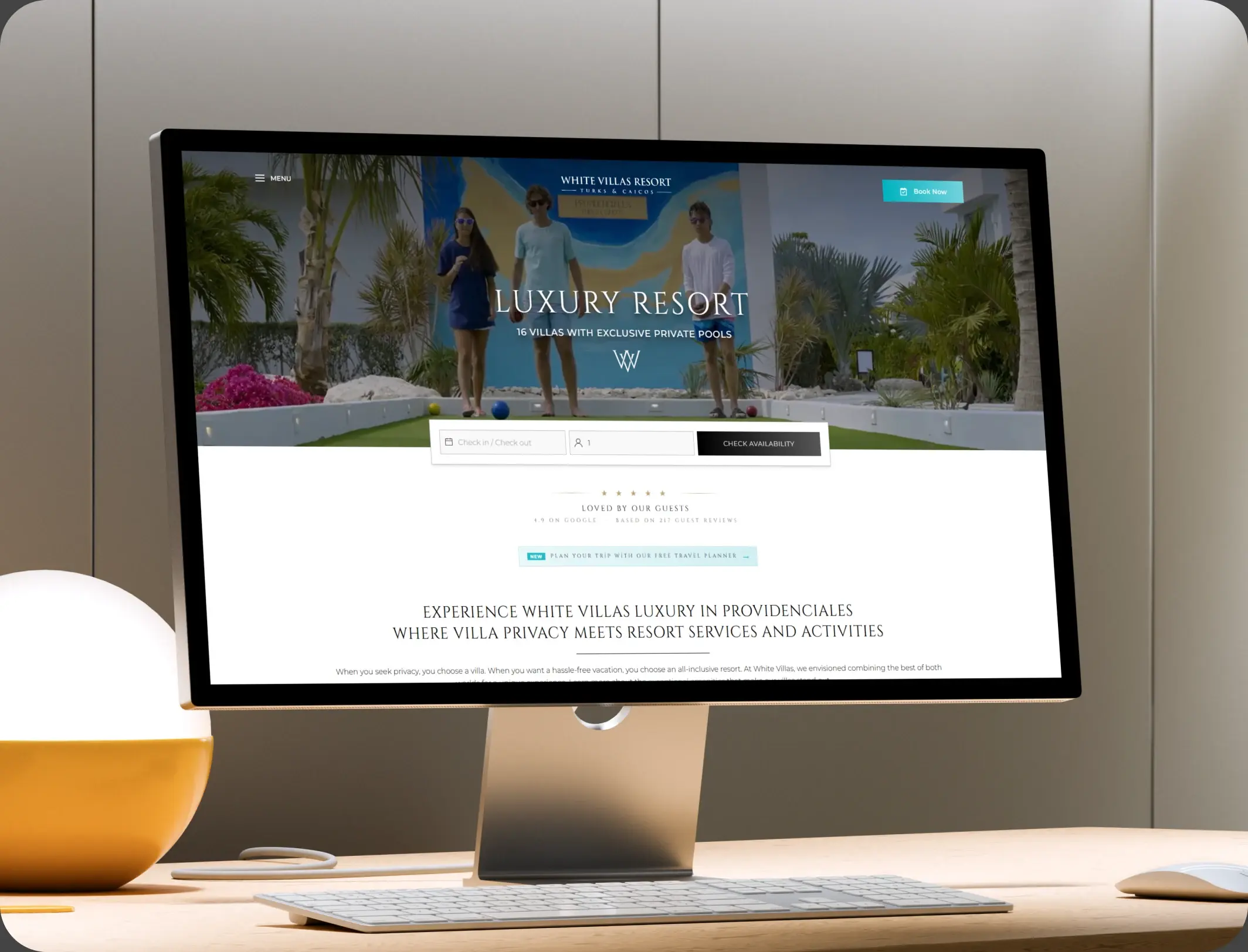
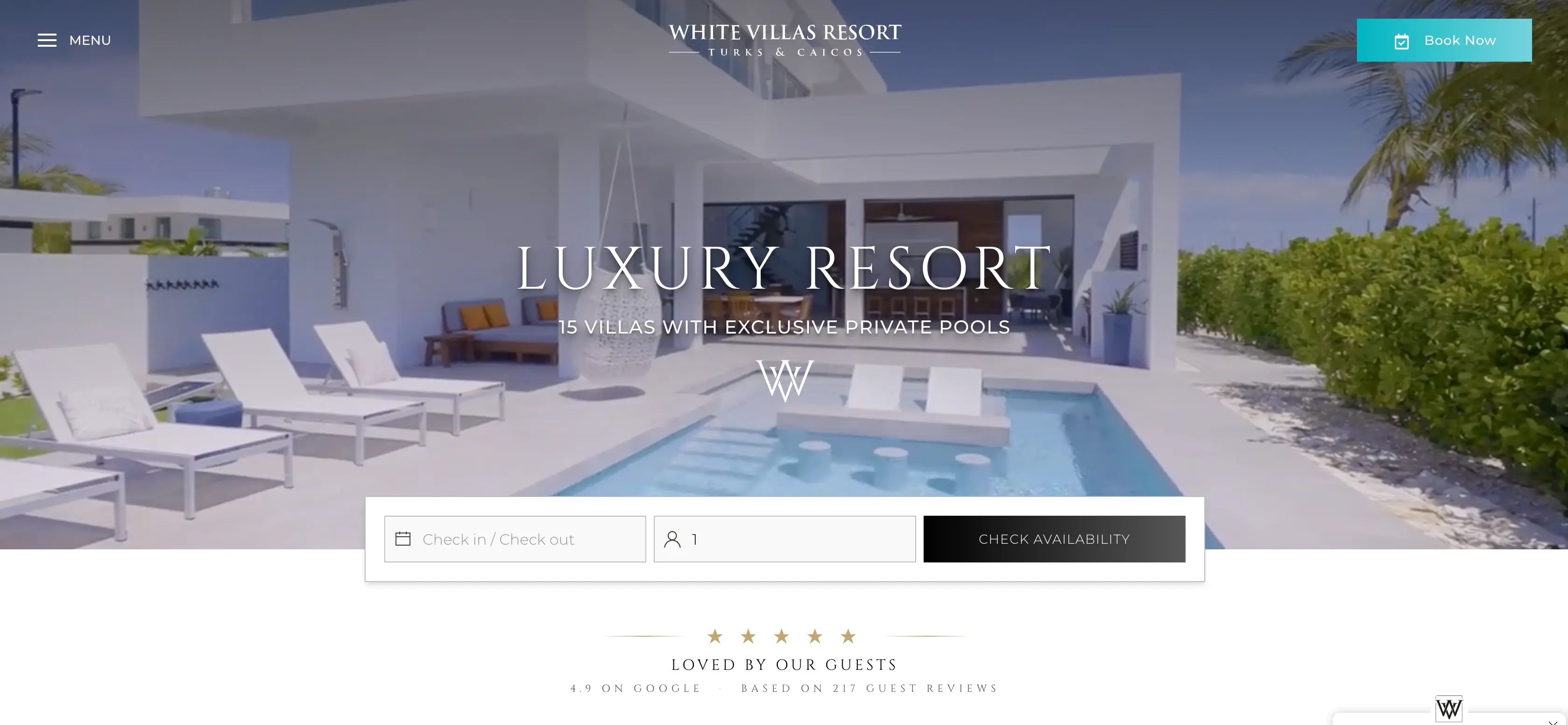
HOSPITALITY
HubSpot End-to-End Guest Experience Automation for a Resort Villa - White Villas.
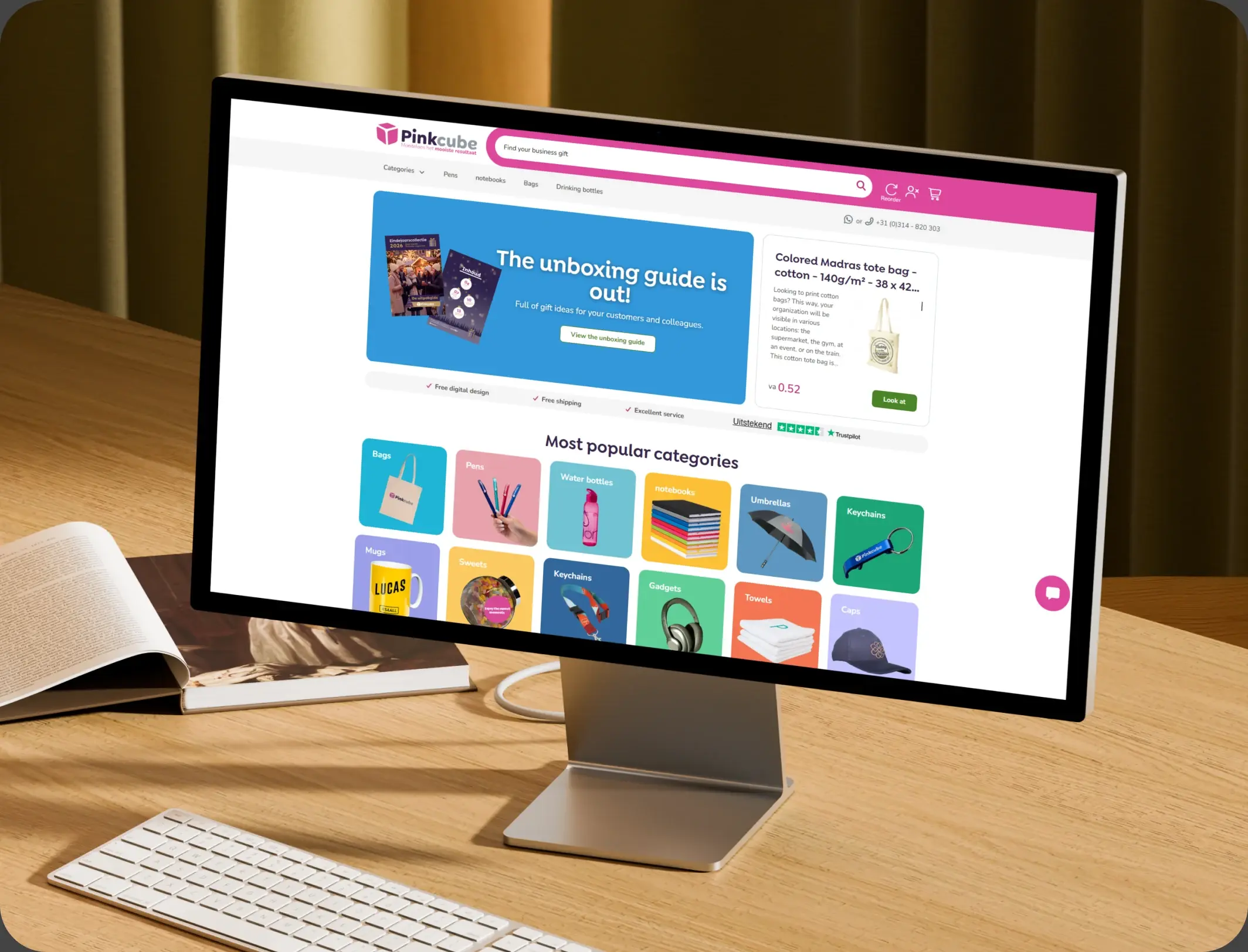
E-COMMERCE
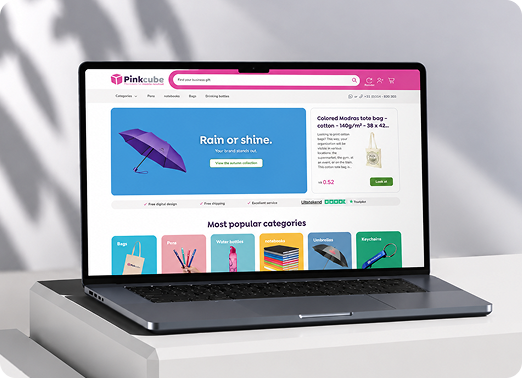
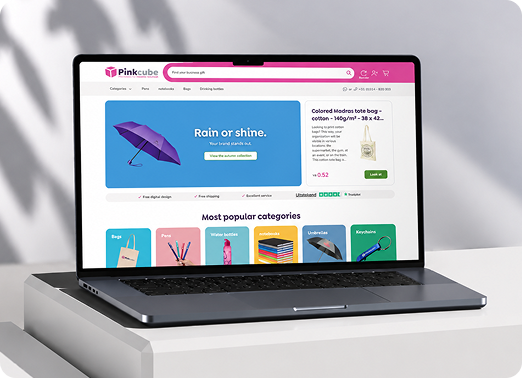
HubSpot Trengo to Service Hub Migration for an E-commerce Provider - Pinkcube.
TRAVEL & VISA
HubSpot Onboarding and Integration for a State-Owned Visa Company - Express Vietnam.
Search, aggregators, and corporate referrals bring demand in, with the source recorded at first touch. Most bookings start on a phone, often the same day.
Booking detail is captured once, then a confirmation sequence runs before pickup, not after. The pickup window is where utilisation is decided.
Vehicle class, extras, and branch instructions reach the counter without a phone call. Counter staff should not be chasing paperwork.
Post-rental follow-up and loyalty offers keep the next booking direct rather than through an aggregator.
A reminder at 72 and 24 hours before pickup, with a branch task if the booking is still unconfirmed. Anyone who confirms exits the reminder sequence.
A rebooking offer two hours after the pickup window, while the vehicle is still available. The recovery offer names the vehicle and the window.
A quarterly touchpoint with usage, spend, and any rate changes attached. Account reviews carry usage and spend.
A prompt when a return renter has not booked within twelve months. Upsell prices are stated plainly, never buried.
A larger class offered when availability allows, with the price difference stated plainly. Post-rental follow-up lands while the trip is fresh.
A thank-you after return, with a review request and a direct booking prompt. Idle vehicles raise a task, not a shrug.
A task to the branch when a location has idle vehicles and nearby demand.
Certified platform expertise, with a track record across travel agency workflows and fleet operations.
Built around your booking window, branch structure, and account process. No generic templates.
Multi-step workflows and conditional logic built for confirmation and recovery timing.
Clean imports from your rental platform or spreadsheets, with renter history intact.
An in-house team connecting HubSpot to your reservation, fleet, and payment systems.
Continuous refinement as locations and fleet change.
A rental company holds license data, payment detail, and sometimes damage records. The work is separation: license images stay in the rental system, card data stays with the payment provider, and the CRM carries the enquiry, the booking status, and the communication record.

Not every operator needs every hub, and most start with Sales and Marketing before adding Service.
Your acquisition engine: rate pages, location campaigns, and nurture aimed at renters booking within the week. Location campaigns run from the same enquiry record.
Built for the booking pipeline and the corporate account conversation, where rates and approvals decide the deal. Each booking carries an owner, a branch, and a pickup time.
Where pickup questions, extensions, and damage queries get tracked. Counter staff see the renter history before the keys. Here is how each one lines up with a utilisation-led rental business.
Powers the website and location content with built-in SEO, so branch pages stay findable. Location and fleet pages get edited without a developer.
Connects reservation, fleet, and payment systems, most valuable across several branches. Booking data stays matched. Booking data stays matched across branches instead of drifting.
Yes. It runs the demand side of the business: enquiry capture, booking confirmation, no-show recovery, corporate accounts, and loyalty, while the rental platform keeps fleet and contracts. Most operators see the difference within the first month of live workflows. The CRM carries coordination, not credentials.
Reminders go out at 72 and 24 hours, a branch task appears if the booking is still unconfirmed, and a rebooking offer goes out two hours after the pickup window. Show rate is tracked, so the improvement is measurable. Every workflow is tested before it reaches a renter.
Each account carries negotiated rates, locations, and usage history, so a branch sees the terms without calling the head office. The sequence is matched to the vehicle class and branch. Extensions are offered before the vehicle is due back.
A branch task raises when a location has idle cars and nearby demand, and a vehicle class upsell goes to renters whose booking allows it. Nothing is assumed native until the connector is confirmed. Branch utilisation is reported separately and in total.
License images stay in the rental system, access is role-based, and card detail stays with the payment provider. License images never enter the CRM.
Often through an API or middleware. Booking and fleet data cross over, and the sync direction is scoped first. That is how cost per rental becomes visible.
Yes. Locations, permissions, and utilisation reporting are configured per branch, with consolidated reporting for the group. We map which fields may hold license data before launch.
Most run four to eight weeks, depending on integrations and how much renter history needs migrating. License data stays in the rental system.
Ready to Fill More Vehicles With HubSpot?
A car is waiting on a booking that may never arrive, and a walk-up was turned away this morning. We build around your branches, your fleet, and the way your counter actually works. No generic setup, and no car left waiting on a booking that will not arrive. No generic setup, and no car left waiting.