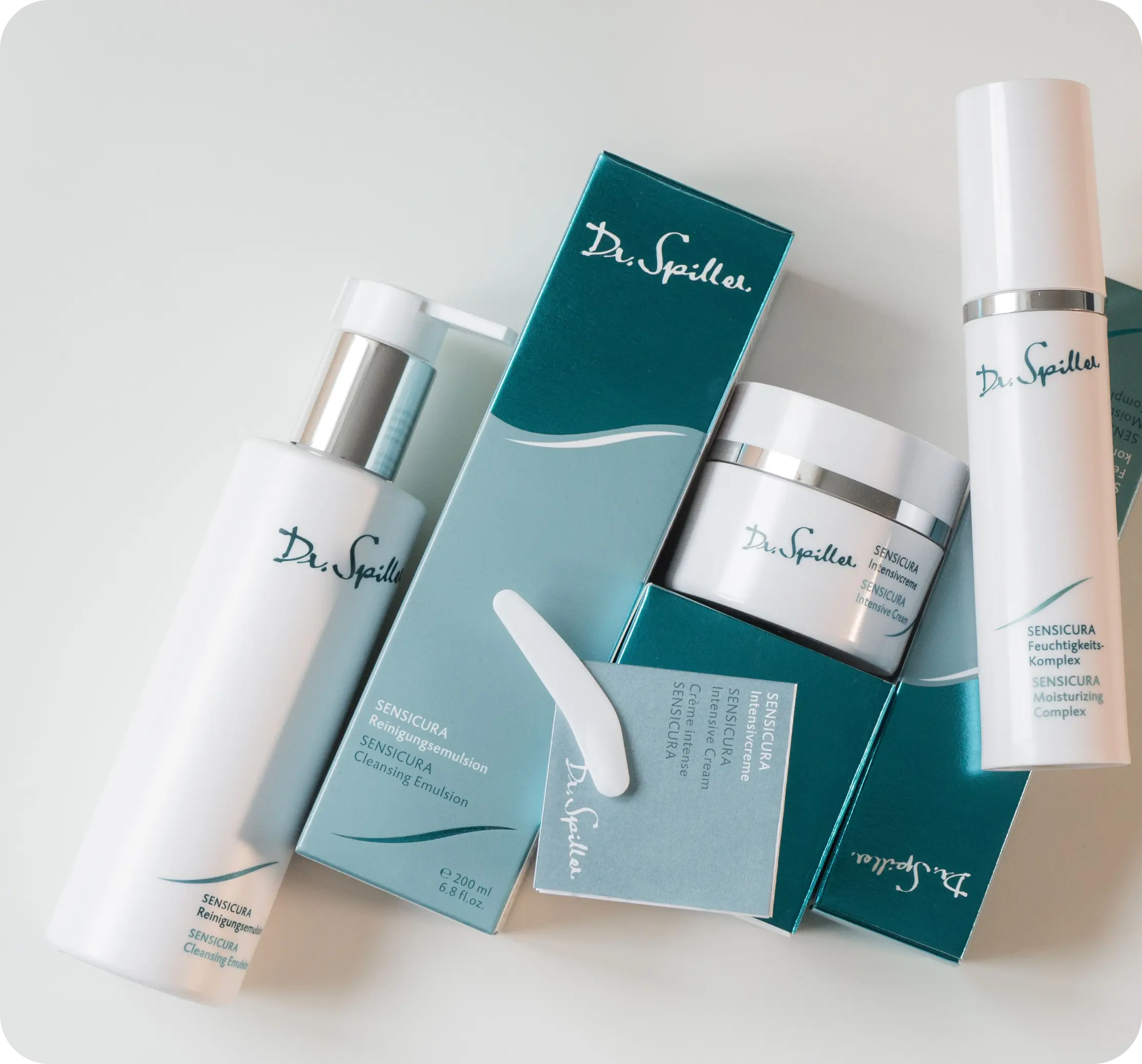



























Attract and Match
A quiz or a shade finder captures skin type and concern before the first order, with the source recorded.
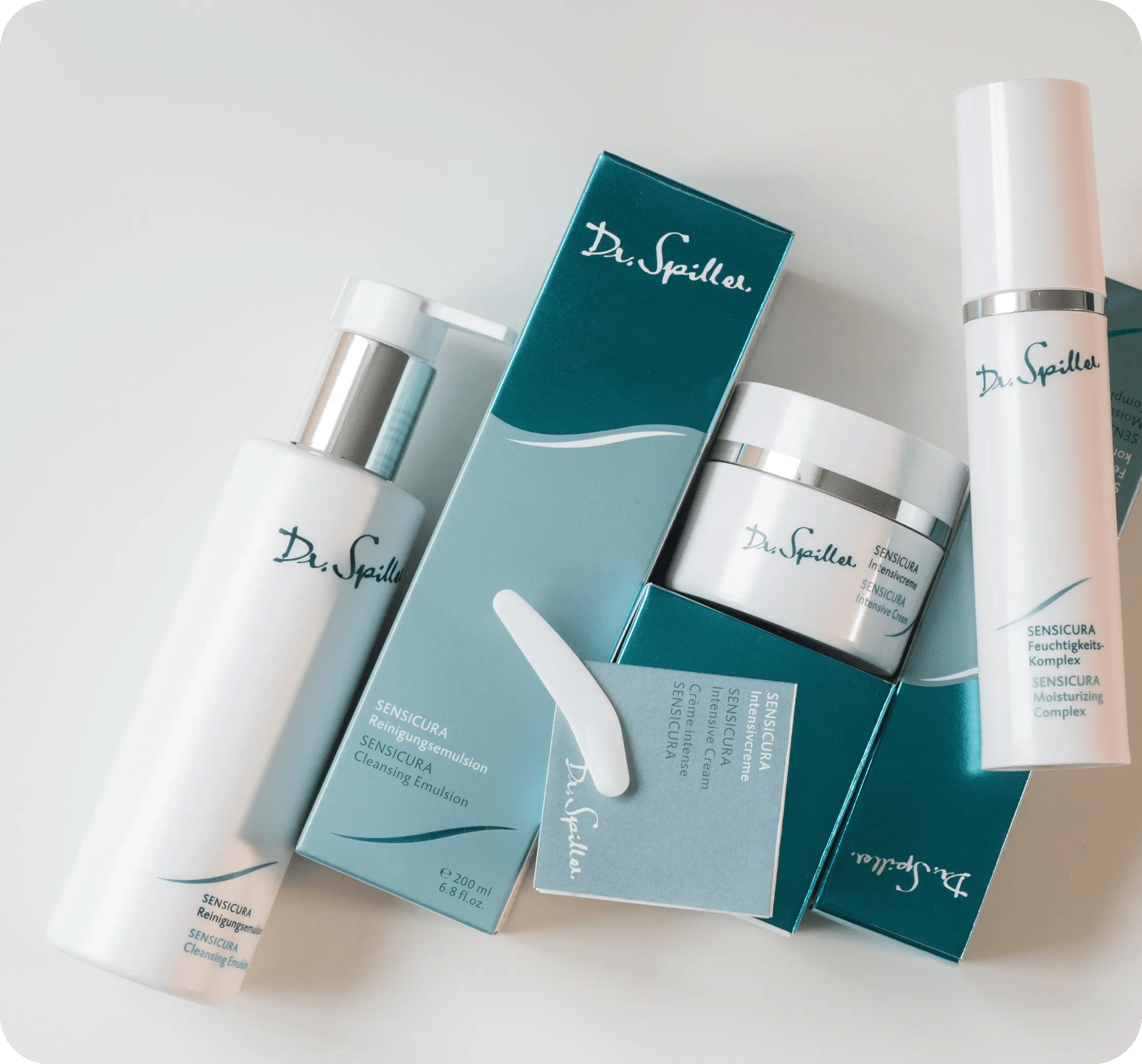
For cosmetics brands, most returns are not about the product. They are about the wrong shade or the wrong formula for someone's skin. HubSpot matches the buyer before checkout, predicts when the jar runs out, turning a repeat routine into the cheapest revenue, as paid reach gets costlier.
Teams that leveled up their growth with HubXpert
Shade and formula mismatches cause returns that never should have happened, and most stores collect that data too late to help. A jar that runs out in six weeks is a reminder waiting to be sent.
Skincare and cosmetics get used up at a steady pace, and most brands wait for the customer to think of reordering instead. Beauty buyers collect products, not transactions.
A cleanser buyer is a serum buyer six weeks later, and nobody is mapping what belongs together.
A shade review with a skin type attached outperforms any campaign, and most brands never connect the two.
A first purchase is a test, and the second is the one that turns a buyer into a routine.
Influencer codes, samples, and search all claim the same order, and none report the second one.
HubSpot for Beauty Brands covers five areas where a first order becomes a routine.
Skin type and shade on every customer.
Skin concern and shade family.
Product suggestions that fit. Segment by profile.
Shade and formula issues logged.
Based on product size.
At the right week, not a fixed month.
The next step in the same order.
Second purchase, by product.
Two weeks into use, not on delivery.
Shade and skin type on the record.
Proof rather than promises.
By product and by shade. A return.
Products per customer, tracked.
New shades before public launch.
A sample tied to the profile.
Twelve-month value, by cohort.
Source stored on every order.
Repeat rate by channel and product.
Retention, not clicks. A return.
A summary the team can act on.
A privacy-conscious setup with consent tracked per channel, and order, payment.
A curated selection of HubSpot implementations and digital marketing campaigns that moved the needle for our clients.
Ecommerce
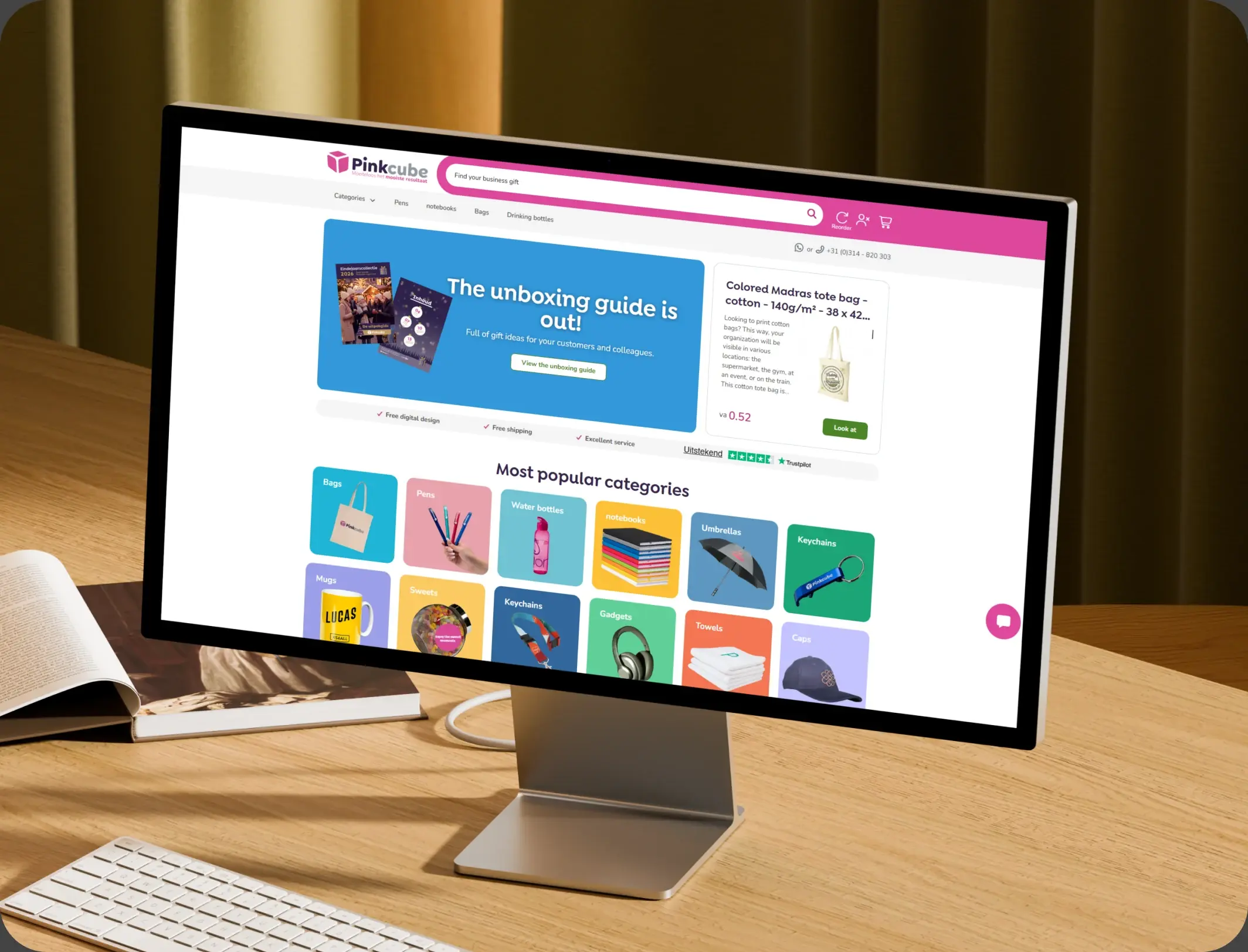
HubSpot Enterprise Onboarding and Custom Integration for a European B2B E-Commerce Giant
Ecommerce
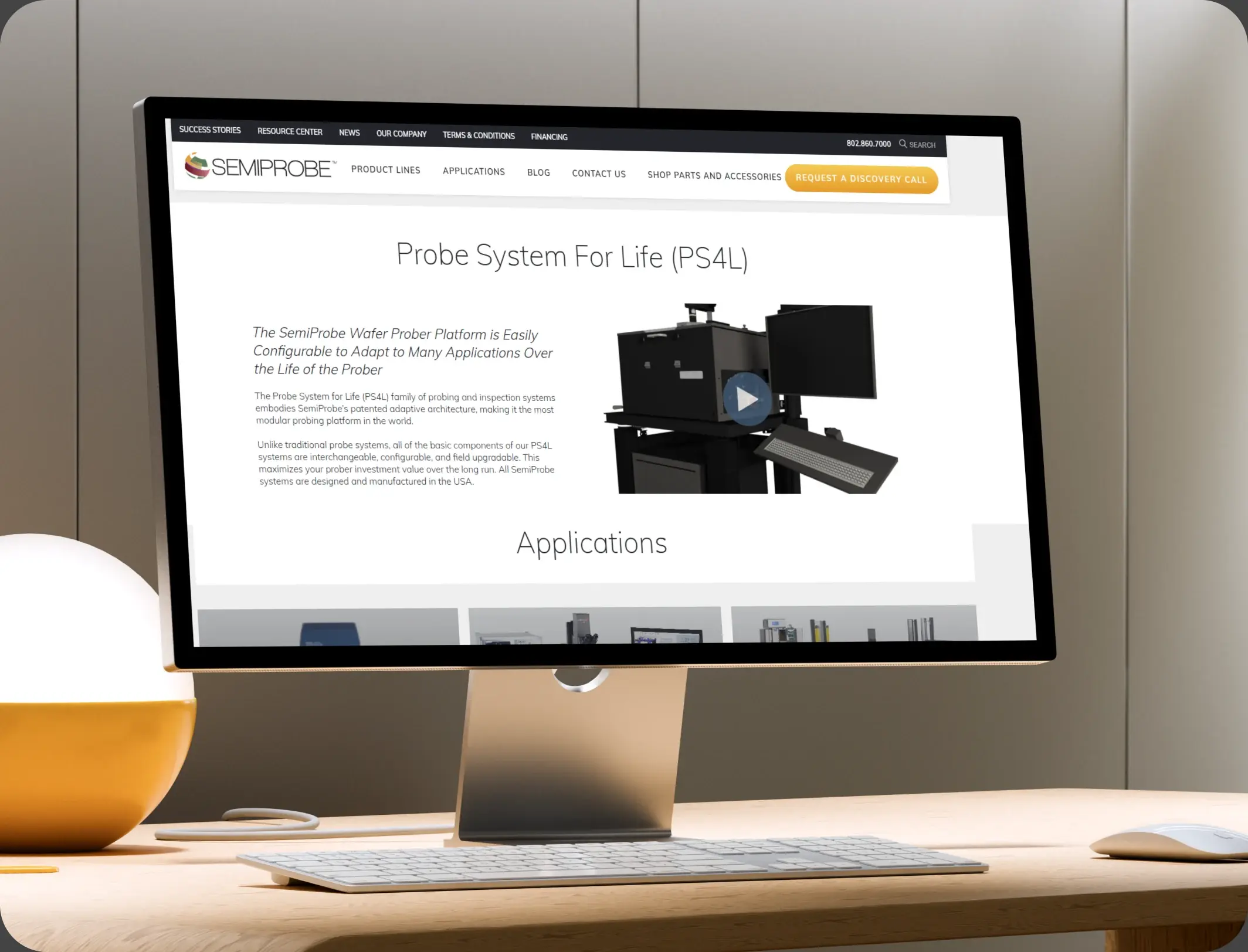
Onboarding Marketing Hub for 360° Marketing Automation and Sales Hub for 5+ team members
Ecommerce
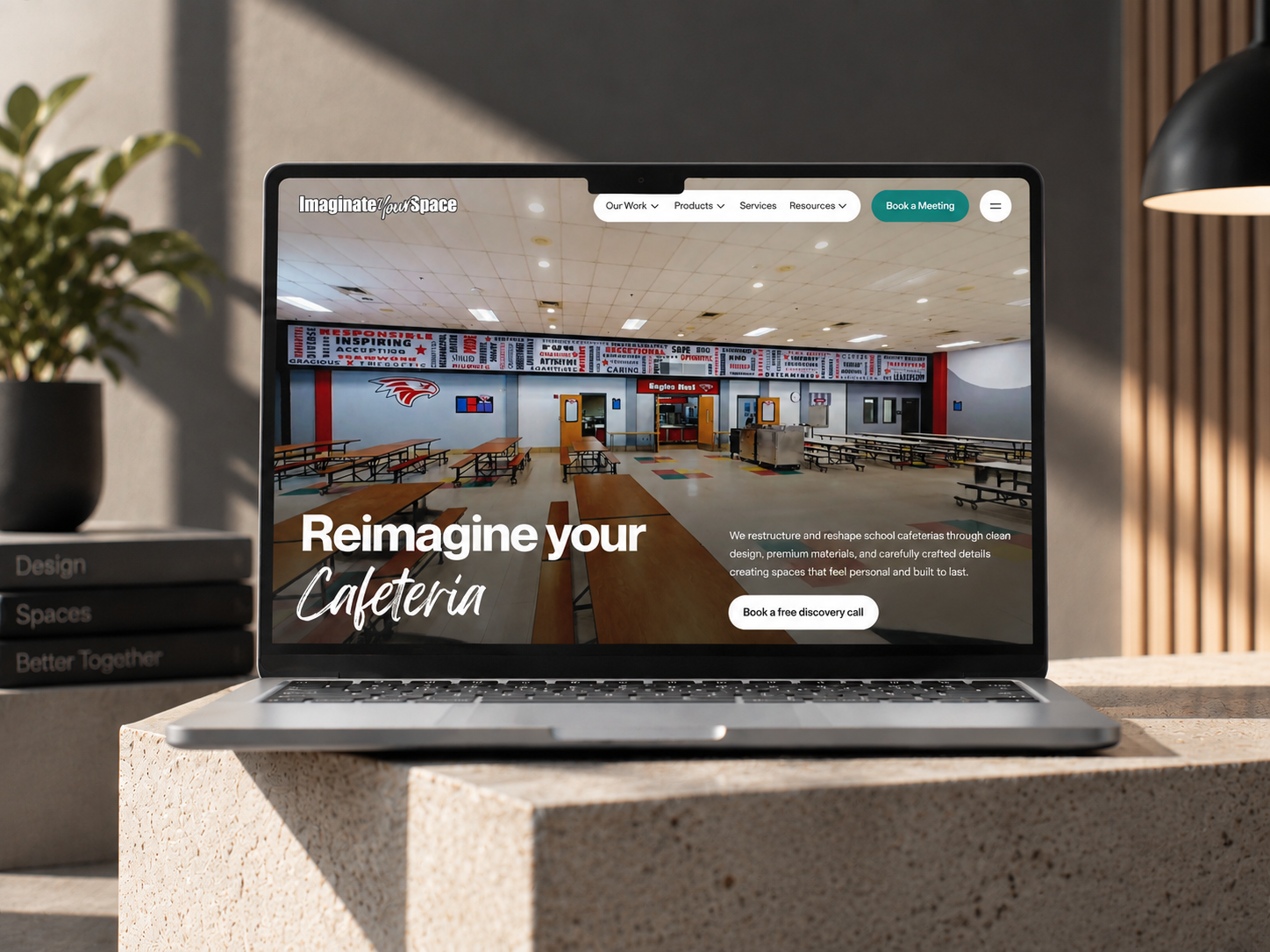
E-commerce Automation, HubSpot Integration, and Sales Optimization
A quiz or a shade finder captures skin type and concern before the first order, with the source recorded.
A welcome journey explains how to use the product and sets expectations for the first two weeks. The first two weeks decide whether the product suits the skin.
A run-out estimate drives the reminder, and the routine bundle goes out with it. Delivery is the moment the review request has the most value.
A review request at the right moment feeds the next campaign, and the routine grows by product rather than by discount.
A completed quiz writes the profile to the record and triggers a matched product sequence. A completed order starts the welcome journey.
A run-out estimate per product drives a message in the week before it empties. The reminder goes out in the week before the product empties.
The next step in the routine is offered alongside the replenishment, not instead of it. Every return carries a reason.
Sent two weeks into use, with the shade and skin type attached to the review. Reviews are requested two weeks into use.
A return asks for the reason, and shade mismatches go to the product team. High-routine customers never see the discount message.
A third product in six months moves the customer into a tier with early access. Creator performance is reported monthly.
Repeat rate by creator and channel, reported monthly. The profile writes to the record the moment the quiz ends.

Certified platform expertise, with a track record across ecommerce workflows and beauty brands. Quiz logic is mapped before a single sequence is built.
Built around your product sizes, routine logic, and shade data. No generic templates.
Multi-step workflows and conditional logic built for replenishment timing.
Clean imports from your storefront and quiz tool, with profile history intact.
An in-house team connecting HubSpot to your storefront, quiz platform, and fulfilment.
Repeat rate, return reasons, and replenishment conversion tracked from launch.
A beauty brand holds profile data, purchase history, and consent that differs by channel and by region. The work is precision: consent recorded per channel, order and payment detail left in the systems that own them, and claims about results kept within what the product can support. Claims are reviewed before they run.
Not every brand needs every hub, and most start with Marketing before adding Service. Here is how each one lines up with a routine-driven business.
Your retention engine: replenishment, routine bundles, and profile segmentation. Replenishment sequences run from the same record as the order.
Built for retail and wholesale enquiries. Wholesale enquiries carry an owner and a response window. Most brands start with Marketing, then add Service as returns grow.
Where returns, shade questions, and delivery issues get tracked. Service sees the order history before replying. Most brands start with Marketing, then add Service as returns grow.
Powers routine guides and ingredient pages with built-in SEO, where most beauty research starts. Routine and ingredient pages get edited without a developer.
Connects the storefront, quiz platform, and fulfilment, which is how profiles stay accurate. Profile data stays matched across the store and the support desk.
Yes. It runs the relationship around the product: shade profiles, replenishment timing, reviews, and loyalty, while the storefront handles the transaction. Most brands see the difference in the first quarter. The CRM carries the routine, not the transaction. Most brands see the difference in the first quarter.
Quiz responses and shade data sit on the record, so recommendations match the buyer, and return reasons are logged for the product team. Repeat rate is tracked, so the improvement is measurable. Every workflow is tested before it reaches a buyer.
Product size and typical usage produce a run-out estimate, and the reminder goes out in the week before it empties rather than on a fixed date. The sequence is matched to the product and the profile. Suppression lists are agreed before the first campaign.
Reviews are requested two weeks into use, with the shade and skin type attached, and the strongest ones feed the next campaign. Nothing is assumed native until the connector is confirmed. Replenishment timing is set per product, not per brand.
Routine depth decides the tier, and early access is the reward rather than a discount that trains customers to wait. Order detail never sits in the CRM.
Order and payment detail stay in the systems that own them, profile data follows the consent given, and access follows the role. That is how cost per repeat order becomes visible.
Repeat rate by creator and channel is reported monthly, which is a more useful measure than clicks or first orders. We map which fields may hold profile data before launch.
Most run four to six weeks, depending on integrations and how much order history needs migrating. Order history stays in the storefront.
Ready to Sell the Routine, Not the Bottle?
A jar is two weeks from empty, a return came back as the wrong shade, and nobody recorded why. We build around your products, your profiles, and your replenishment cycle. No generic setup, and no routine left to lapse. Measured against your own churn data.