









HubSpot for Apparel Brands: When Returns Spike, Retention Starts

For fashion brands, most apparel returns are not about the style. They are about a size that was never going to fit. HubSpot records fit on every order, times the next campaign to the drop rather than a replenishment calendar, and turns one purchase into a customer watching for the next collection.

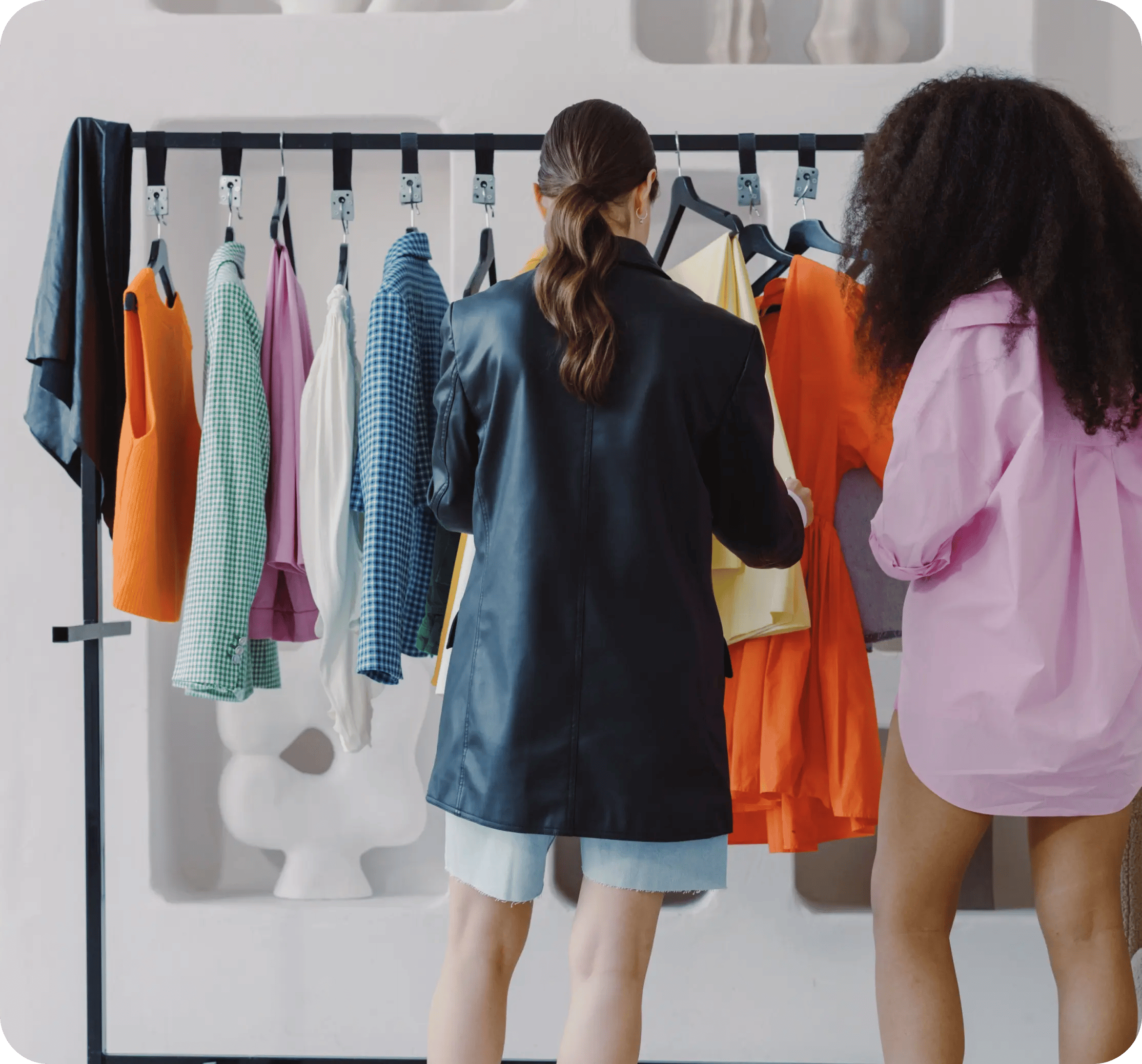
two women browsing clothes on a wall-mounted garment rack

Teams that leveled up their growth with HubXpert

Company logo (3)
Company logo (2)-1
Company logo (1)-1
Company logo-1
Icon Group 1-1
Company logo (4)-1
Company logo (3)
Company logo (2)-1
Company logo (1)-1
Company logo-1
Icon Group 1-1
Company logo (4)-1
The Reason

Why Fashion Brands Need More Than a Storefront

Your storefront processes the sale. It was never built to know someone's fit before checkout or to time marketing to a collection instead of a reorder date.

Fit Uncertainty Drives Returns

Shoppers order three sizes expecting to return two, and fit rather than style is the biggest driver of apparel returns. Drops create urgency, and urgency is what a replenishment calendar cannot imitate.

Repeat Purchase Follows Drops

Customers do not run out of clothes. They come back for a new collection, a style gap, or a reason to shop again. An exchange keeps the customer and the revenue in the same transaction.

Returns Are the Second Sale

An exchange handled well keeps the revenue, and a refund handled slowly loses the customer along with the margin. Return reasons by style are the cheapest product research a brand gets.

Seasonal Timing Is Everything

A campaign that lands two weeks after the drop has already missed the demand it was built for.

Size Data Rarely Returns

Fit information is collected at checkout and never used again, so the next recommendation starts from nothing.

Attribution Ignores the Collection

Paid social gets credit for the order, and nobody knows which drop produced customers who bought twice.

Benefits

Key Benefits of HubSpot for Apparel Brands

HubSpot for Apparel Brands covers five areas where fit and timing decide whether a buyer comes back.

Capture Fit at Purchase

Use size and fit history to recommend with confidence. An exchange.

  • Track size purchased

    Size and fit on every order.

  • Segment by fit profile

    Size pattern and brand fit.

  • Personalize size

    Relevant sizing on the product page.

  • Track return reasons

    Fit issues logged by style.

Built for customer data.

A consent-aware setup with per-channel tracking, and order, payment.

  • 36% More deals closed
  • 37% Faster ticket resolution
Case Studies

Our Featured Works

A curated selection of HubSpot implementations and digital marketing campaigns that moved the needle for our clients.

Ecommerce

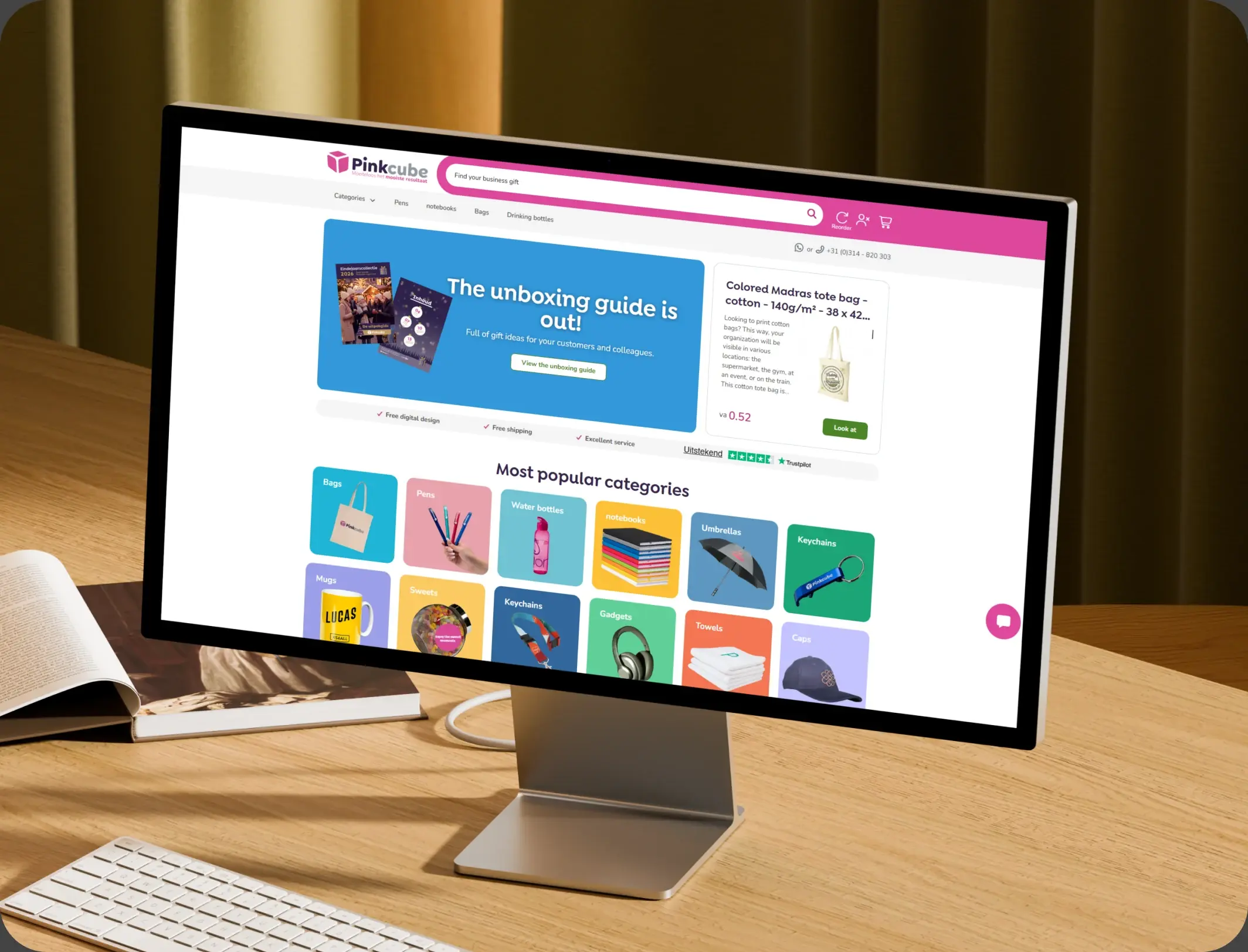
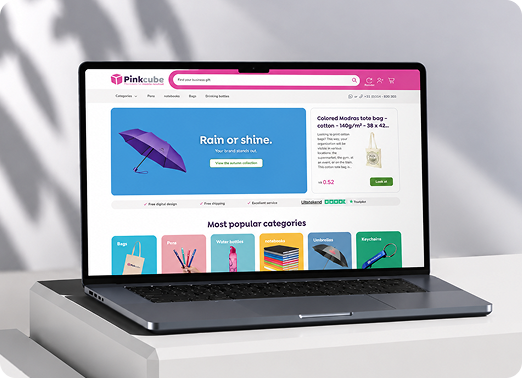
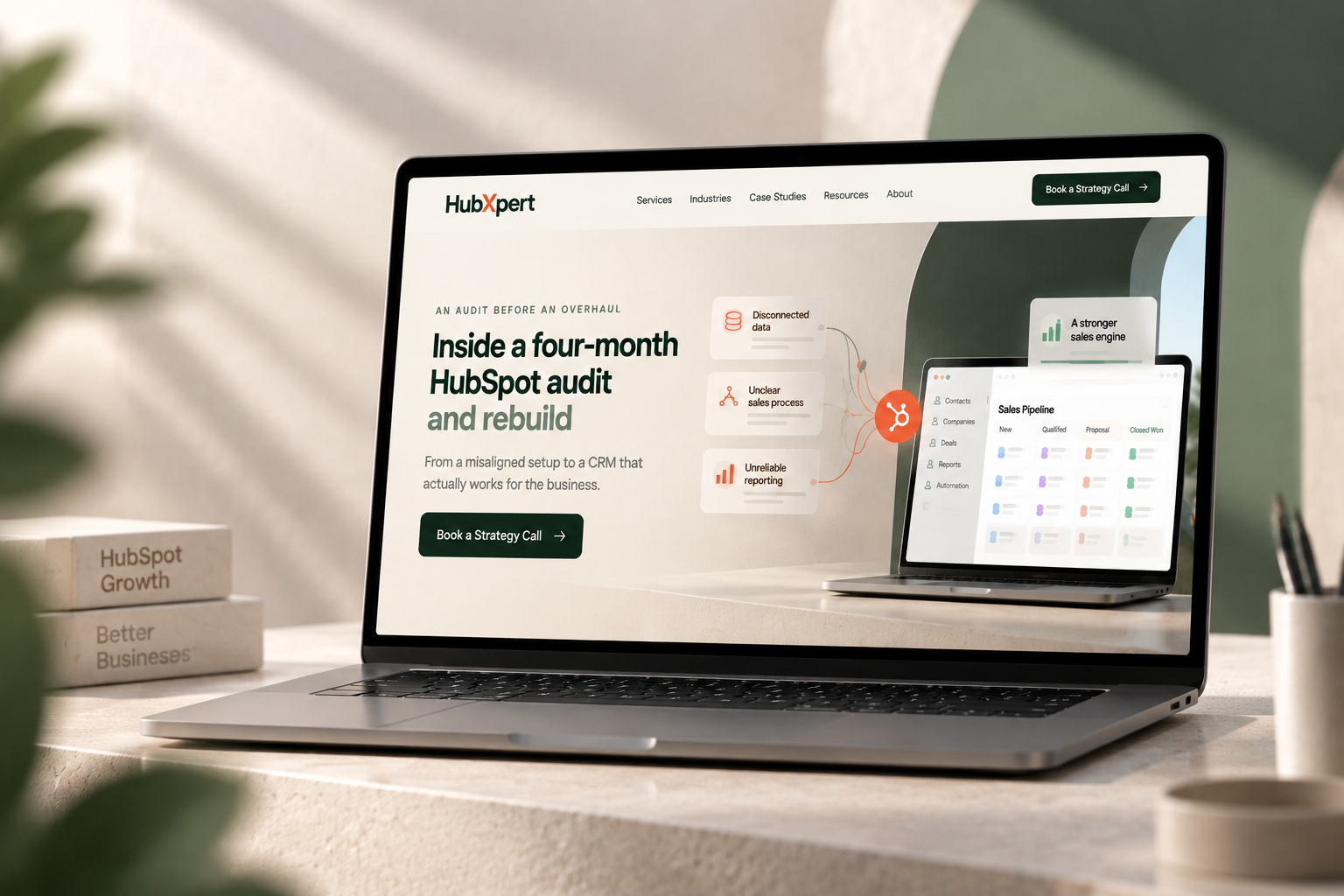
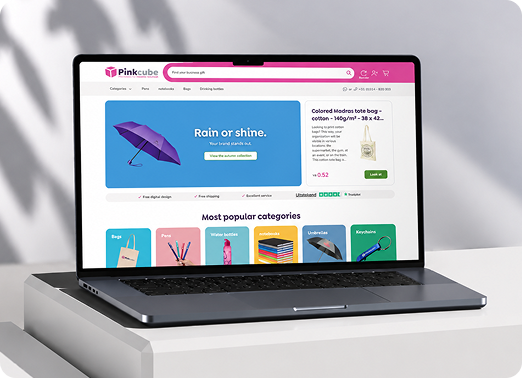
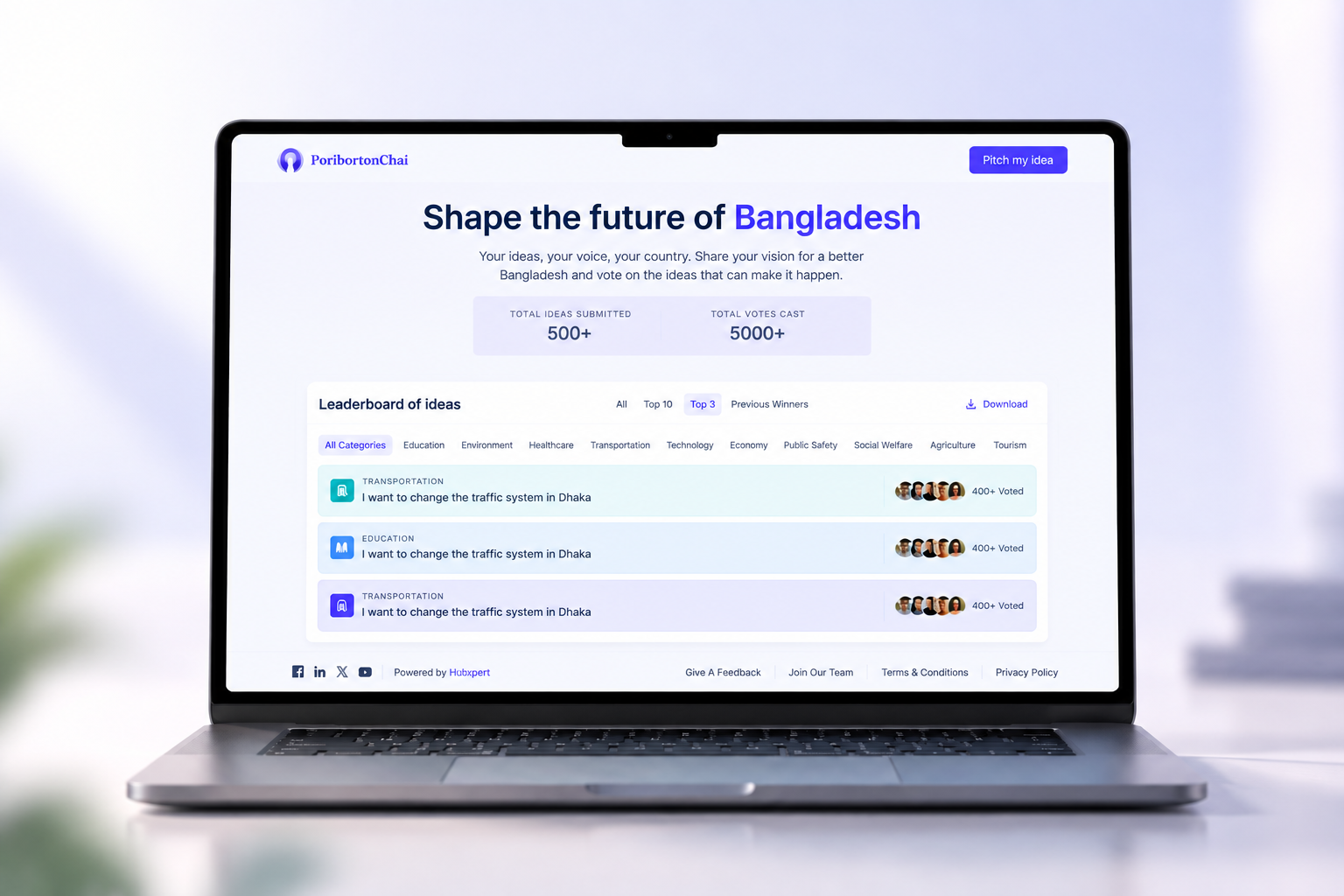
How Pinkcube boosted sales by 30% with custom automation

HubSpot Enterprise Onboarding and Custom Integration for a European B2B E-Commerce Giant

Pinkcube
Pinkcube – How Pinkcube boosted sales by 30% with custom automation

Ecommerce

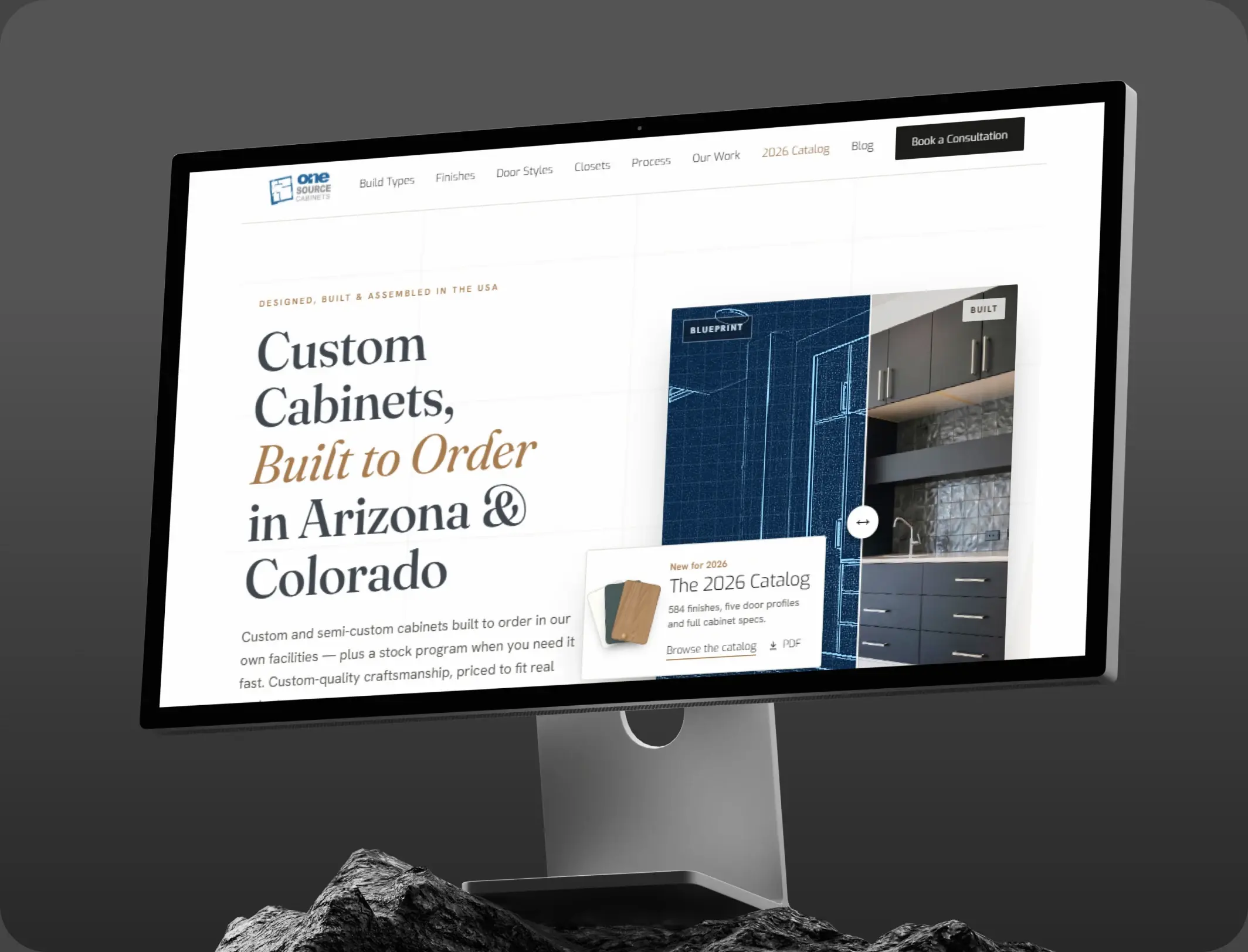
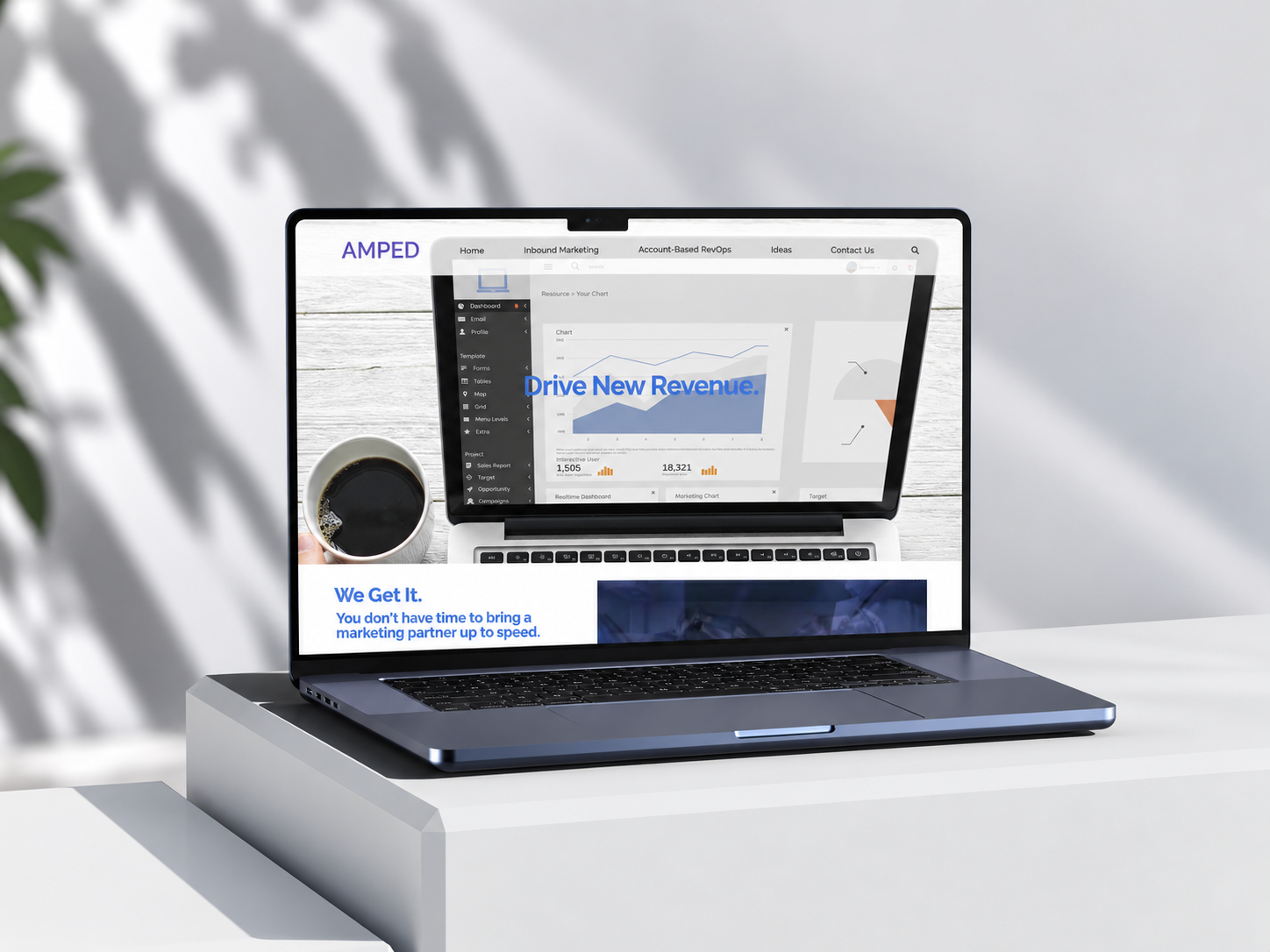
HubSpot Marketing Hub Onboarding for One Source Cabinets

Onboarding Marketing Hub for 360° Marketing Automation and Sales Hub for 5+ team members

One Source Cabinets
One Source Cabinets – HubSpot Marketing Hub Onboarding for One Source Cabinets

Ecommerce

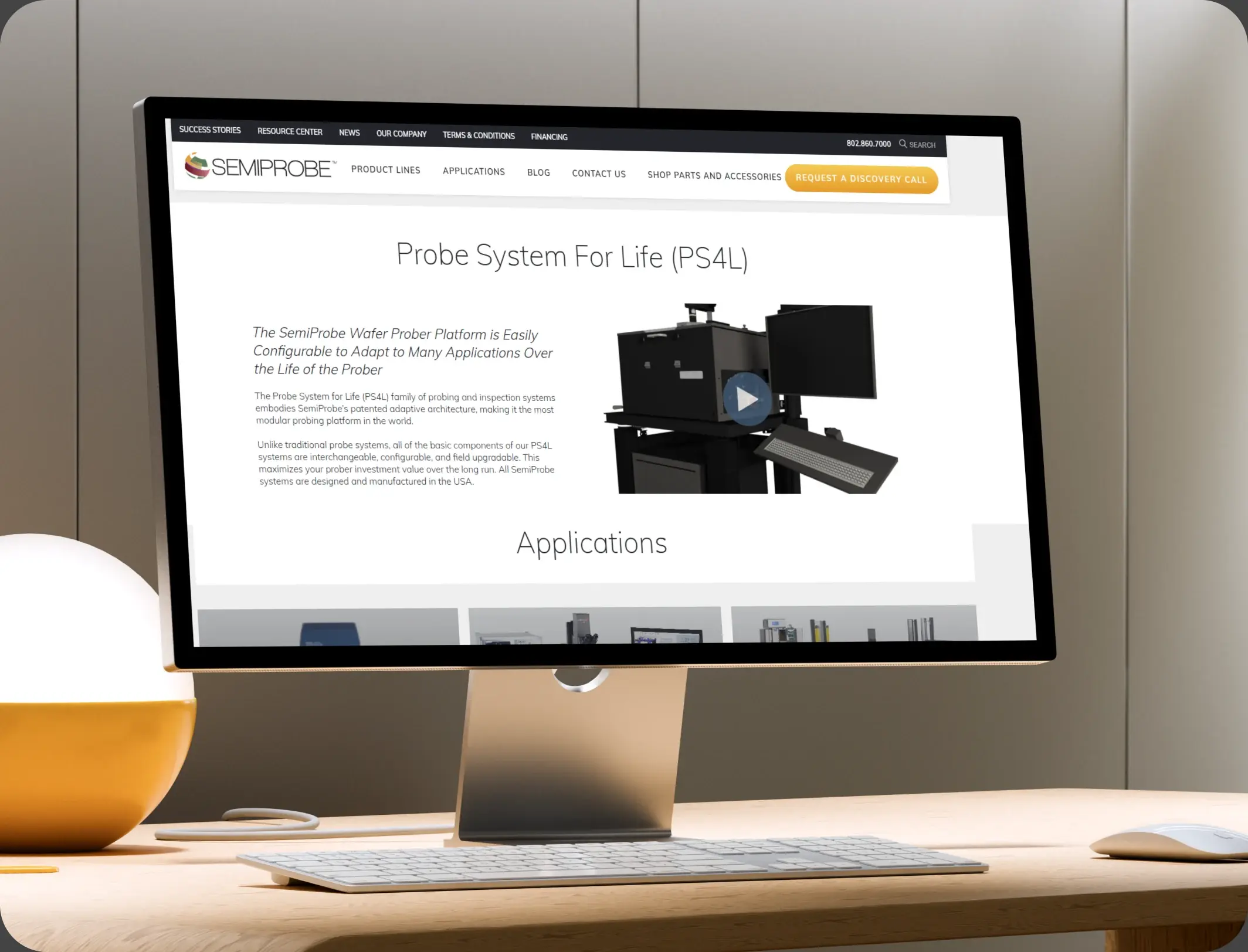
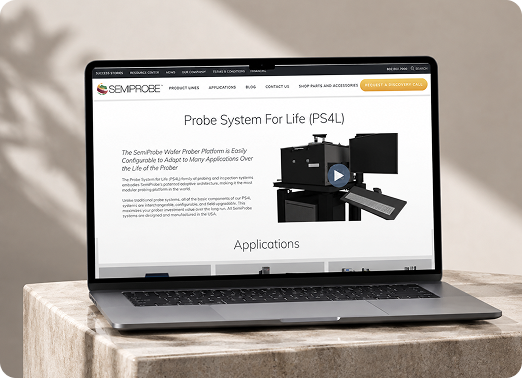
SemiProbe’s WooCommerce & HubSpot Integration

E-commerce Automation, HubSpot Integration, and Sales Optimization

Semiprobe
Semiprobe – SemiProbe’s WooCommerce & HubSpot Integration
HubSpot Usage

How Apparel Brands Use HubSpot From Drop to Repeat Purchase

Step 1

Tease and Launch

The list hears about a drop before it goes public, with waitlists capturing demand when a size sells out. Most orders arrive in the first forty-eight hours of a drop.

Step 2

Fit and Convert

Size guidance drawn from the fit profile reduces the guesswork before checkout. The size decision is made before the product page loads.

Step 3

Deliver and Exchange

A return opens an exchange offer with the right size suggested, and the reason is logged against the style. Returns peak two weeks after delivery.

Step 4

Style the Next Drop

Styling content and gap detection bring the customer back for the next collection. The second purchase usually follows the next collection.

Workflow & Triggers

Example Apparel Workflows We Can Automate in HubSpot

These are the workflows we build most often when we set up HubSpot for Apparel Brands, tuned to a calendar of drops rather than a reorder cycle. The list hears about the drop before the public does.
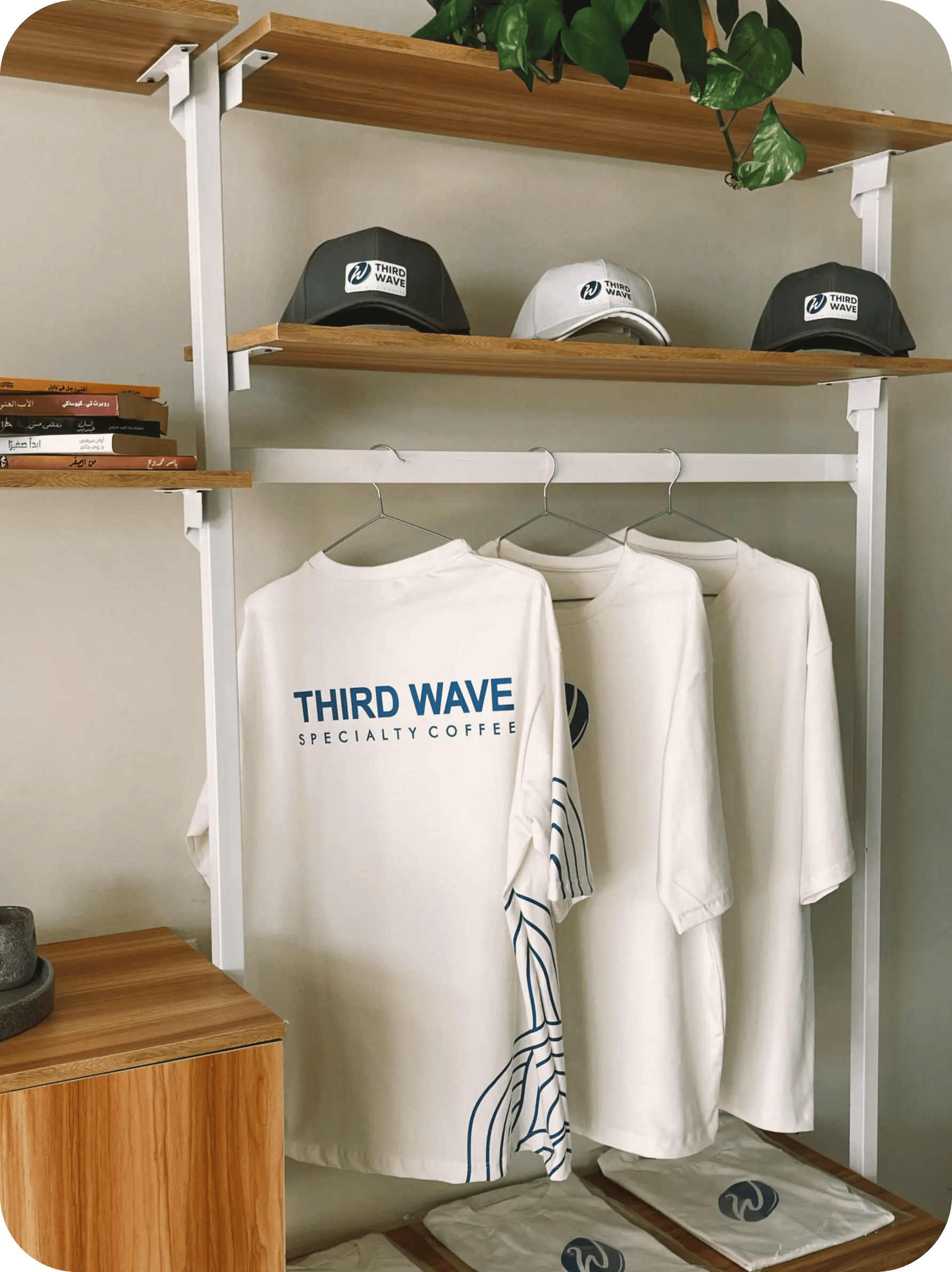
white t-shirts and caps hanging on wooden retail shelves
  1. Drop Early Access

    A message to past buyers forty-eight hours before launch, then to the full list. A sold-out size creates a waitlist record automatically.

  2. Waitlist Alert

    A sold-out size raises a waitlist record, and the customer hears the moment it returns. Every return carries a reason and a style.

  3. Exchange Offer

    A return request triggers the right size suggestion and a prepaid exchange link. Exchanges are offered before a refund is processed.

  4. Fit Feedback Loop

    Return reasons by style feed a monthly note to the product team. Styling content goes out four days after delivery.

  5. Post-Purchase Styling

    Three ways to wear it, sent four days after delivery. Repeat returners get a size conversation, not a block.

  6. Next Drop Invitation

    Customers who bought the last collection hear about the next one first. Fit feedback reaches the product team monthly.

  7. Repeat Returner Check

    A third return in six months raises a size conversation rather than a block. The list hears about the drop before the public does.

Why HubXpert

Why Choose HubXpert for HubSpot Apparel Builds?

Apparel brands come to us because the drop calendar sets the pace and the returns decide the margin. It also sets the reporting the team will read each week.

HubSpot Platinum Partner

Certified platform expertise, with a track record across ecommerce workflows and fashion brands. Drop calendars are mapped before a sequence is built.

Custom Apparel Workflows

Built around your drops, size range, and return policy. No generic templates.

Advanced Automation

Multi-step workflows and conditional logic built for seasonal timing.

Data Migration and Structuring

Clean imports from your storefront and returns platform, with order history intact.

Integration and API Development

An in-house team connecting HubSpot to your storefront, returns portal, and fulfilment.

Reporting and Optimization

Return reasons, exchange rate, and repeat purchase tracked from launch.

Compliance

Consent-Aware Setup Inside HubSpot for Apparel Brands

An apparel brand holds order history, addresses, and marketing consent that differs by channel and region. The work is precision: consent recorded per channel, order and payment detail left where it belongs, and return reasons reported without personal detail attached. Consent given at checkout does not cover every channel.

  • Consent Per Channel
  • Order Data Separation
  • Suppression Lists
  • Retention Rules
Secure data lock
HubSpot Hubs

HubSpot Hubs Recommended for Apparel Brands

Not every brand needs every hub, and most start with Marketing before adding Service. Here is how each one lines up with a drop-led business.

  • Marketing Hub

    Your drop engine: early access, waitlists, and styling sequences. Drop sequences run from the same record as the order.

  • Sales Hub

    Built for wholesale and stockist enquiries. Wholesale enquiries carry an owner and a response window.

  • Service Hub

    Where returns, exchanges, and delivery questions get tracked. Service sees the order history before replying. Most brands start with Marketing, then add Service as returns grow.

  • Content Hub

    Powers lookbooks and fit guides with built-in SEO, where most style research starts. Lookbook and fit pages get edited without a developer. Most brands start with Marketing, then add Service as returns grow.

  • Operations Hub

    Connects the storefront, returns portal, and fulfilment, which is how exchange data stays accurate. One record links the drop, the order, and the exchange.

Our Process

Our Process for Implementing HubSpot for Apparel Brands

Step 1.

Discovery and Drop Analysis

We assess your drop calendar, size range, return profile, and growth goals, and identify where buyers currently disappear. It also sets the reporting the team will read each week.
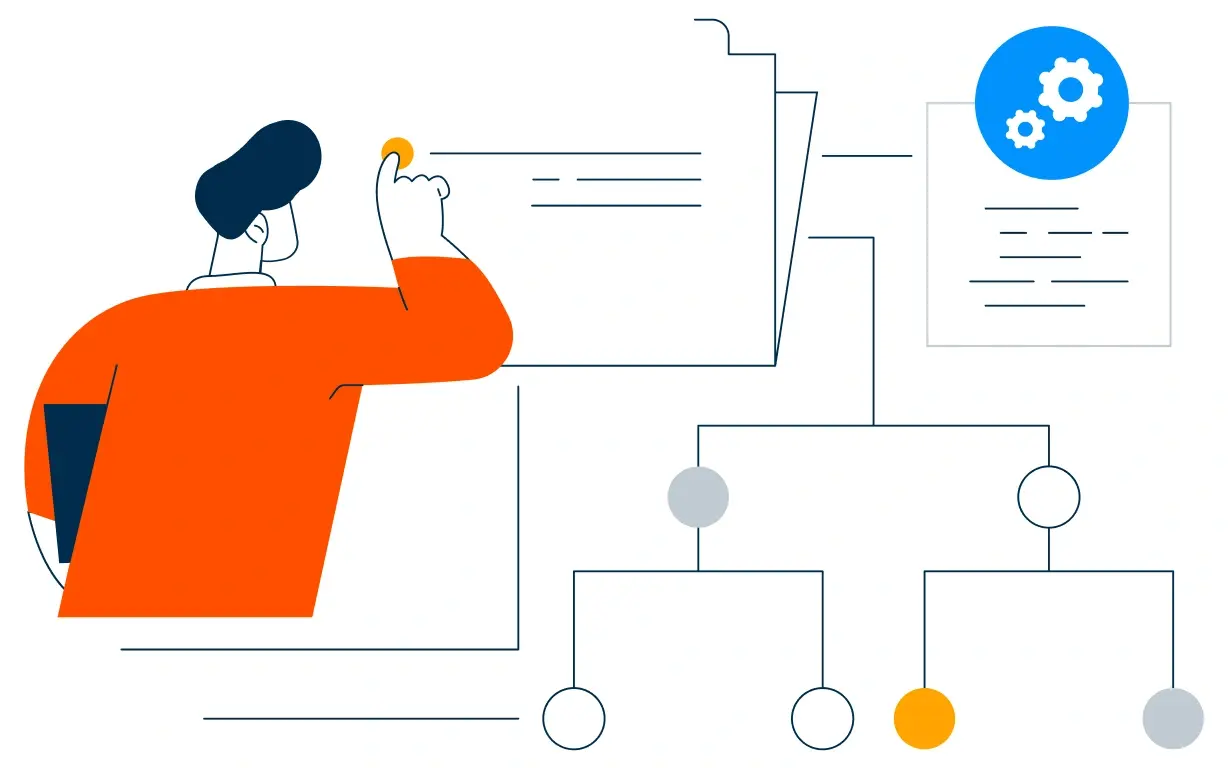
Discovery and Drop Analysis illustration
Step 2.

CRM Architecture and Lifecycle Planning

Custom properties, fit fields, and lifecycle stages mapped to how customers actually buy again, before any build begins. Stages mirror how a drop becomes a repeat customer.
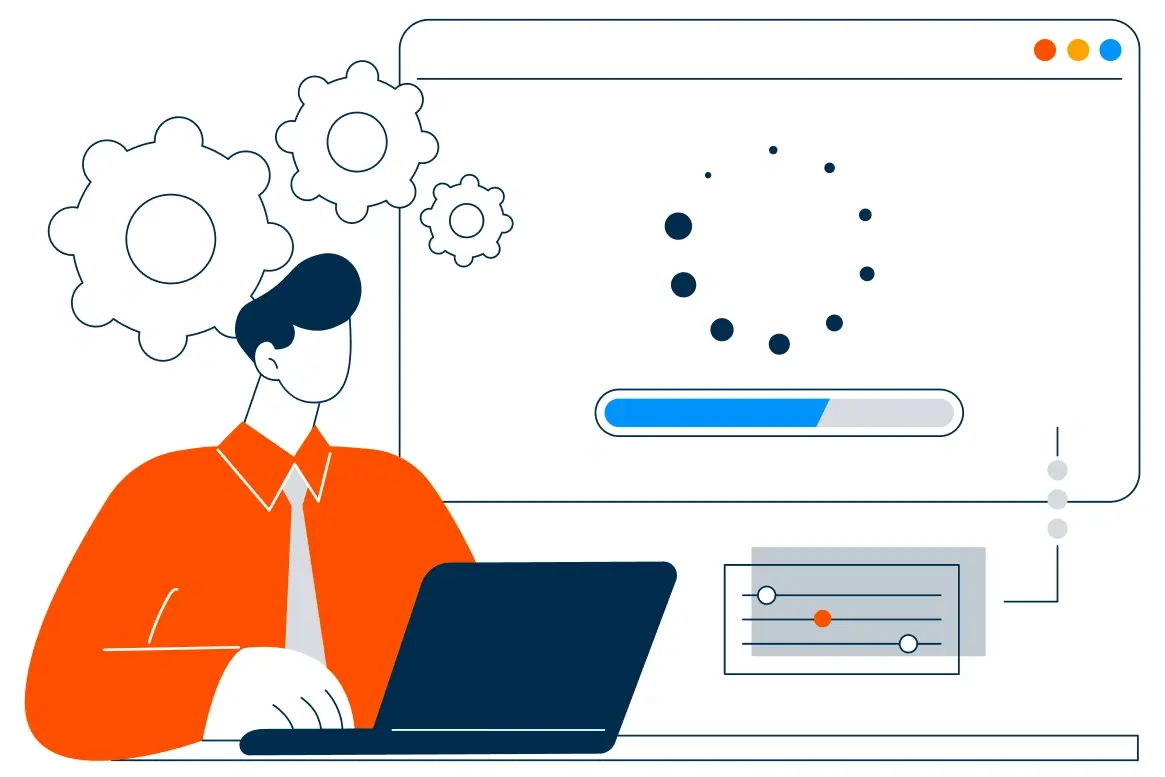
CRM Architecture and Lifecycle Planning illustration
Step 3.

Automation and Integration Setup

Workflows built, storefront and returns integrations connected, sequences configured, and dashboards created. Every automation is tested before launch.
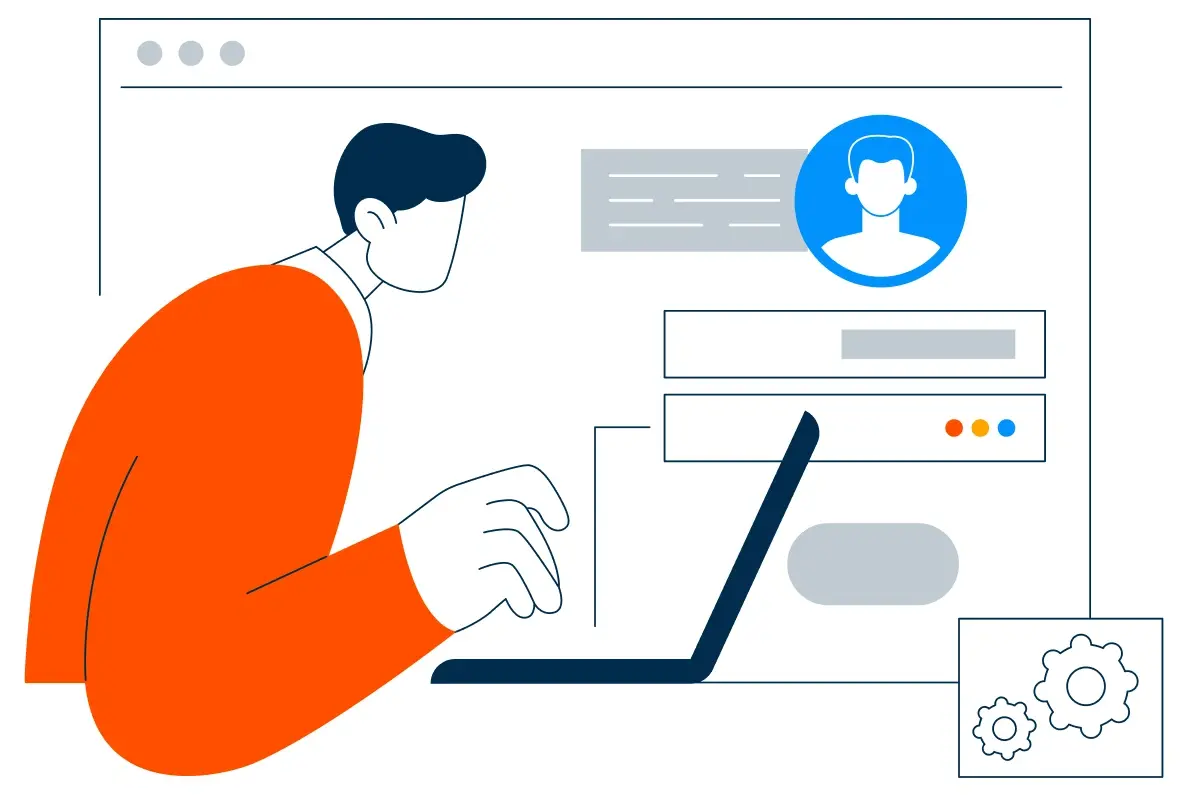
Automation and Integration Setup illustration
Step 4.

Team Training and Adoption

Hands-on training for marketing, ecommerce, and support, each on the tools their role needs.
Team Training and Adoption illustration
Step 5.

Reporting and Optimization

Once live, we monitor return reasons and repeat rate, and refine workflows, timing, and content each drop.
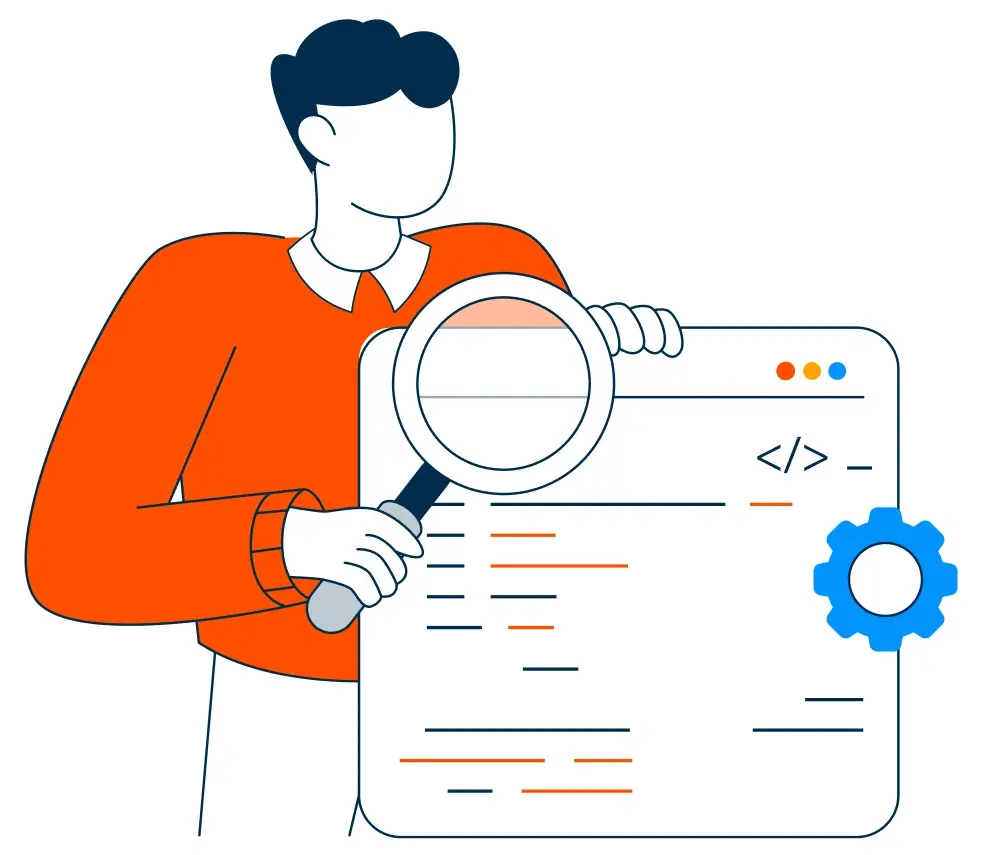
Reporting and Optimization illustration
FAQ

Questions You Might Have

Does HubSpot work for apparel brands?

Yes. It runs the customer side of a drop calendar: early access, fit guidance, exchanges, and repeat purchase, while the storefront handles the transaction. Most brands see the difference in the first two drops. The CRM carries the fit, not the transaction. Most brands see the difference in the first two drops.

Can HubSpot reduce returns?

Fit data from past orders drives size guidance before checkout, and return reasons are logged by style so the product team sees the pattern. Return reasons are tracked, so the improvement is measurable. Every workflow is tested before it reaches a buyer. Return reasons are tracked, so the improvement is measurable.

Can HubSpot handle exchanges?

A return request triggers the right size suggestion and a prepaid exchange link, which keeps the revenue instead of refunding it. The sequence is matched to the drop and the fit profile. Suppression lists are agreed before the first campaign. The sequence is matched to the drop and the fit profile.

How does drop timing work?

Past buyers hear first, forty-eight hours before launch, and waitlists capture demand when a size sells out. Nothing is assumed native until the connector is confirmed. Drop timing is set to the calendar, not a default.

Can HubSpot grow repeat purchase?

Styling content, gap detection, and early access give the customer a reason to return before the season changes. Order detail never sits in the CRM.

Can HubSpot measure creator performance?

Sell-through and repeat rate by creator are reported weekly, which is a better measure than clicks or impressions. That is how cost per repeat order becomes visible.

How do you handle order data?

Order and payment detail stay in the systems that own them, and the CRM carries fit, lifecycle, and the conversation. We map which fields may hold customer data before launch.

How long does an implementation take?

Most run four to six weeks, depending on integrations and how much order history needs migrating. Order history stays in the storefront.

Book Consultation

Ready to Make the Next Drop Sell Through?

A customer ordered two sizes and returned one, the next drop goes live on Thursday, and nobody knows which channel sold the last collection. We build around your drops, your fit data, and your returns. No generic setup, and no drop left to sell out quietly.

Takes 30 minutes
Delivered by certified HubSpot experts
The first two drops are measured against your own returns data

Ratul-Rahman