













Attract Charter Demand
Search, broker relationships, and referrals bring requests in, with the source recorded at first touch. Most requests arrive by phone or broker platform.
A private jet charter quote that takes an hour loses to the operator who answered in ten minutes. HubSpot helps air charter companies respond to trip requests faster, keep sales, dispatch, and client services on one record, and fill empty legs instead of flying them empty at a loss.

Teams that leveled up their growth with HubXpert
Trip requests arrive by phone, email, broker platforms, and the website, then get retyped between whoever quotes the flight and dispatch confirming aircraft availability. One slow handoff and the client books with the operator who answered first.
Scheduling software handles tail assignments, crew duty, and flight logs well. It was never built for nurture, jet card renewals, or showing which channel brings clients who book.
A large share of charters arrives through brokers, and without a shared record the relationship resets every time an account manager changes.
An aircraft repositioning with six empty seats is pure margin if the right client hears about it in time, and a deadhead if nobody does.
A card holder expects priority and a familiar contact. Without history, the renewal conversation starts from zero.
Brokers, paid search, and referrals all claim the same charter. Without attribution, sales effort goes to whoever shouts loudest.
HubSpot for Air Charter Companies covers five areas where an operator can win quotes faster.
Phone, email, brokers.
Aircraft category, route, frequency.
Stay engaged while they compare aircraft.
See which brokers and campaigns produce charters.
Requests assigned by departure window.
Trip detail captured once and shared.
See where the response slows down.
A defined sequence for unbooked quotes.
Routes, aircraft, and preferences on one record.
Notice before a card lapses.
A task when a regular stops flying.
Revenue per client, not per flight.
Only clients who fly that sector hear about it.
A short window, honestly stated.
See which legs actually sell.
Frequency capped per client.
Source stored on every request.
Volume and margin, not just volume.
Judged on charters, not clicks.
A summary leadership can act on.
A privacy-conscious setup with role-based access, and passenger identification.
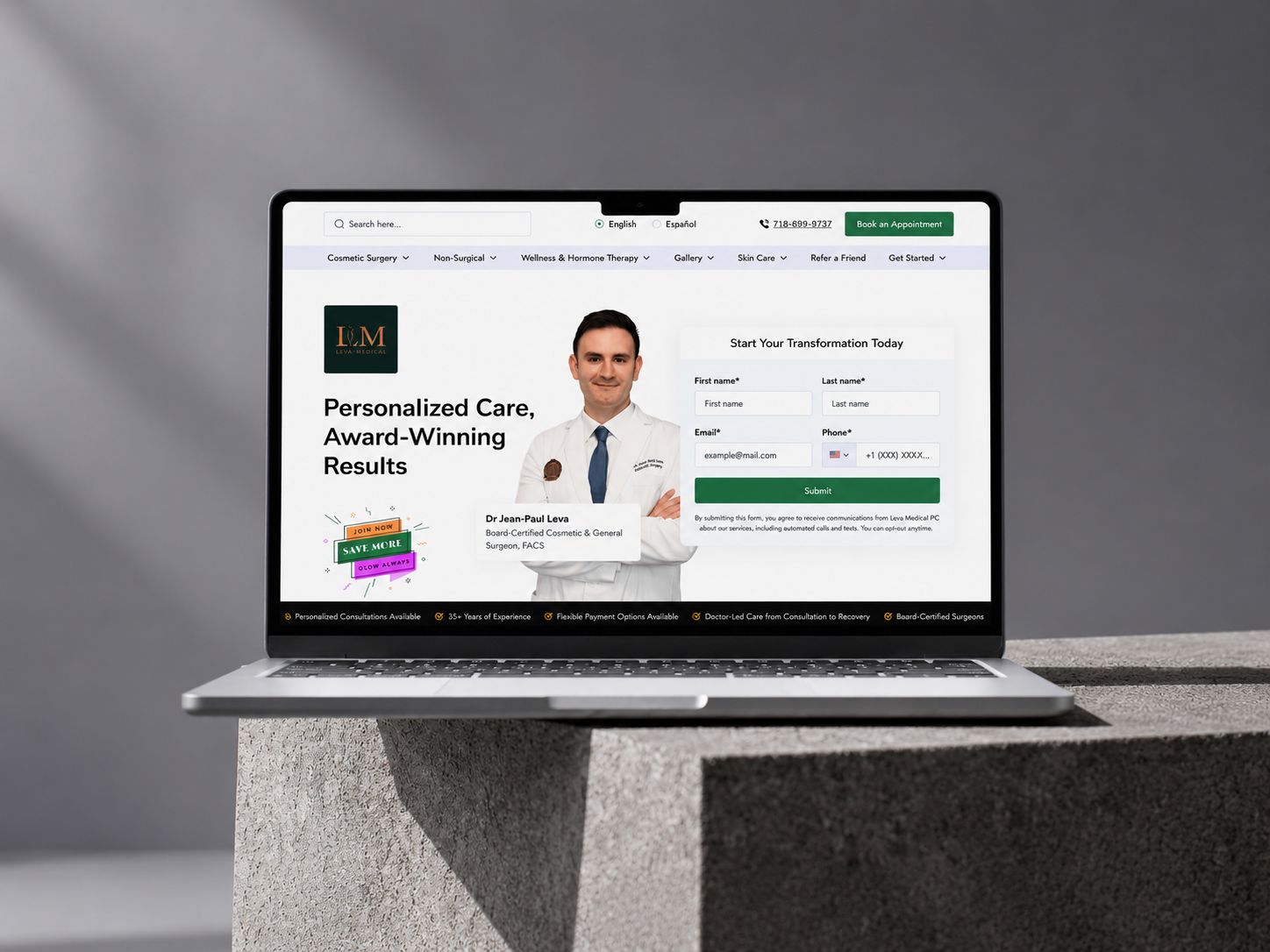
A curated selection of HubSpot implementations and digital marketing campaigns that moved the needle for our clients.
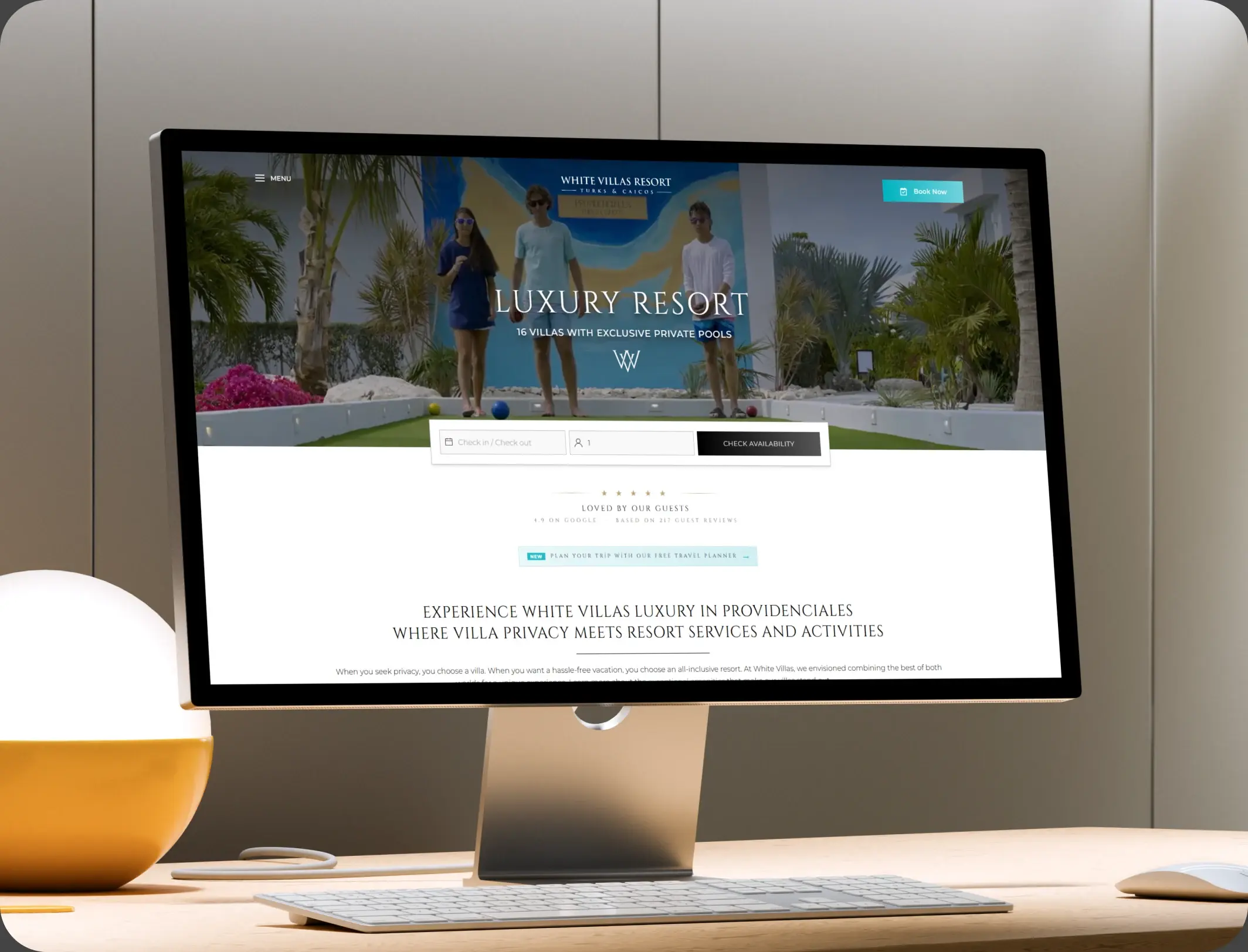
HOSPITALITY
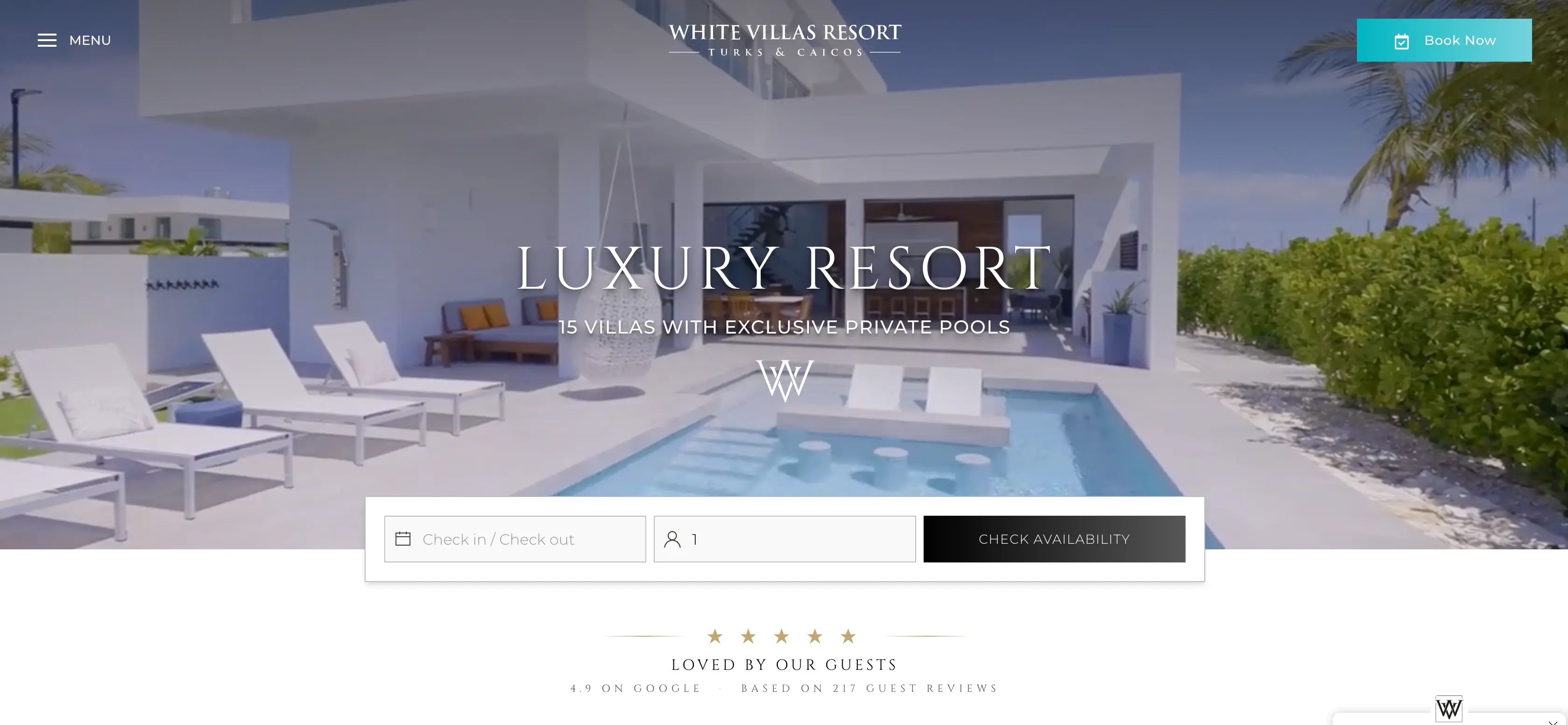
HubSpot End-to-End Guest Experience Automation for a Resort Villa - White Villas.
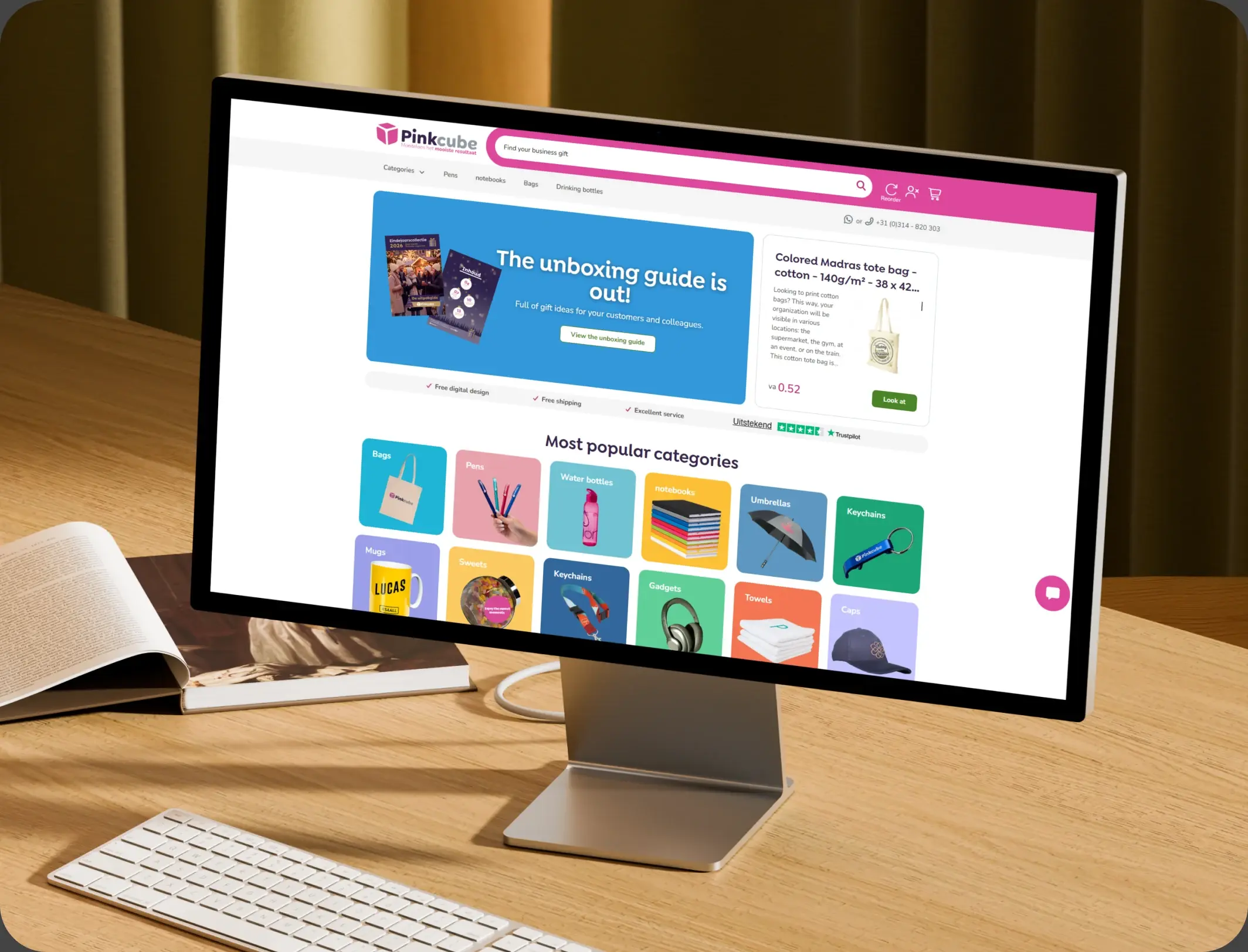
E-COMMERCE
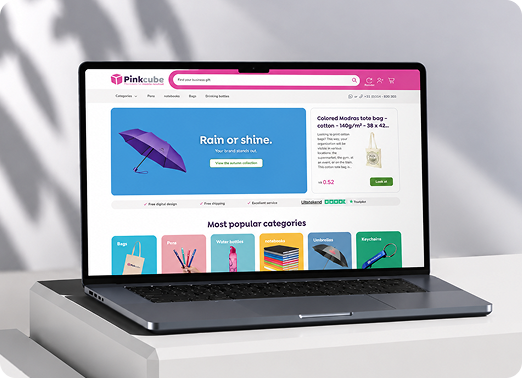
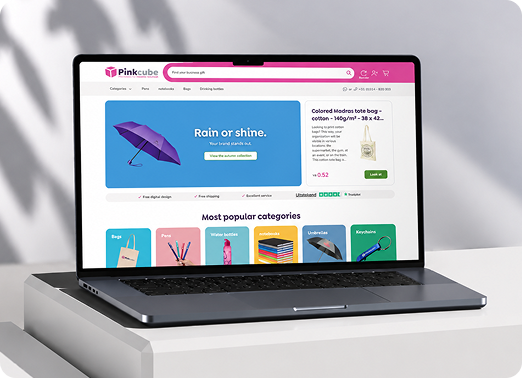
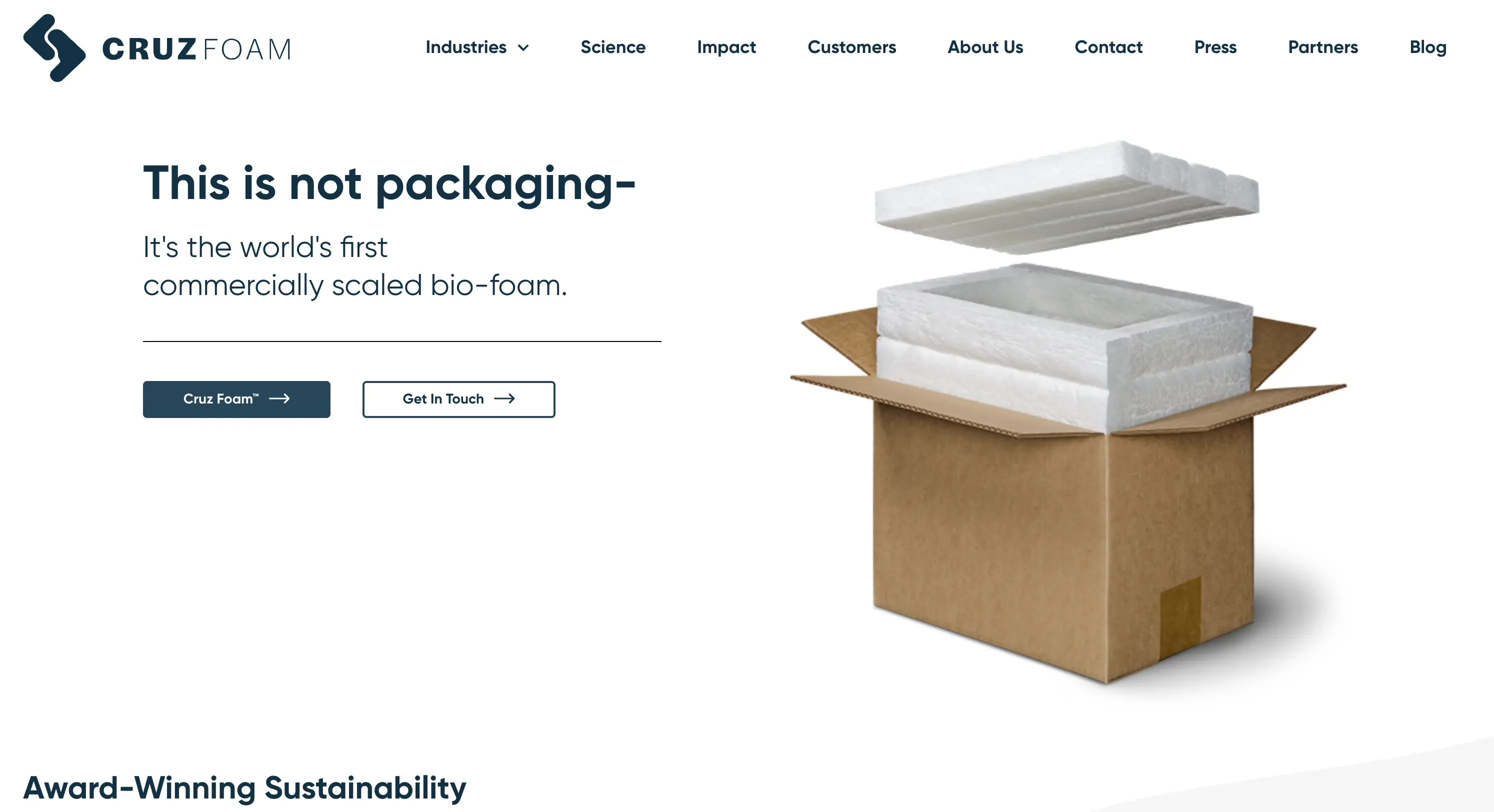
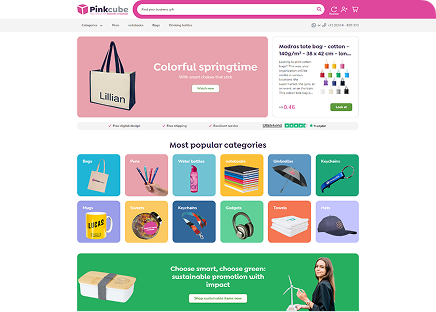
HubSpot Trengo to Service Hub Migration for an E-commerce Provider - Pinkcube.
TRAVEL & VISA
HubSpot Onboarding and Integration for a State-Owned Visa Company - Express Vietnam.
Search, broker relationships, and referrals bring requests in, with the source recorded at first touch. Most requests arrive by phone or broker platform.
Trip detail is captured once, routed by departure window, and dispatched with availability confirmed. Departure window decides the priority, not request order.
Passenger detail, catering, and ground transport requirements reach the right team without retyping. Dispatch inherits whatever sales wrote down.
Post-flight follow-up, card renewals, and empty leg offers keep the next charter with the same operator.
Instant acknowledgement with an expected response time, a quote task by departure window, and an escalation if the quote is not out in 30 minutes. Anyone who books exits the sequence at once.
A check-in after every quoted request, with a task if the broker goes quiet for a month. The escalation fires at 30 minutes, not at the end of the day.
A short-notice message to clients who fly that route, capped so the list stays useful. Empty leg messages go only to clients who fly that route.
Notice at 60 and 30 days before expiry, with a task for the account manager if the card is unused. Passenger detail is requested at booking, not at the gate.
Identification and catering requirements requested at booking, with a task if anything is missing 24 hours out.
A thank-you after landing, with a feedback request and a prompt for the next trip.
A task when a client who flew quarterly has not booked in six months.
Certified platform expertise, with a track record across travel agency workflows and aviation sales.
Built around your quote process, dispatch handoff, and broker relationships. No generic templates.
Multi-step workflows and conditional logic built for 30-minute quote windows.
Clean imports from spreadsheets or a legacy CRM, with client history intact.
An in-house team connecting HubSpot to your scheduling, quoting, and payment systems.
Continuous refinement as fleet and routes change.
A charter operator holds passenger identity, travel patterns, and payment detail for people who value discretion. The work is separation: documents stay in the operations system, card data stays with the provider, and the CRM carries the request, the quote, and the client relationship.

Not every operator needs every hub, and most start with Sales and Marketing before adding Service.
Your acquisition engine: route campaigns, empty leg alerts, and nurture for high-intent requests that arrive with a date attached. Route campaigns run from the same request record.
Built for the quote pipeline and the broker conversation behind it, where speed is the product. Each request carries an owner and a response clock. Route campaigns run from the same request record.
Where passenger requests, changes, and post-flight questions get tracked. Dispatch sees the client history before confirming. Here is how each one lines up with a quote-driven charter business.
Powers the website and aircraft content with built-in SEO, so route pages stay findable. Aircraft and route pages get edited without a developer.
Connects scheduling, quoting, and payment systems, most valuable as the fleet grows. Client data stays matched across bases instead of drifting.
Yes. It runs the commercial side of the operation: request capture, quote follow-up, broker relationships, jet card renewals, and empty leg promotion, while scheduling software keeps the fleet. Most operators see the difference within the first month of live workflows. The CRM carries coordination, not credentials.
Trip detail is captured once and routed by departure window, with an escalation if a quote is not out in 30 minutes, which is where charter business is usually lost. Quote speed is tracked, so the improvement is measurable. Every workflow is tested before it reaches a client.
A short-notice message goes only to clients who fly that route, capped per client, so the list stays useful instead of becoming noise. The sequence is matched to the aircraft category and route. Empty leg alerts are capped so the list stays useful.
Notice goes out at 60 and 30 days before expiry, and a card that has gone unused raises an account manager task. Nothing is assumed native until the connector is confirmed. Broker relationships are recorded per account, not per flight.
Passenger documents stay in the operations system, access is role-based, and card detail stays with the payment provider. Passenger documents never enter the CRM.
Often through an API or middleware. Request and quote data cross over, and the sync direction is scoped first. That is how cost per charter becomes visible.
Yes. Bases, aircraft categories, and sales teams are configured separately, with consolidated reporting for the operation. We map which fields may hold passenger data before launch.
Most run four to eight weeks, depending on integrations and how much client history needs migrating. Documents stay in the operations system.
Ready to Win More Charters With HubSpot?
A client is requesting a quote for tomorrow morning, and the first operator to answer usually gets the flight. We build around your quote process, your fleet, and your dispatch team. No generic setup, and no request left unanswered.