





















Attract and Qualify
Use case and expected volume are captured before the first technical call, so the evaluation starts scoped. Most evaluations start with documentation.
For AI SaaS teams, revenue moves with usage rather than seats, and half your buyers assume the demo is cherry-picked before they ask a question. HubSpot tracks consumption-based accounts honestly, backs every claim with evidence, and gets enterprise deals through the data governance review in every serious evaluation.

Teams that leveled up their growth with HubXpert
Consumption pricing means an account's value shifts month to month, and forecasting built for seats misses that swing entirely. Skepticism is the default response to any AI demo.
AI fatigue makes skepticism the default, so claims need proof rather than a polished walkthrough. The governance review is where enterprise deals actually queue.
A security and data governance review now sits inside every enterprise evaluation, and it is where most deals lose a quarter.
A spike can mean adoption or a runaway integration, and treating both the same produces a surprise invoice and a churn risk.
The internal champion has to sell your tool to a committee that has heard twelve pitches, and they need material you supplied.
A logo that tripled usage in six months is worth more than three that never activated, and most reports cannot tell the difference.
HubSpot for AI Startups covers five areas where usage, proof, and governance decide the revenue.
Usage against committed volume.
Spikes and drops both raise a task.
Not on seat count. Segment by usage shape.
Usage stability by account.
Benchmarks and references on file.
Proof sent with the proposal. A pilot.
Which asset moved the deal.
Evidence against outcome.
Questionnaire, review, approval. A pilot.
Who holds it, and since when.
Standard responses on file.
Days from request to approval.
Steady growth against a spike.
Cost that outruns value.
When usage is stable and high.
Committed volume added.
A careful setup with role-based access, and model inputs, prompts.
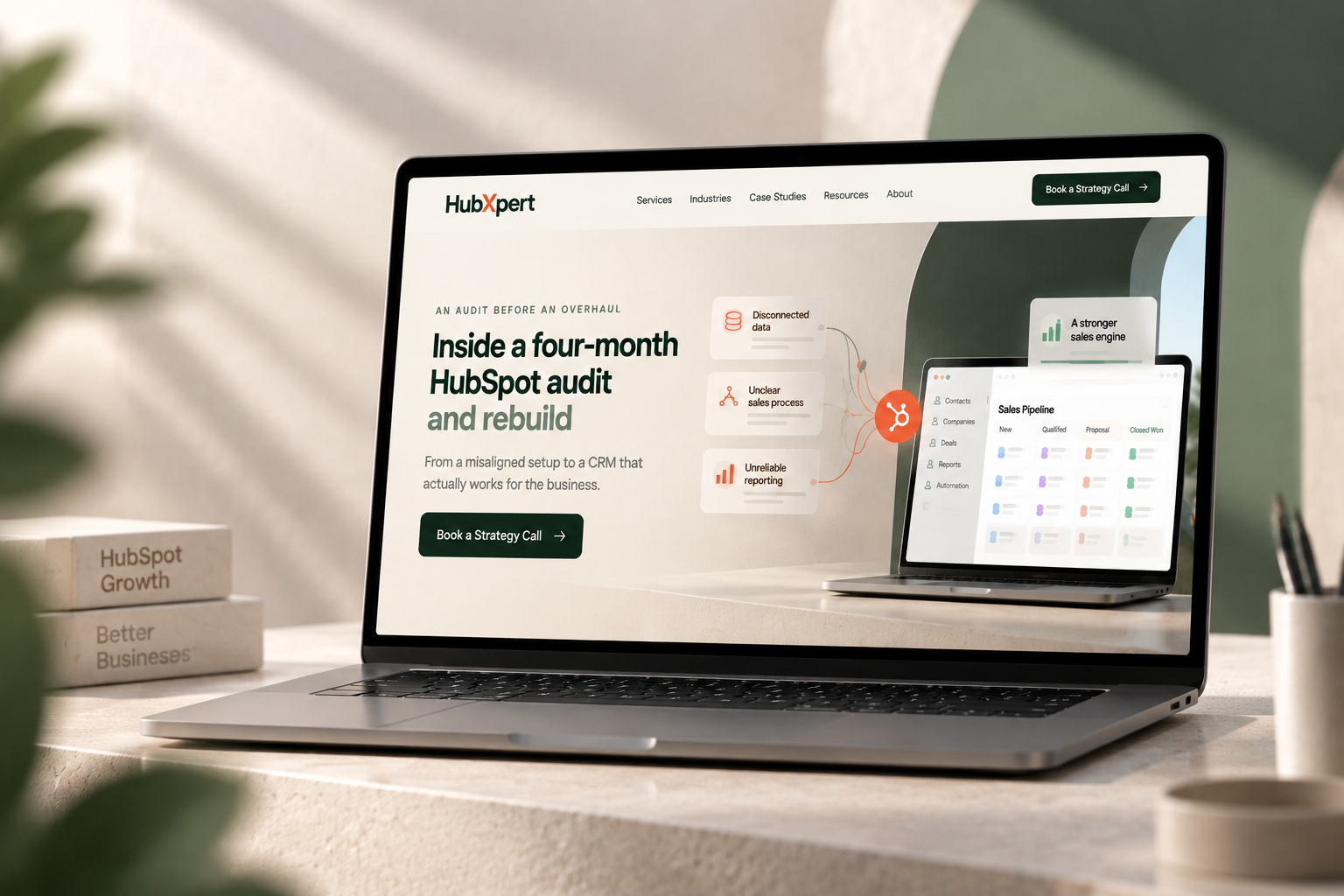
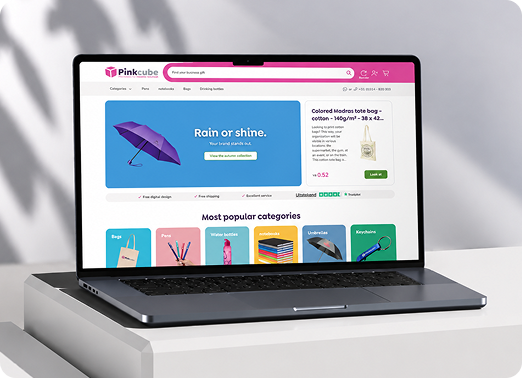
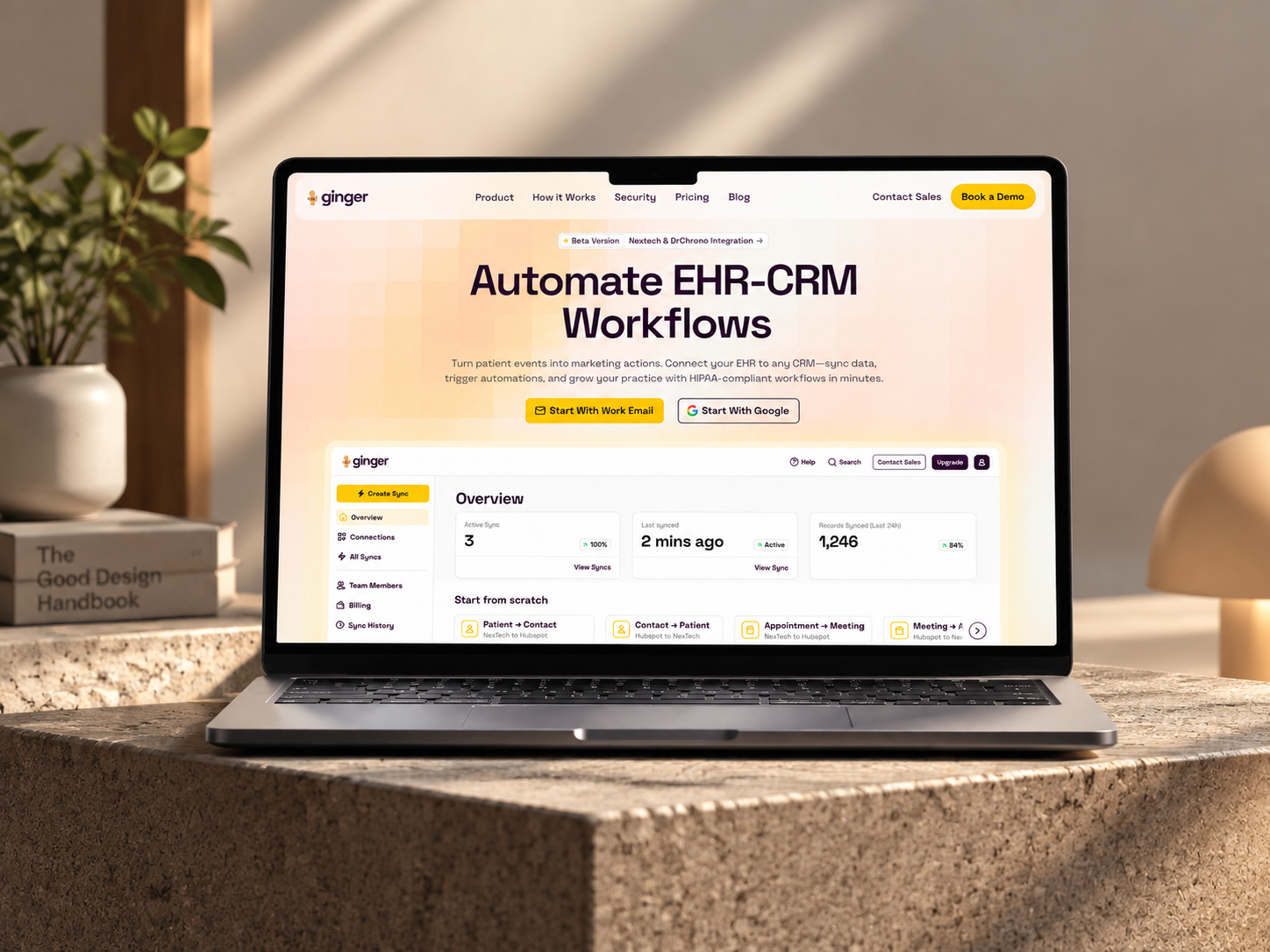
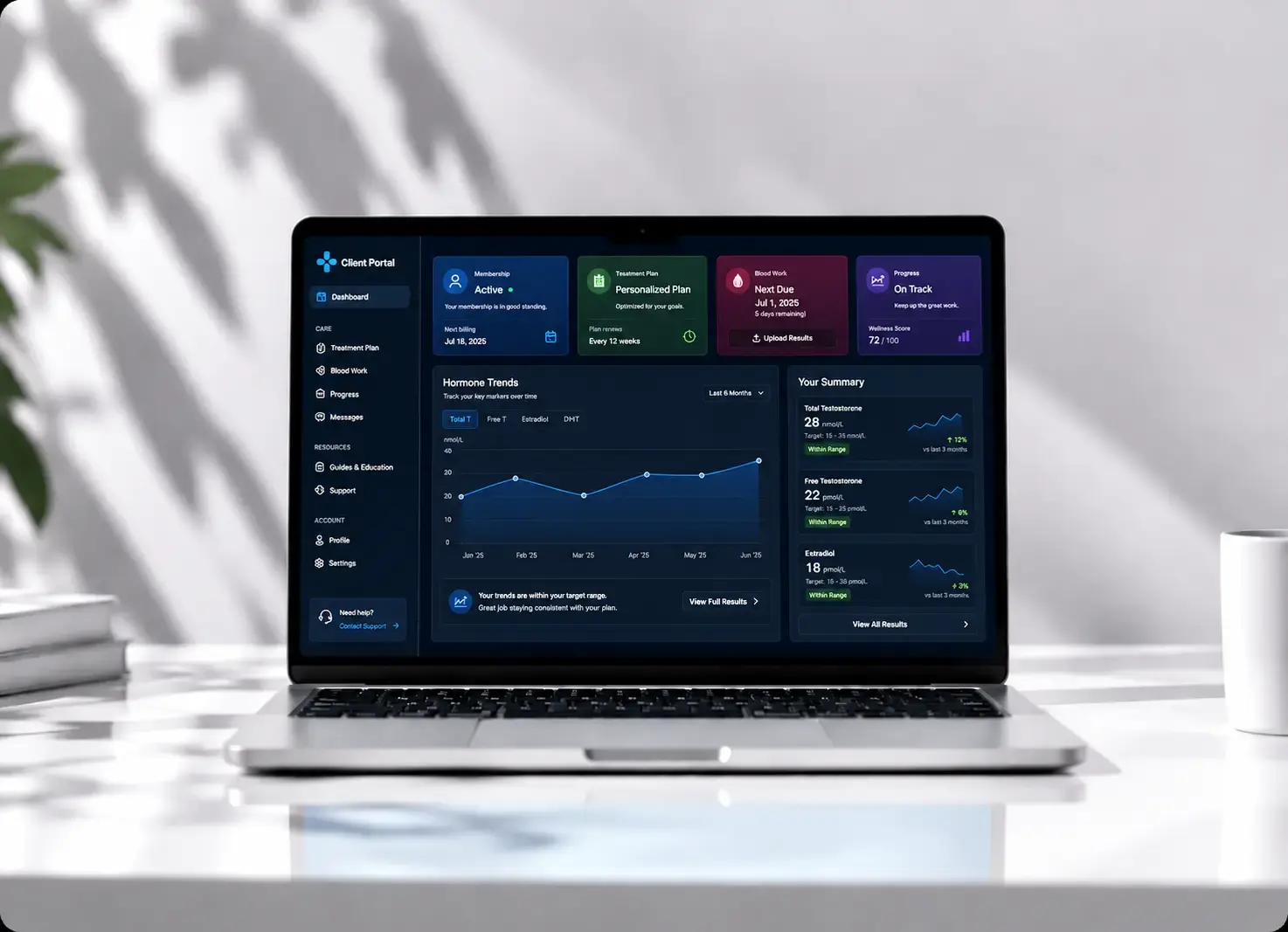
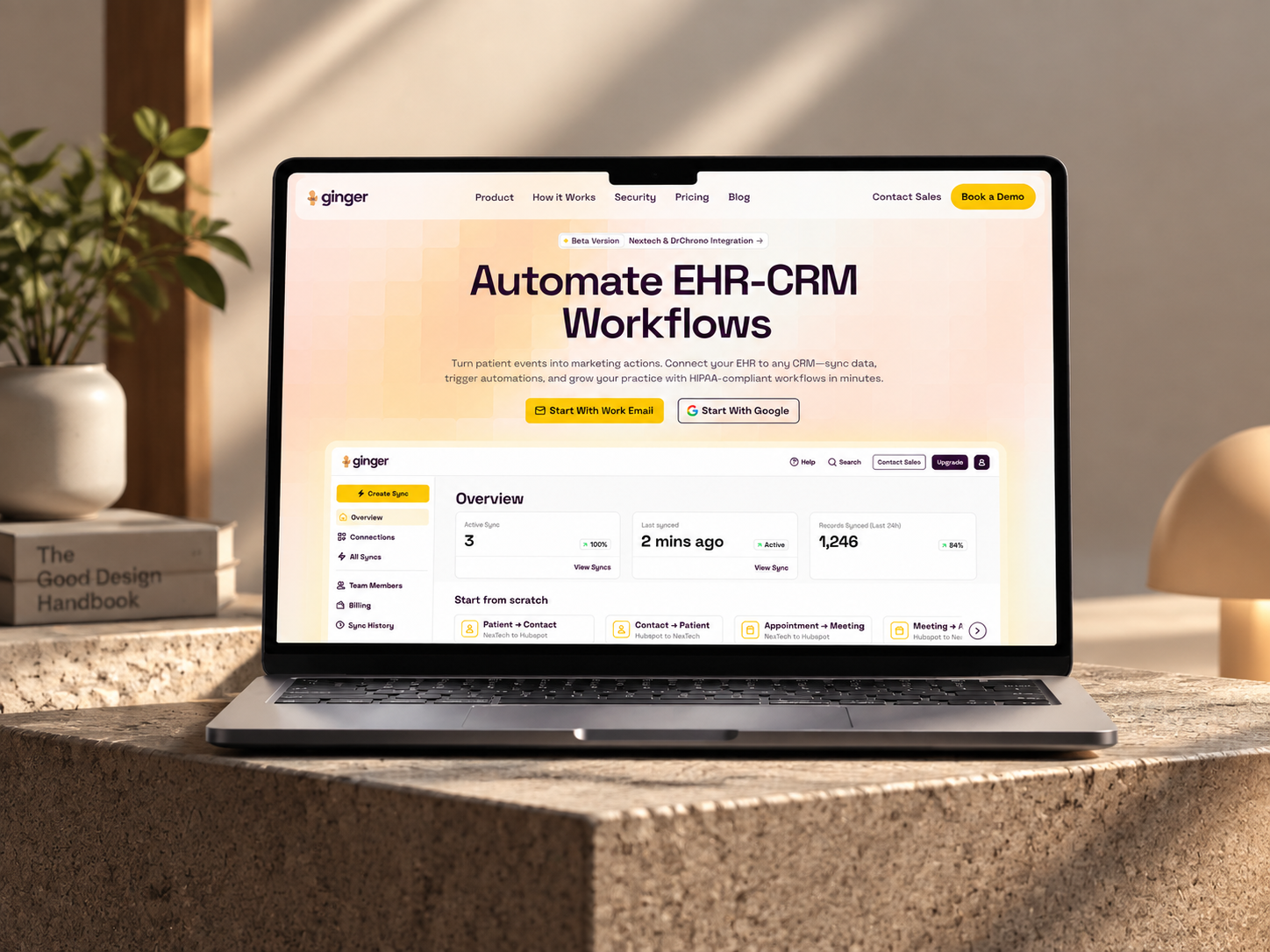
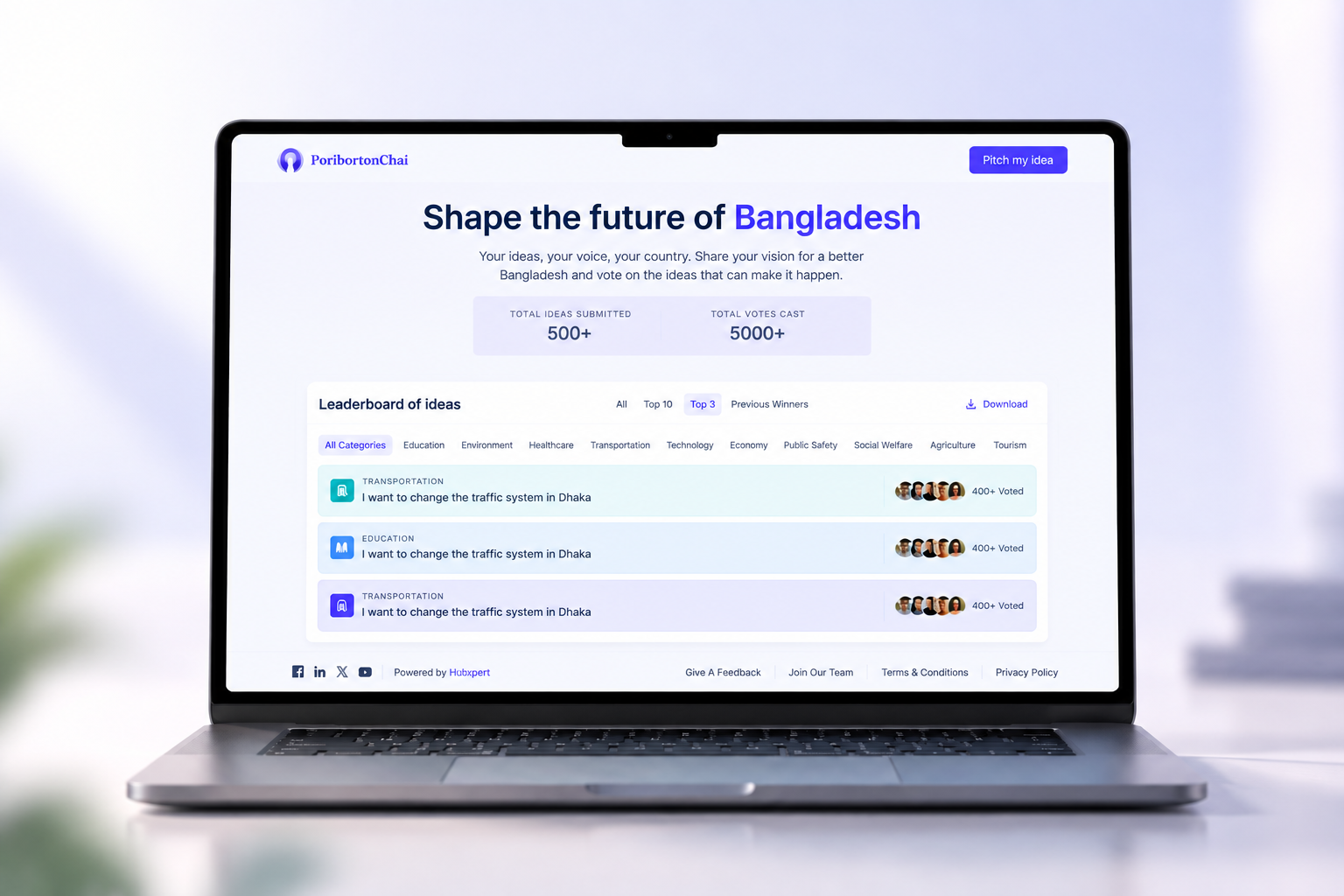
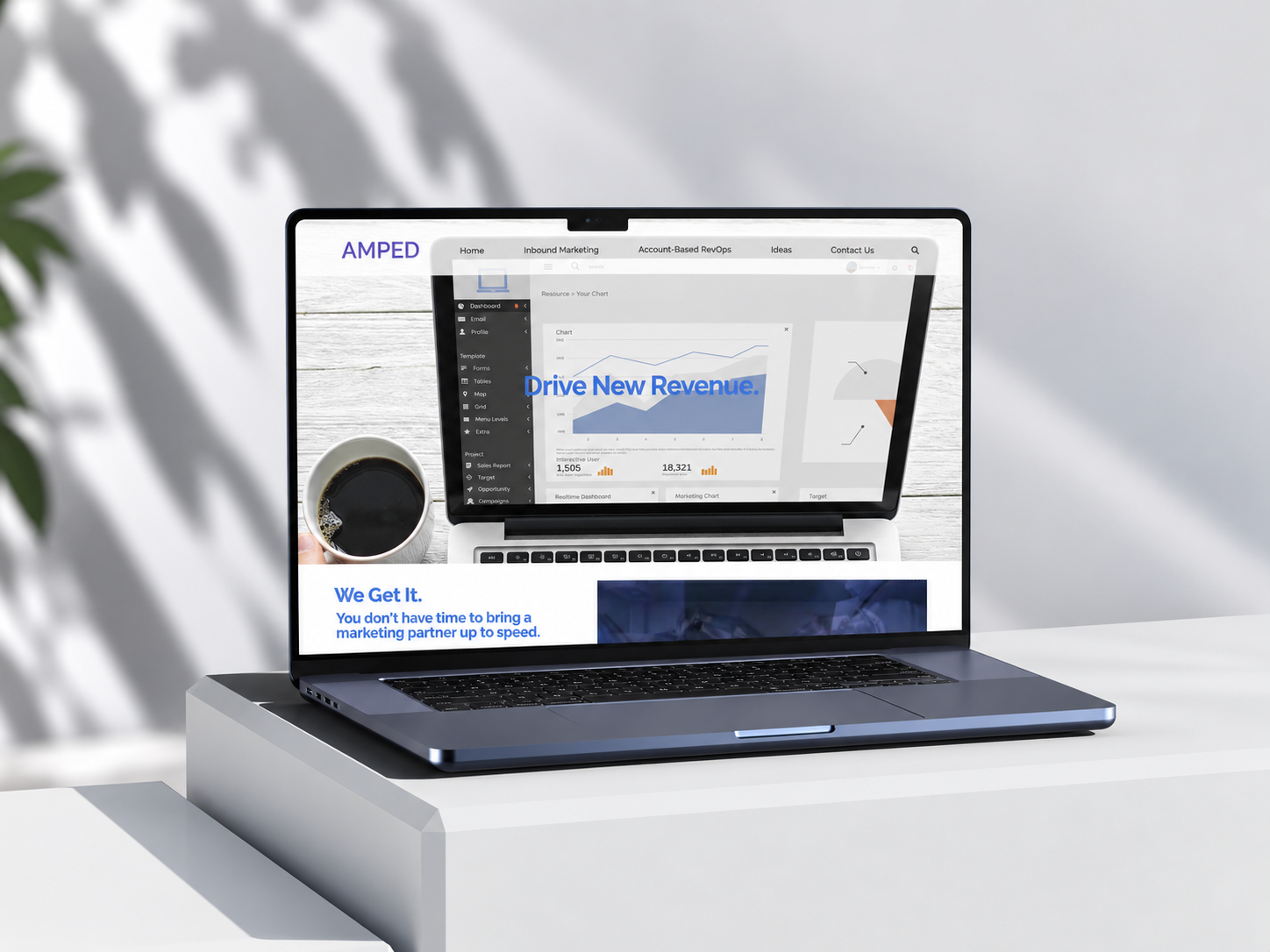
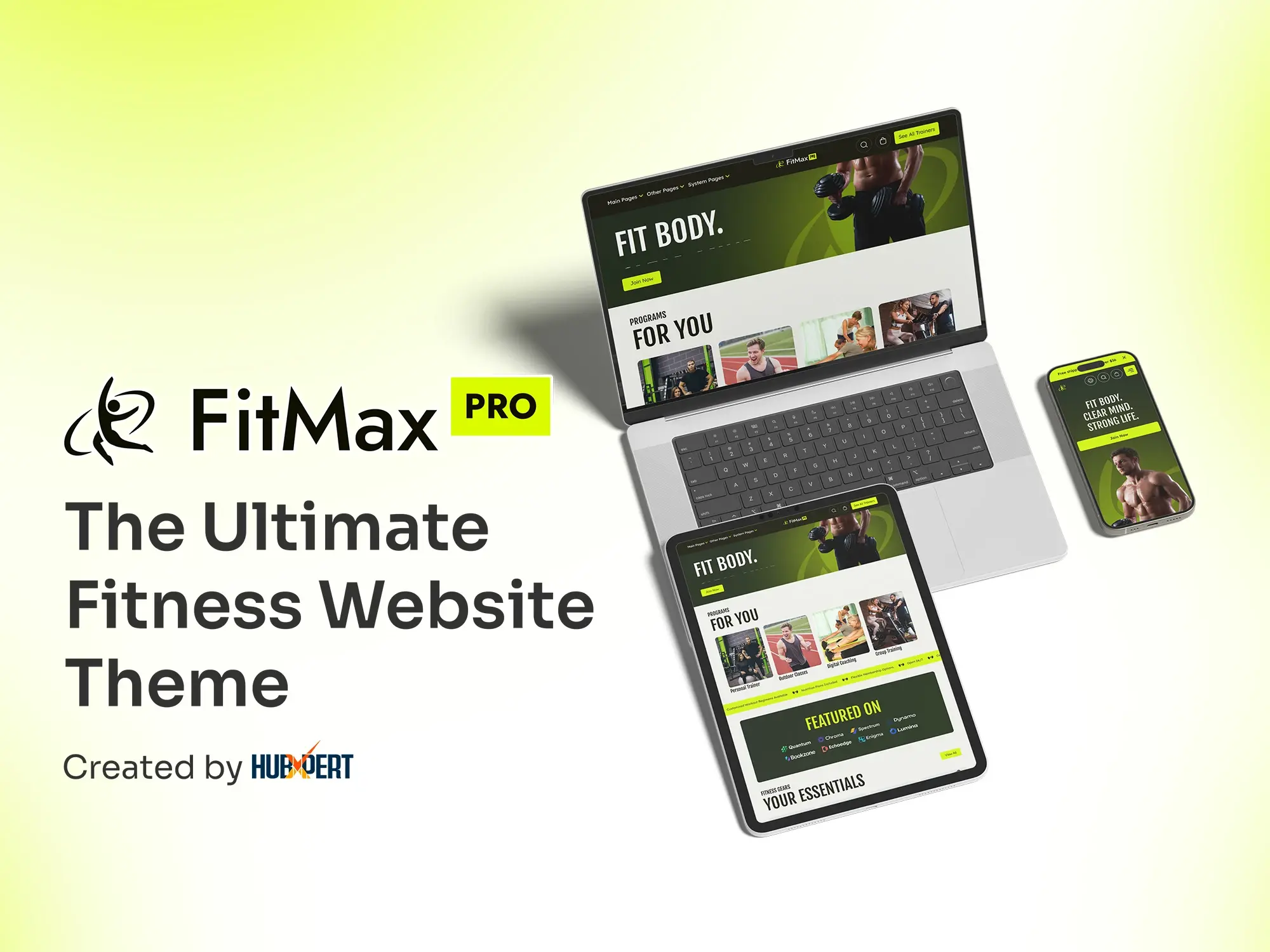
A curated selection of HubSpot implementations and digital marketing campaigns that moved the needle for our clients.
SAAS
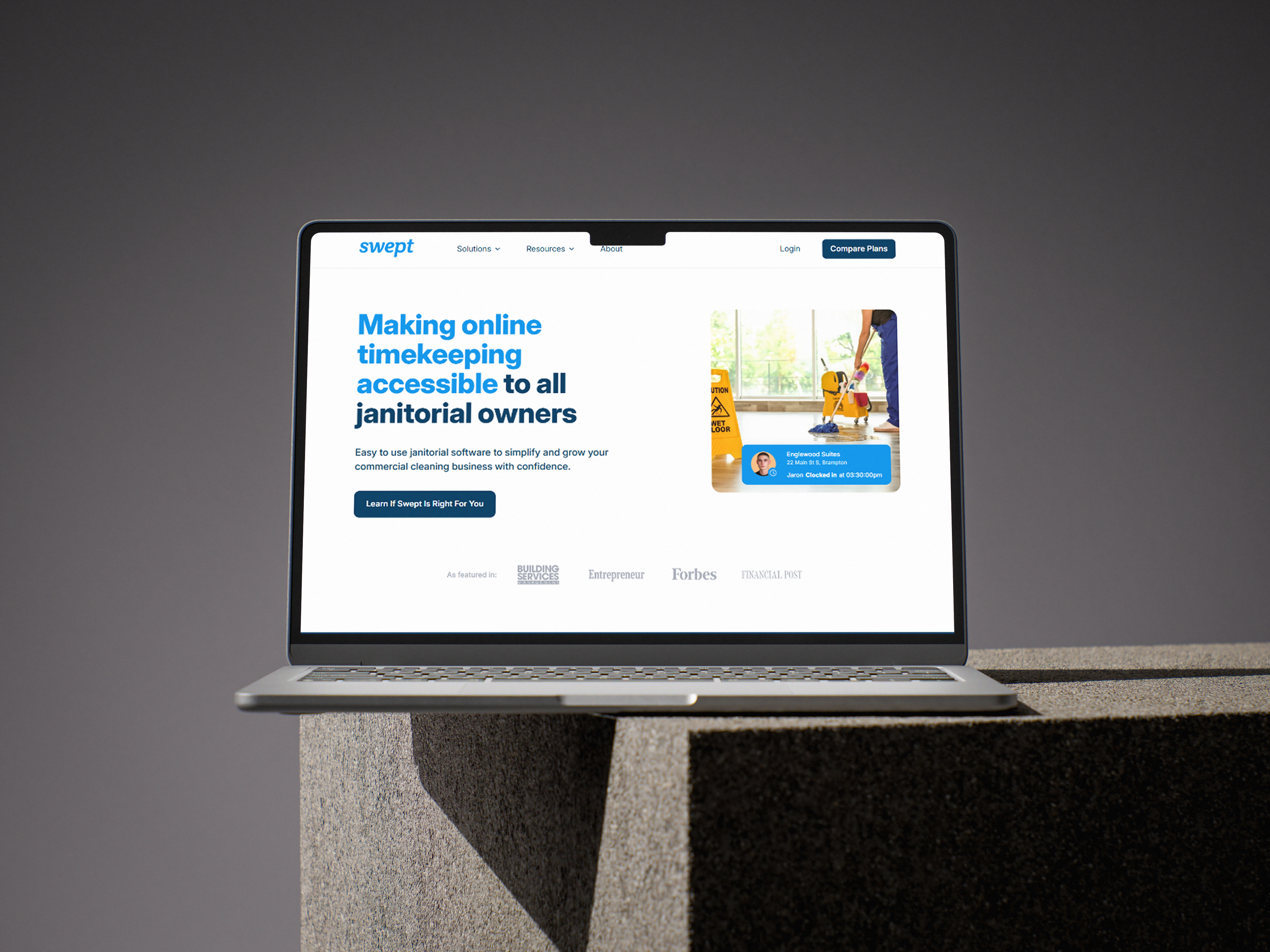
SystemHub is a business process documentation platform that helps companies capture, organize, and optimize their core workflows.
SAAS
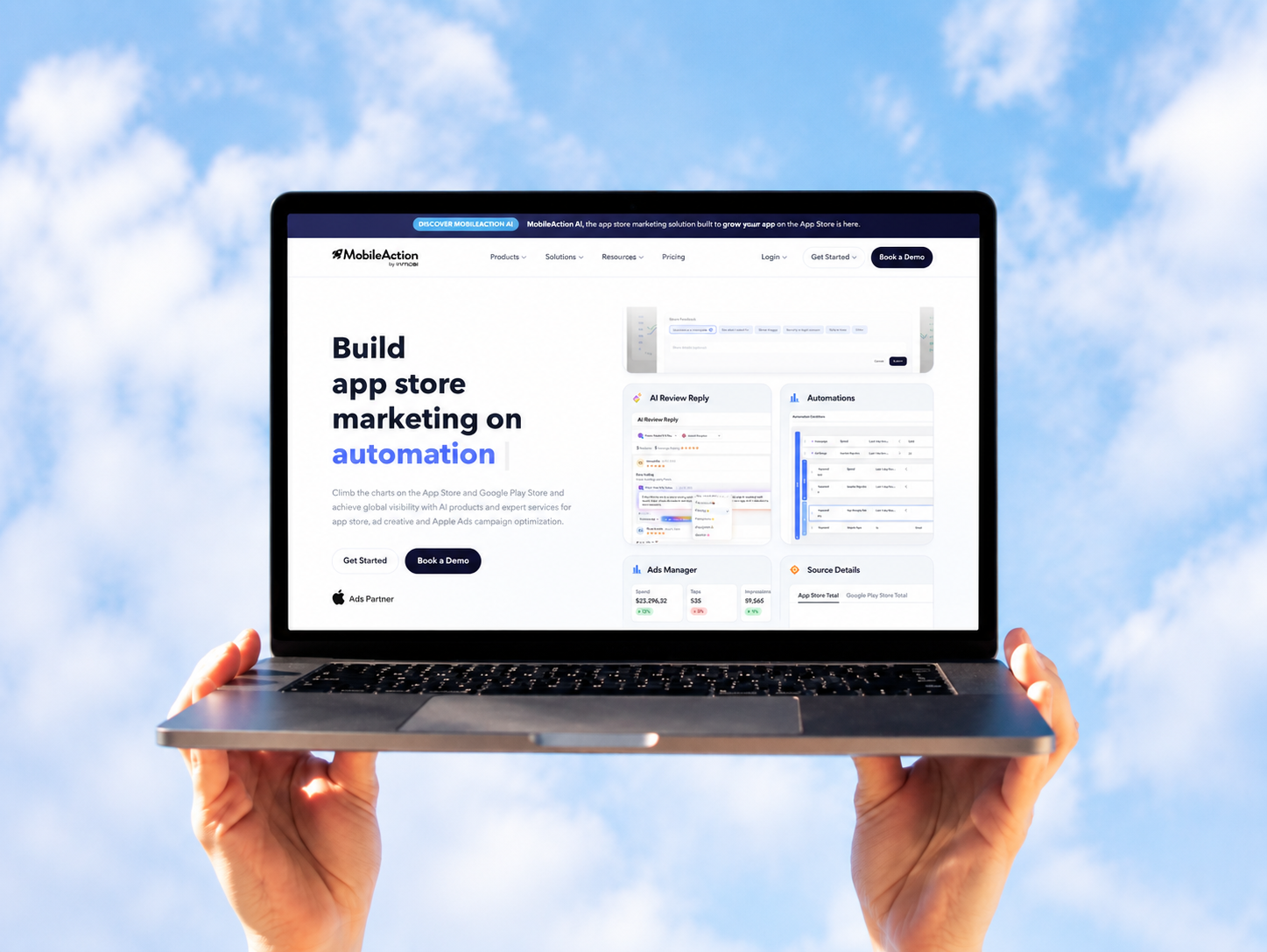
Gander is a SaaS platform that specializes in simplifying the process of curating and displaying high-quality videos
SAAS
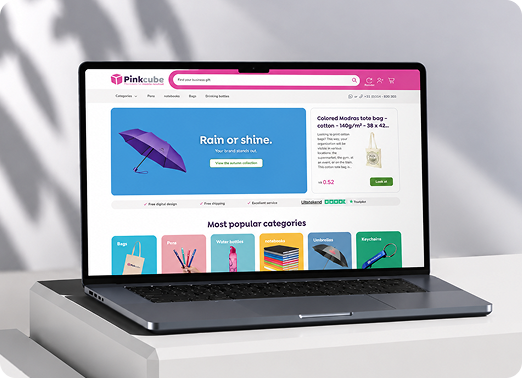
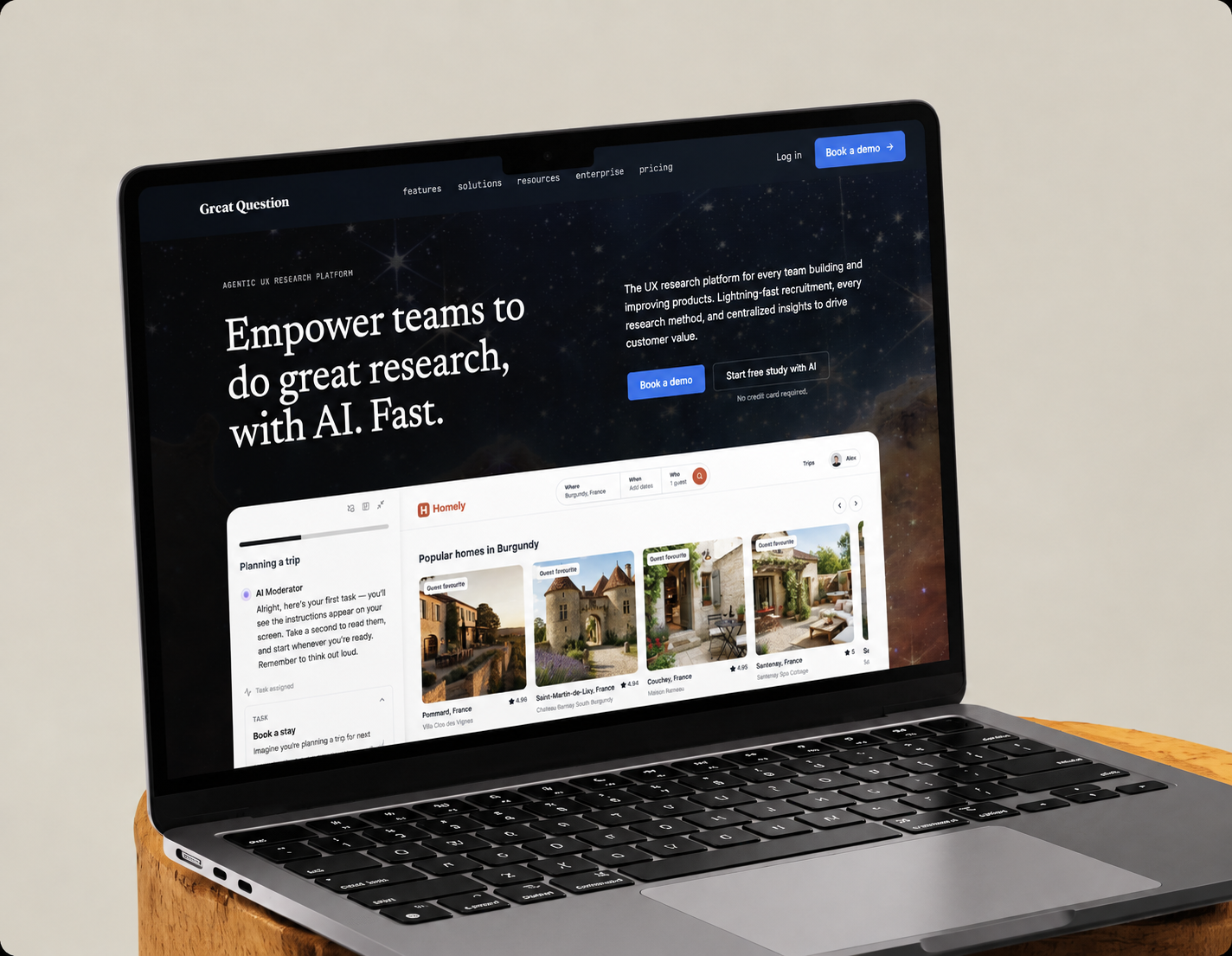
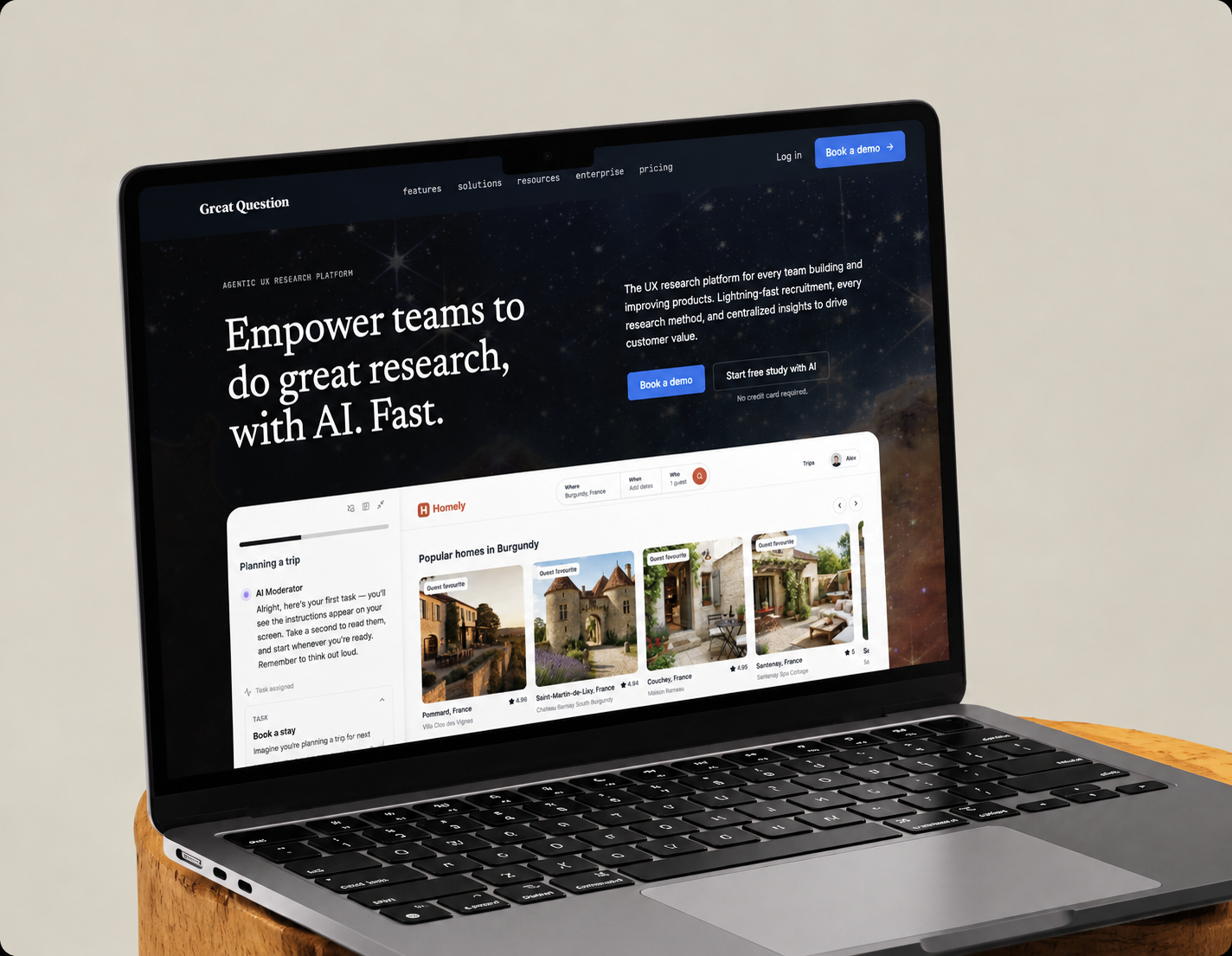
Great Question is an all-in-one UX research platform that helps companies collect user feedback, conduct surveys, and engage in meaningful conversations.
Use case and expected volume are captured before the first technical call, so the evaluation starts scoped. Most evaluations start with documentation.
Pilot results, references, and benchmarks sit on the deal, ready for the buyer's internal committee. The pilot is where the technical buyer makes up their mind.
The review has stages, an owner, and reusable answers, so it does not restart with every stakeholder. Governance review starts after commercial terms.
Stable, high usage triggers a commit conversation, and a runaway integration triggers a cost conversation.
A questionnaire request opens a stage, and five days without movement raises an escalation. An anomaly raises a task with the change attached.
A spike or a drop beyond the usual band raises a task with the change attached. A stable four weeks triggers the commit conversation.
Four weeks of stable usage above the threshold raises a commit conversation for the owner. Proposals leave with the benchmark pack attached.
A proposal sent without the benchmark pack prompts the owner to attach it. Champions receive material they can forward.
A champion identified in the deal receives a one-page internal case they can forward. Cost above value raises a review, not an invoice.
Usage cost above the account's value raises a review task rather than an invoice surprise. Renewal packs assemble sixty days out.
Sixty days out, usage history assembles the renewal case with committed volume in view.
Certified platform expertise, with a track record across usage-based SaaS builds. Metering is mapped before a single workflow is built.
Built around your consumption model, review process, and commit logic. No generic templates.
Multi-step workflows and conditional logic built for irregular usage.
Clean imports from your existing CRM and warehouse, with account history intact.
An in-house team connecting HubSpot to your usage metering, billing, and data platform.
Review time, usage quality, and committed volume tracked from launch.
An AI company often processes customer data, and sometimes trains on it, which makes the governance review the deal's real gate. The work is separation: payloads and model inputs stay in the product, and the CRM carries the review status and the evidence. Payloads stay in the product, never in the CRM.

Not every team needs every hub, and most start with Sales before adding Marketing. Here is how each one lines up with a technical evaluation.
Lifecycle messaging for a buyer who researches before speaking. Pilot sequences run from the same record as the deal. A support thread with usage in view resolves faster.
Built for the pilot and the review, as a HubSpot Sales Hub implementation for technical sales. Support sees the usage history before replying. Comparison pages matter more when the buyer has heard twelve pitches.
Where pilot support and usage questions sit on the account. Documentation gets edited without a developer. Most teams start with Sales, then add Marketing as volume grows.
Powers technical documentation and comparison pages, where the evaluation actually starts. One record links the pilot, the review, and the commit.
Connects usage metering and billing, which is how consumption stays visible. Metering data is what makes the forecast honest.
Yes. It runs the evaluation and the account: pilot, governance review, usage monitoring, and commits, while your product keeps the payloads and metering. Most teams see the difference in the first quarter. The CRM carries the review, not the model input.
Usage and committed volume sit on the account, so forecasting follows consumption rather than seat count, and an anomaly raises a task. Review time is tracked, so the improvement is measurable. Every workflow is tested against real accounts first. Most teams see the difference in the first quarter.
The review has stages, an owner, and a clock, with reusable answers on file, and five days of no movement escalates. The sequence is matched to the use case and the stage. Anomaly thresholds are set with your team.
Benchmarks, references, and pilot results attach to the deal, and the evidence that actually moved a decision is tracked. Nothing is assumed native until the connector is confirmed. Renewal timing follows the contract term.
Usage shape is compared against the usual band, so steady growth triggers a commit conversation and a cost spike triggers a review. Payloads never sit in the CRM.
Payloads and model inputs stay in the product, the review status and evidence live in the CRM, and sub-processor detail is recorded once. That is how cost per committed account becomes visible.
Cohorts are compared on consumption and retained usage rather than logos, which is the honest measure here. We agree the review stages before anything is built.
Most run four to six weeks, with metering integration the longest part. Usage history is migrated where it exists.
Ready to Get Through the Review Before the Quarter Ends?
A governance questionnaire has been open for eleven days, a pilot proved out and went quiet, and usage has doubled in an account nobody called. We build around your pricing, your review, and your data. No review left unanswered.