

















HubSpot for Advertising Agencies: Pitches and Budgets in One View

Your revenue moves with client ad spend, and the platforms claim more credit than the sales data supports. HubSpot checks the results against real revenue, spots a budget review before it becomes a cut, and gives the account a defence that does not depend on a dashboard the client can read themselves.

designer sketching a wireframe with sticky notes in a dim office

Teams that leveled up their growth with HubXpert

Company logo (3)
Company logo (2)-1
Company logo (1)-1
Company logo-1
Icon Group 1-1
Company logo (4)-1
Company logo (3)
Company logo (2)-1
Company logo (1)-1
Company logo-1
Icon Group 1-1
Company logo (4)-1
The Reason

Why Ad Agencies Need More Than Platform Dashboards

Ad platforms report on their own performance. They were never built to tell you whether the leads they claim actually became revenue. A fee that follows spend can leave in the same meeting that cut it. Every network counts the same conversion, and none of them count revenue.

Revenue Follows Client Spend

A media budget cut takes the fee with it, and the warning usually arrives after the decision has been made.

Platforms Grade Their Own Work

Every network counts the same conversion, and the totals do not reconcile with the client's sales data. The client can read the dashboard, which makes the dashboard worthless as an argument.

The Client Has the Same Dashboard

They can see impressions, so the agency has to bring something the platform cannot: closed revenue.

Creative Iteration Is Constant

Dozens of variants run each month, and nobody records which ones produced the sales rather than the clicks.

Budget Reviews Are Sudden

A quarterly review can shrink an account in an afternoon, and the evidence was never assembled in advance.

Attribution Ignores the Pitch

An account won on a referral gets credited to whichever case study ran last. Creative testing produces volume and rarely produces a conclusion.

Benefits

Key Benefits of HubSpot for Advertising Agencies

HubSpot for Advertising Agencies covers five areas where a spend decision, not a campaign result, decides the fee.

Verify Spend Against Revenue

Reconcile platform claims with what actually closed.

  • Track lead to sale

    The lead, the close, and the value.

  • Compare to platform

    Claimed conversions against closed.

  • Flag the gap

    Where the two disagree.

  • Report verified return

    Revenue against spend.

Built for client data.

A careful setup with role-based access, and client ad account access.

  • 36% More deals closed
  • 37% Faster ticket resolution
Case Studies

Our Featured Works

A curated selection of HubSpot implementations and digital marketing campaigns that moved the needle for our clients.

Digital Agency

HubSpot Sales Hub Professional Onboarding for a Software Service Company, RiseUp Labs

Onboarding Sales Hub for 10+ team members, and provide hands-on training

Rise Up Labs
Rise Up Labs – HubSpot Sales Hub Professional Onboarding for a Software Service Company, RiseUp Labs

Digital Agency

How SystemHub Scaled Efficiency with HubSpot Migration & Advanced Automation

SystemHub is a business process documentation platform that helps companies capture, organize, and optimize their core workflows.

System Hub
System Hub – How SystemHub Scaled Efficiency with HubSpot Migration & Advanced Automation
HubSpot Usage

How Advertising Agencies Use HubSpot From Media Plan to Renewal

Step 1

Plan Against Revenue

The media plan records what each channel should produce, in closed revenue rather than impressions. Most accounts arrive through a referral or a pitch.

Step 2

Verify During Flight

Leads are tracked to sale while the campaign runs, so a gap appears in week two rather than in the review.

Step 3

Reconcile the Numbers

Platform claims are compared against closed work, and the difference is documented rather than argued. The media plan is where the expectation is set.

Step 4

Defend the Budget

The verified return and the value summary are assembled before the client's review, not after the cut. Verification happens during flight or not at all.

Workflow & Triggers

Example Ad Agency Workflows We Can Automate in HubSpot

These are the workflows we build most often when we set up HubSpot for Advertising Agencies, tuned to a business whose fee moves with somebody else's budget. A review inside thirty days raises a task.

ad executives reviewing campaign charts on a glass table
  1. Budget Review Alert

    A client review date inside thirty days raises a task to assemble the verified return pack. Verified return is reported monthly.

  2. Spend Drift Flag

    A paused campaign or a slower approval raises a conversation before the quarter closes. A paused campaign raises a conversation.

  3. Verified Return Report

    Monthly spend against closed revenue, with the platform claim beside it. Winning variants are flagged against closed work.

  4. Creative Winner Report

    Variants that produced sales are flagged, and the ones that produced clicks only are named.

  5. Quarterly Stakeholder Update

    The people who influence the budget hear from the agency each quarter, not once a year. Stakeholders hear from the agency every quarter. Referrers hear from the agency within the week.

  6. Renewal Countdown

    Ninety days before a contract ends, the retention pack is assembled and a review is booked. Renewal packs assemble ninety days out.

  7. Referrer Thank-You

    An introduction that becomes a client triggers a thank-you and a check-in.

Why HubXpert

Why Choose HubXpert for HubSpot Ad Agency Builds?

Ad agencies come to us because the platforms are convincing and the evidence is thin, and the client now reads the same dashboards the agency does. It also sets the reporting the partners will read each quarter.

HubSpot Platinum Partner

Certified platform expertise, with a track record across agency workflows and media businesses.

Custom Media Workflows

Built around your media plan, verification process, and budget calendar. No generic templates.

Advanced Automation

Multi-step workflows and conditional logic built for review cycles.

CRM Migration and Data Structuring

Clean imports from your ad platforms and spreadsheets, with account history intact.

Integration and API Development

An in-house team connecting HubSpot to your ad platforms and analytics stack.

Reporting and Optimization

Verified return, budget retention, and creative performance tracked from launch.

Compliance

Practical Setup Inside HubSpot for Advertising Agencies

An ad agency holds client ad account access, audience segments, and sometimes personal data from a client's own forms. The work is separation: ad account access stays with the client, audience data stays in the platforms, and the CRM carries the plan, the verified result, and the conversation.


  • Ad Account Boundaries
  • Audience Data Rules
  • Role-Based Access
  • Retention Rules
Secure data lock
HubSpot Hubs

HubSpot Hubs Recommended for Advertising Agencies

Not every agency needs every hub, and most start with Sales before adding Marketing.

  • Marketing Hub

    Your own demand engine, running while the team runs everyone else's, which is when it matters most. Most agencies start with Sales, then add Marketing for their own demand.

  • Sales Hub

    Built for media plans and renewals, where the verified result lives on the account rather than in a slide. Review sequences run from the same record as the account. Client budget questions sit on the record.

  • Service Hub

    Where client requests, budget questions, and review notes sit on the record. Here is how each one lines up with a business judged on somebody else's budget, at a review the agency does not control.

  • Content Hub

    Powers the case studies and benchmarks that win the next pitch before the fee is discussed. Case studies get edited without a developer. Ad platforms stay the source, and the CRM points at them.

  • Operations Hub

    Connects ad platforms and analytics, which is the only way spend verification stays honest across accounts. One record links the plan, the spend, and the renewal.

Our Process

Our Process for Implementing HubSpot for Advertising Agencies

Step 1.

Discovery and Budget Analysis

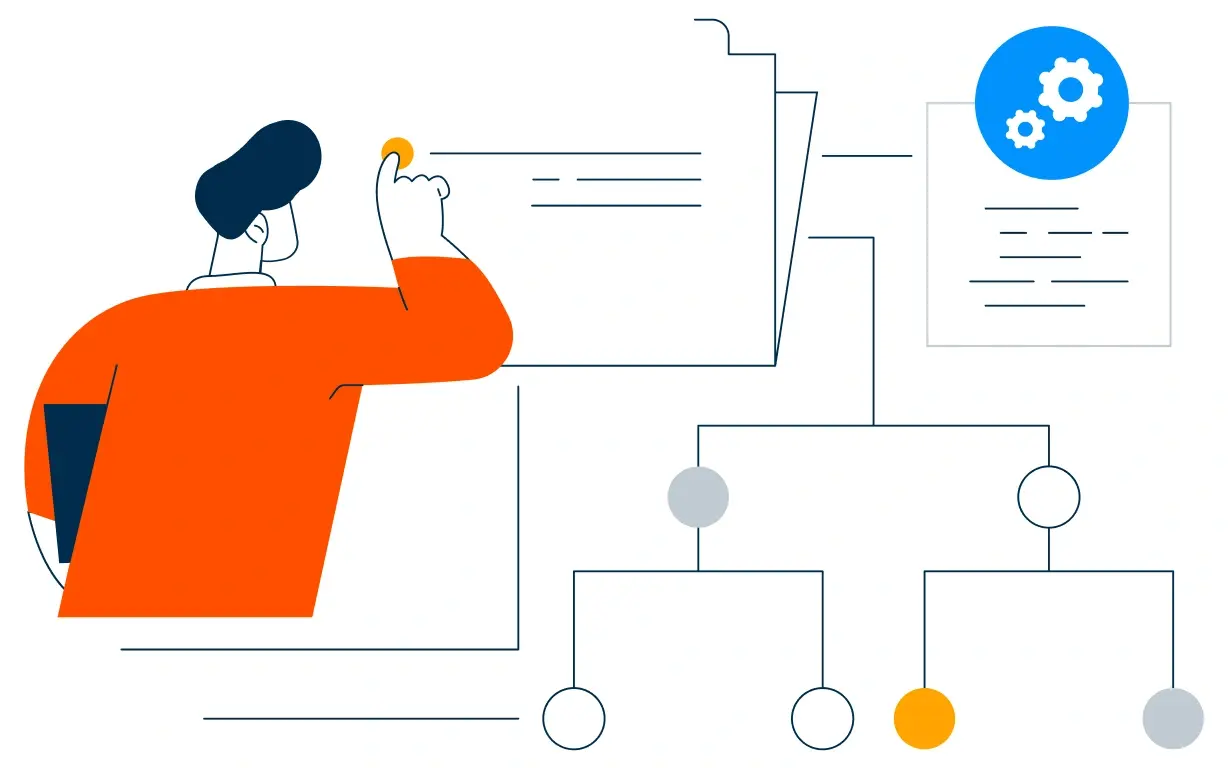
We look at how budgets are reviewed, what triggers a cut, and how results are verified today. It also sets the reporting the account leads will read each month.
Discovery and Budget Analysis illustration
Step 2.

CRM Architecture and Pipeline Planning

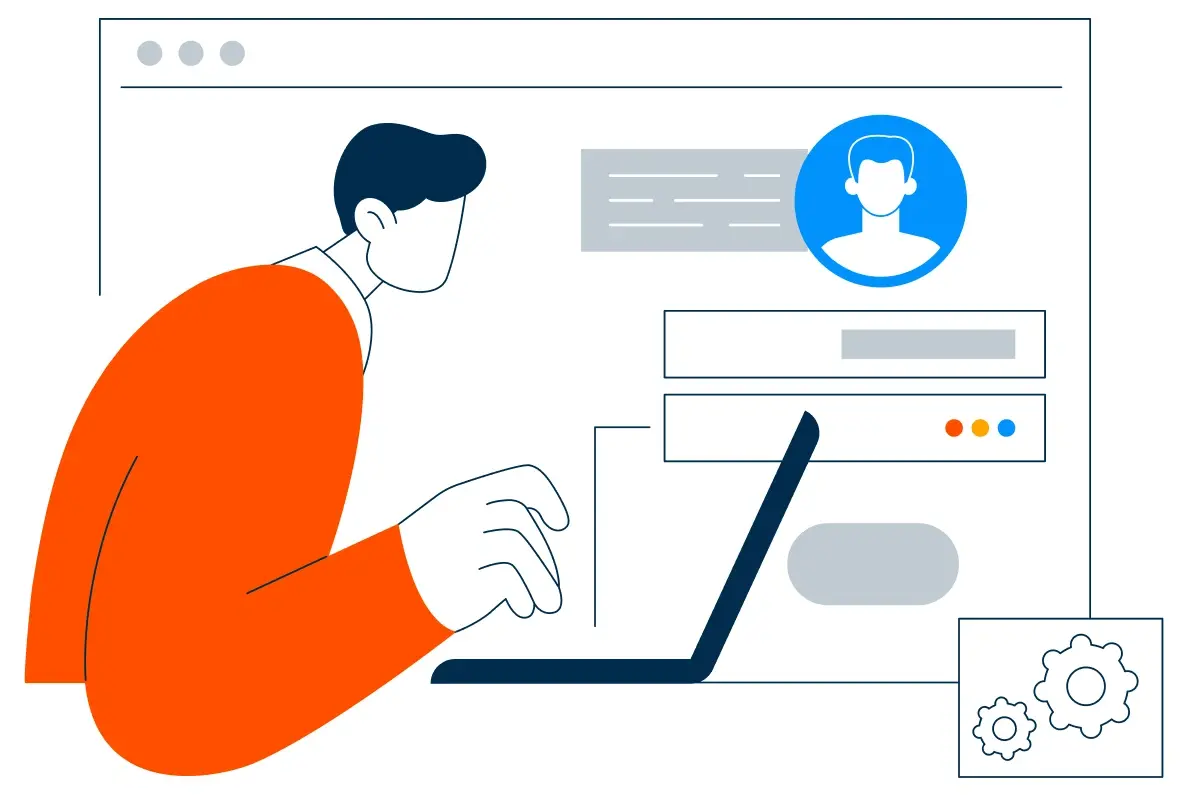
Account records, media plan fields, and verification stages mapped to how the agency actually works. Stages mirror how a media plan becomes a renewed contract.
CRM Architecture and Pipeline Planning illustration
Step 3.

Automation and Integration Setup

Workflows built, ad platform integrations connected, and dashboards created. Every automation is tested before launch. Consent rules are configured before the first send.
Automation and Integration Setup illustration
Step 4.

Team Training and Adoption

Hands-on training for account leads and media buyers on the review alert and the verification pack.
Team Training and Adoption illustration
Step 5.

Reporting and Optimization

Once live, we monitor budget retention and verified return, and refine the pack each quarter.
Reporting and Optimization illustration
FAQ

Questions You Might Have

Does HubSpot work for advertising agencies?

Yes. It runs the client side of the agency: media plans, lead to sale tracking, spend verification, budget reviews, and renewals, while the ad platforms keep running the campaigns. The platform tells the client what it claims to have done, and the CRM tells the client what actually closed.

How does HubSpot verify platform results?

Leads are tracked from the ad through to closed revenue, then compared against the conversions the platform claims. Where the two disagree, the difference is documented, which turns a credibility argument into a reconciliation exercise.

Can HubSpot warn us before a budget cut?

A review date inside thirty days raises a task to assemble the verified return pack, and a paused campaign or a slower approval raises a conversation before the quarter closes. That is usually enough warning to defend the budget with evidence rather than assurances.

How does HubSpot identify creative that worked?

Every variant is logged with its audience and offer, and tied to the closed work it produced. Concepts that generated sales are separated from concepts that generated clicks, which changes what the account makes next month.

What goes into the quarterly review pack?

Spend, closed revenue, verified return, and a short summary of what the budget produced. A finance lead can read it in five minutes, which is the only test that matters when a budget is being discussed.

The client already has the platform dashboards. What is different?

The dashboards show what the platform did. The CRM shows what happened to the business, including the revenue the platform cannot see, which is the part the client cannot get anywhere else.

How do you handle ad account and audience access?

Access stays with the client, audience data stays in the platforms, and permissions in the CRM follow the role so a media buyer sees only their own accounts.

How long does an implementation take?

Most run four to six weeks, with verification live before the next quarterly review.

Book Consultation

Ready to Defend the Budget With Numbers?

A quarterly review is set for next month, the platform claims four hundred conversions, and the client's sales team can find eleven. We build around your accounts and your team. No generic setup, and no review left to a dashboard. The first review cycle is measured against your own numbers.

Takes 30 minutes
Delivered by certified HubSpot experts

Ratul-Rahman