


















Attract Travelers
Search, Instagram, and partner referrals bring travelers in, with the source recorded at first touch. Most enquiries arrive after a friend posts a photo.
Expedition travel runs on tight departure windows and safety-critical communication, and a slow reply to a trip enquiry sends the traveler to another outfitter. HubSpot helps operators qualify enquiries faster, keep guides and agents in sync, and follow every departure from first question to post-trip feedback.

Teams that leveled up their growth with HubXpert
Email, Instagram, and website forms arrive all week, then get retyped between whoever quotes the trip and the guide team planning logistics.
Trip software manages departures, capacity, and waivers well. It was never built for nurture, campaigns, or showing which channel brings travelers who actually book.
A traveler compares itineraries, dates, fitness requirements, and price, often with a partner. Without nurture, the research phase ends in silence.
A departure with four seats left needs the right audience at the right moment, and a full one needs nothing at all. Generic campaigns ignore both.
Packing lists, waivers, fitness notes, and meeting points have to reach the right traveler at the right time, and a missed message becomes an incident.
Guides, partners, and paid social all claim the same booking. Without attribution, next season's budget is guesswork.
HubSpot for Adventure Travel Companies covers five areas where an operator can fill departures.
Expedition pages, forms, guides.
By destination, expedition type.
Stay engaged while they compare itineraries.
See which channels produce travelers who book.
Options matched to stated interests.
Reminders after enquiries and consultations.
Reconnect with travelers who stopped midway.
Stay present through months of research.
Deadlines, packing, and updates on a schedule.
Detail matched to itinerary and departure date.
Guide and ops reminders created automatically.
Feedback requests and future expedition offers.
Past trips, fitness level.
By destination, difficulty, and trip type.
New trips offered when timing fits.
Each booking traced to who recommended it.
Source stored on every enquiry.
Revenue and cost per departure.
Agents and outfitters compared fairly.
A summary leadership can act on.
A privacy-conscious setup with role-based access, and medical.
A curated selection of HubSpot implementations and digital marketing campaigns that moved the needle for our clients.
HOSPITALITY
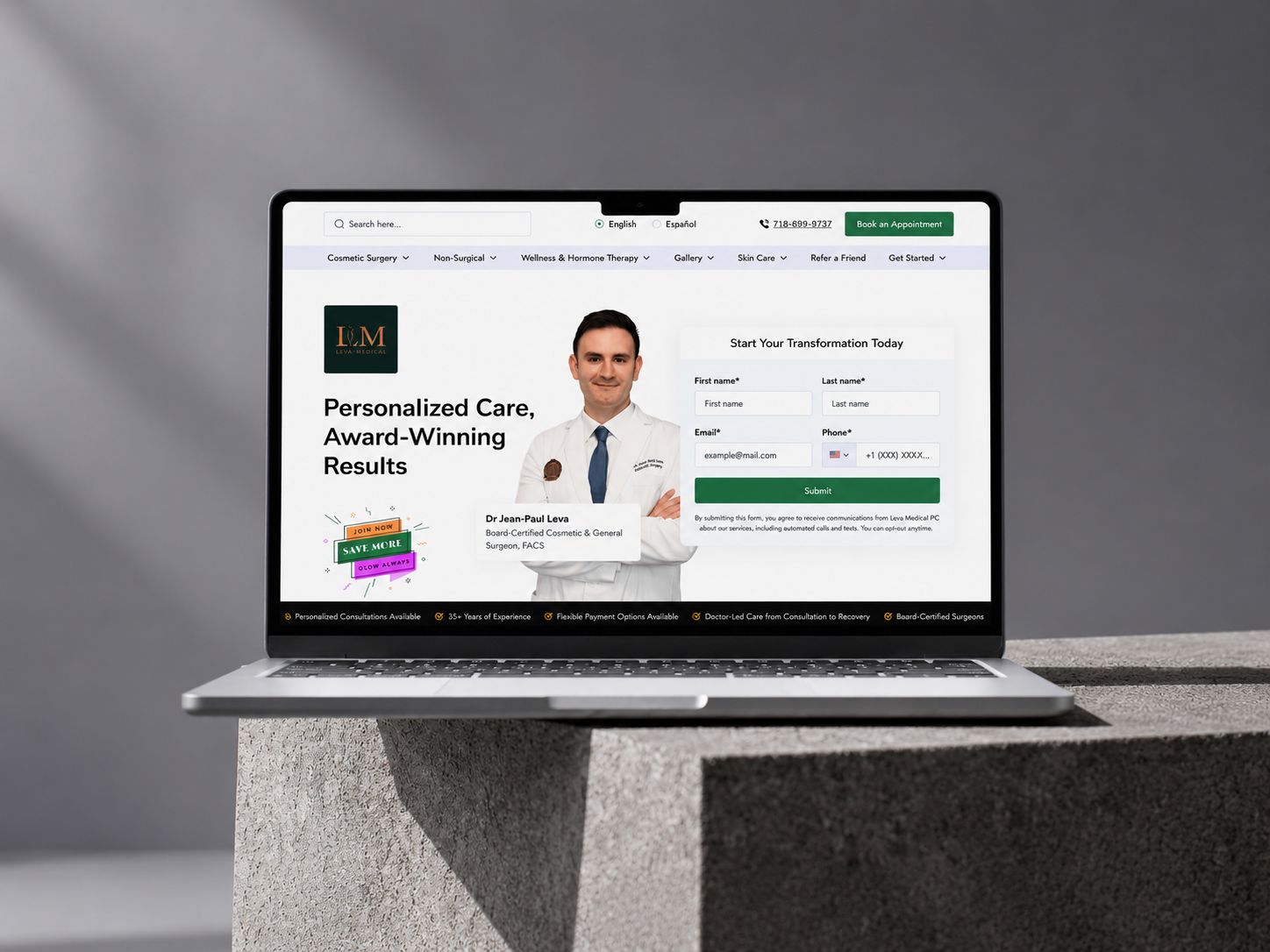
HubSpot End-to-End Guest Experience Automation for a Resort Villa - White Villas.
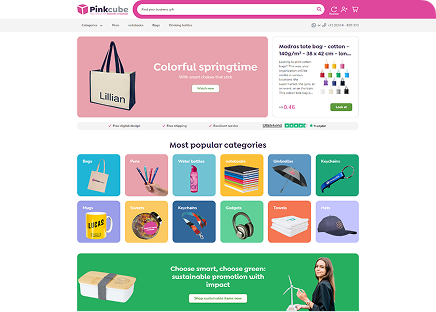
E-COMMERCE
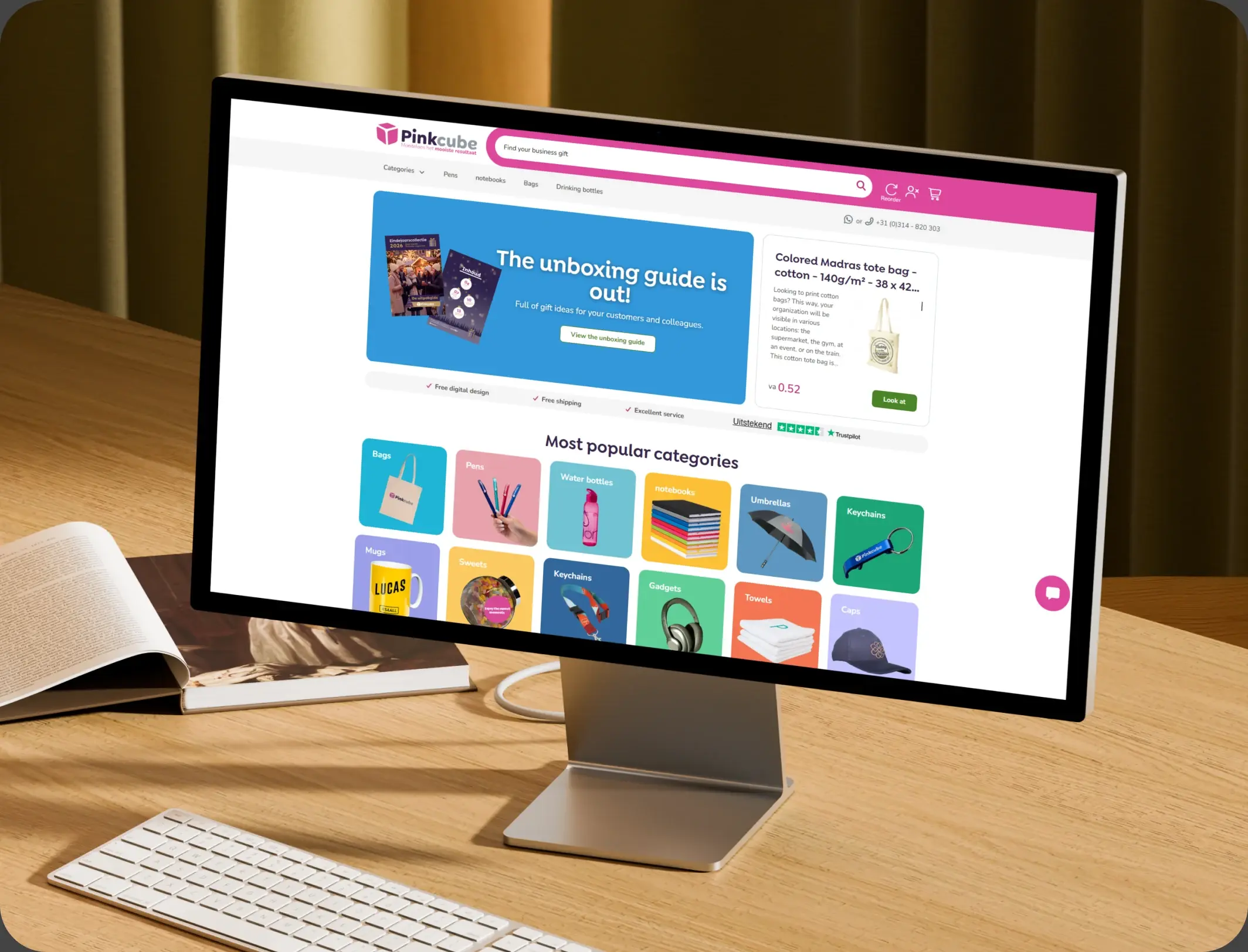
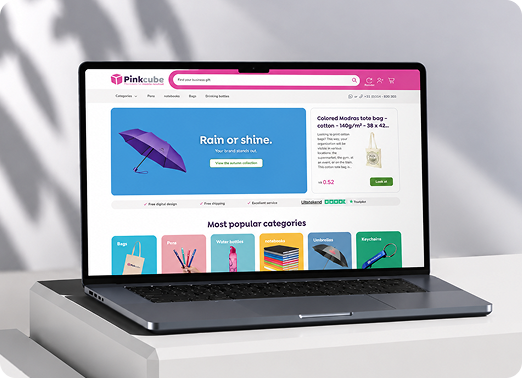
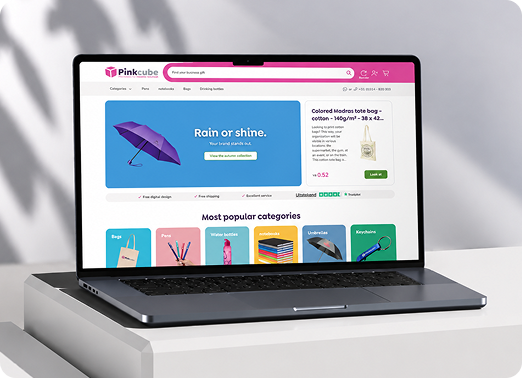
HubSpot Trengo to Service Hub Migration for an E-commerce Provider - Pinkcube.
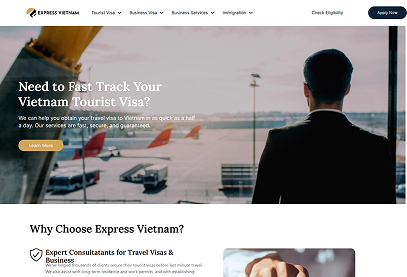
TRAVEL & VISA
HubSpot Onboarding and Integration for a State-Owned Visa Company - Express Vietnam.
Search, Instagram, and partner referrals bring travelers in, with the source recorded at first touch. Most enquiries arrive after a friend posts a photo.
Fitness, dates, and experience level are captured once, then a follow-up sequence carries the decision. The consultation decides whether the trip is a real fit.
Waivers, packing detail, and meeting points go out on a schedule tied to the departure date. Waivers and packing detail are where operations get caught out.
Feedback, photos, and the next expedition offer keep a returned traveler in the pipeline.
Instant acknowledgement, an owner by destination, and a follow-up at 24 hours if no call is booked. Anyone who books exits the sequence at once.
A targeted push when a departure is below capacity, with the seats left shown honestly. The campaign names the departure and the seats left.
A check-in at two days, a question about what stalled at five, and an agent task at seven. A missing waiver raises a task inside 72 hours.
Packing, waivers, fitness notes, and meeting points at 30, 14, and 3 days before departure. Feedback requests land while the trip is still fresh.
A task for anyone with an unsigned waiver inside 72 hours of departure. Past travelers hear about the next season first.
A review request after return, with negative responses routed to the operations lead first.
The next season's departures offered to past travelers before public release.
Certified platform expertise, with a track record across travel agency workflows and operations-led businesses.
Built around your departure calendar, guide structure, and waiver process. No generic templates.
Multi-step workflows and conditional logic built for date-driven communication.
Clean imports from booking software or spreadsheets, with traveler history intact.
An in-house team connecting HubSpot to your booking, payment, and waiver systems.
Continuous refinement as routes and seasons change.
Adventure travel collects some of the most sensitive detail in tourism: medical declarations, fitness notes, passport data, and emergency contacts. The work is separation. Medical declarations and waivers stay in the operations system, and the CRM carries the enquiry and the communication record.

Not every operator needs every hub, and most start with Marketing and Sales before adding Service. Here is how each one lines up with a departure-led business.
Your acquisition engine: destination campaigns, landing pages, and nurture built for a research cycle measured in months. Trip campaigns run from the same enquiry record.
Built for the enquiry pipeline and the seat-filling conversation, where timing decides the departure. Each enquiry carries an owner and a response window.
Where pre-departure questions, changes, and post-trip requests get tracked. Operations sees the history before the call. Most operators start with Marketing and Sales, then add Service as volume grows.
Powers trip pages and guide content with built-in SEO, so departures stay findable. Trip and guide pages get edited without a developer.
Connects booking, waiver, and payment systems, most valuable across several destinations. Departure data stays matched. Departure data stays matched across offices instead of drifting.
Yes. HubSpot for Adventure Travel Companies runs the commercial and communication side: trip enquiries, qualification, booking follow-up, pre-departure sequences, and post-trip feedback, while the booking system manages capacity. Most operators see the difference within the first season of live workflows.
It can. For expedition travel crm users, a targeted campaign goes to travelers whose stated interests match the trip, with the seats left shown honestly rather than as false urgency. Departure fill is tracked, so the improvement is measurable. Every workflow is tested before it reaches a traveler.
Packing detail, waivers, fitness notes, and meeting points go out at 30, 14, and 3 days, and an unsigned waiver inside 72 hours raises a task. The sequence is matched to the trip type and fitness level.
A check-in at two days, a question about what stalled at five, and an agent task at seven, which is where most abandoned bookings are recovered. Nothing is assumed native until the connector is confirmed.
Those documents stay in the operations system, access is role-based, and the CRM keeps only what is needed to communicate. Medical detail never lives in the CRM.
Often through an API or middleware. Departure and traveler data cross over, and the sync direction is scoped first. That is how cost per booking becomes visible.
Yes. Destinations, trip types, and departure dates are properties, so campaigns and reminders differ by trip rather than by memory. We map which fields may hold medical data before launch.
Most run four to eight weeks, depending on integrations and how much traveler history needs migrating. Documents stay in the operations system. The CRM carries coordination, not declarations.
Ready to Fill More Departures With HubSpot?
A departure is four seats short and the season is already open. We build around your calendar, your guides, and the way your office actually works. No generic setup, and no departure left to fill itself. A season is a short window, and the operators who fill it are the ones who replied first.