



-2.png)

-2.png)

.png)


.webp)
.png)







.png)




-1.webp)
-1.webp)

.webp)
-1-1.webp)

-2.webp)
-1-1.webp)
-2-1.png)
-1-1.webp)
-1-1.webp)
-1-1.png)




.webp)
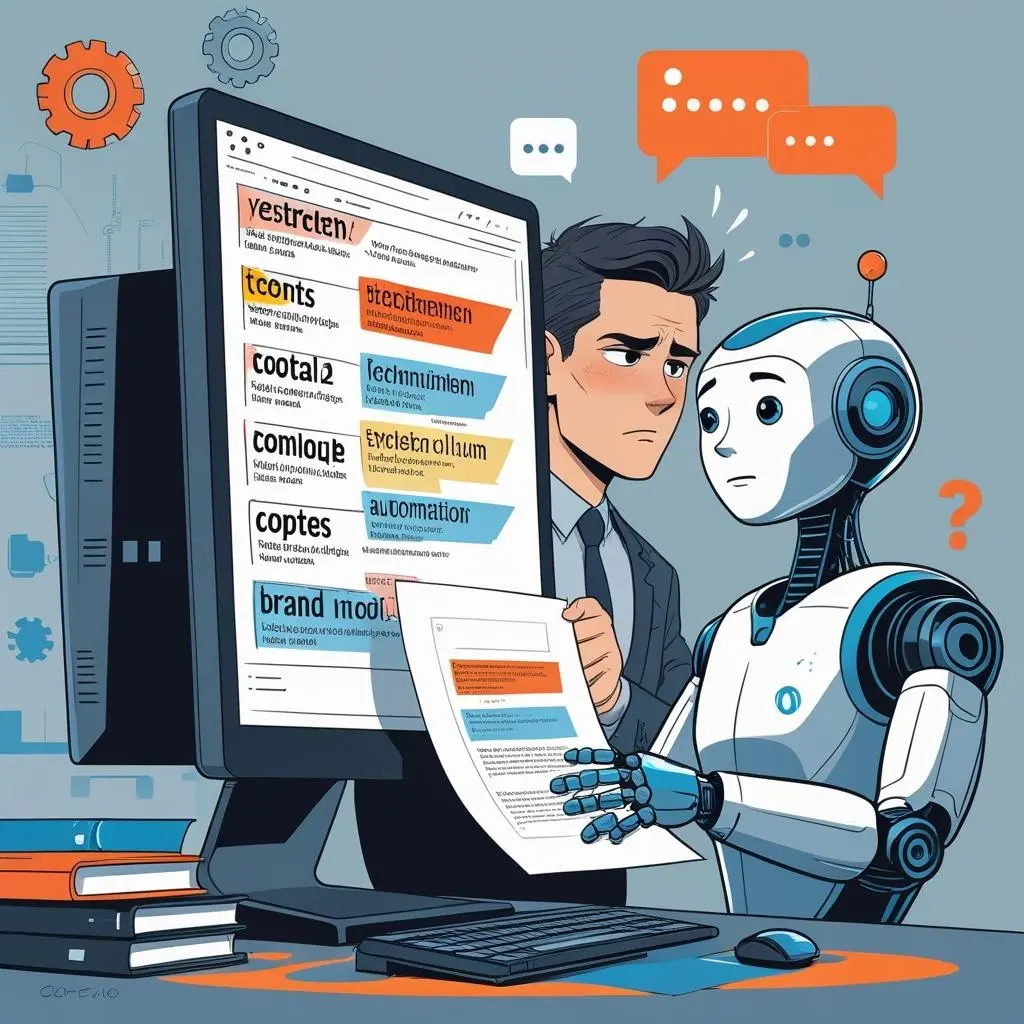
What Challenges Might You Face with AI?
How Can You Train AI Effectively?
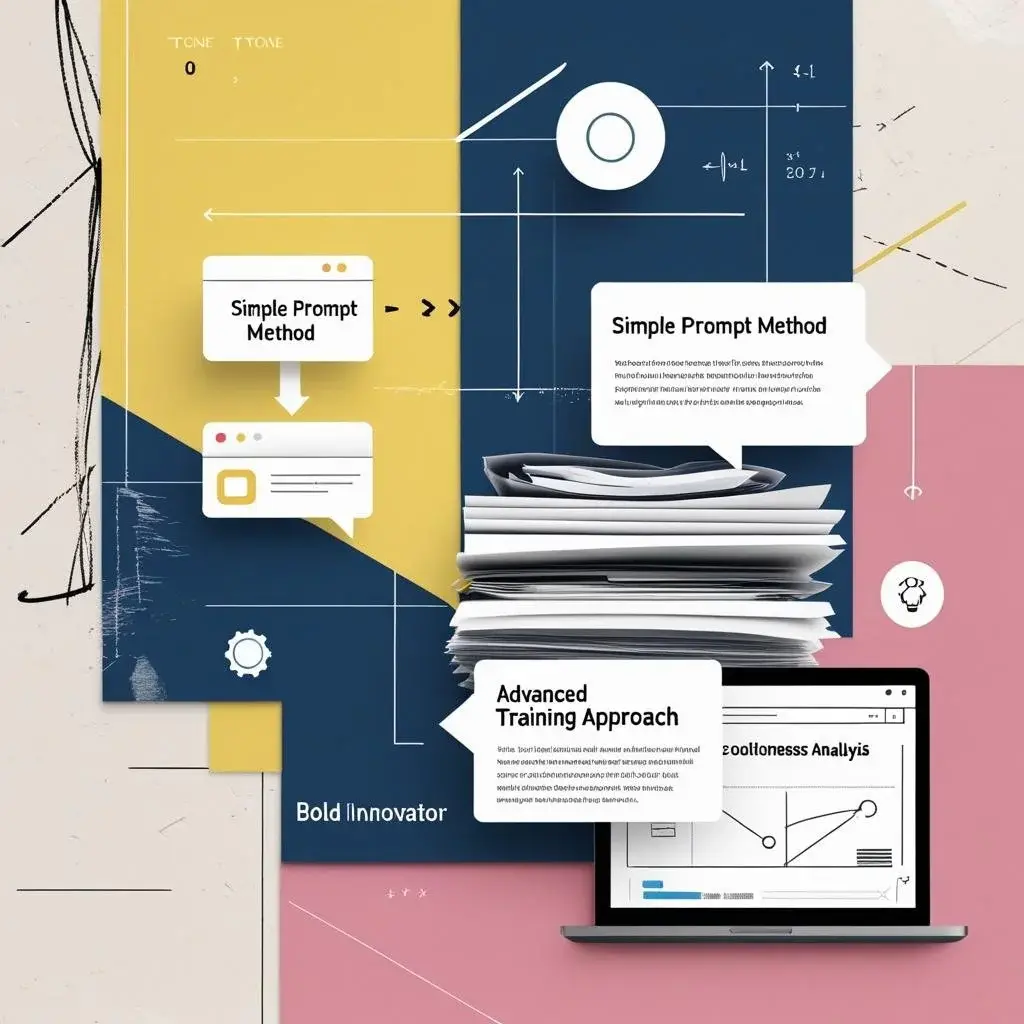
Simple Prompt Method
Advanced Training Approach
How can you achieve more consistent and nuanced results? Providing multiple examples gives AI a deeper understanding of your style. Try these steps:
- Explain the content’s purpose (e.g., “Write a blog post to educate customers”).
- Share at least three samples, like blog articles or emails, each over 1,000 words.
- Name the style, such as “Eco-Innovator,” for easy reference.
- Ask the AI to generate content in that style.
- Review and refine the output.
Why does this work? More examples help AI capture subtle nuances, like sentence structure or emotional tone. For instance, a B2B company might share whitepapers to ensure a professional voice. How many examples would you provide to train AI effectively? More data typically leads to better alignment.
Automated Tools
Best Practices for AI Copywriting
.webp)
How can you ensure AI produces on-brand copy consistently? Here are seven best practices, inspired by Forward Forty and HubSpot, to guide your approach:
- Set a Clear Goal: Define the purpose, like informing or persuading. Clear goals focus the AI’s output.
- Provide Examples: Share blog posts or social media captions to anchor the AI to your style. Examples give context for accuracy.
- Specify Tone and Style: State the desired tone, like “friendly” or “bold.” This reduces ambiguity, as Optimizely notes.
- Iterate and Refine: Adjust prompts based on output. Iteration improves accuracy over time.
- Personalise the Output: Edit AI content to add your unique touch. Human oversight ensures authenticity.
- Be Specific: Request specific formats, like a social post or table. Detailed prompts yield better results.
Table
.webp)
Practical Example
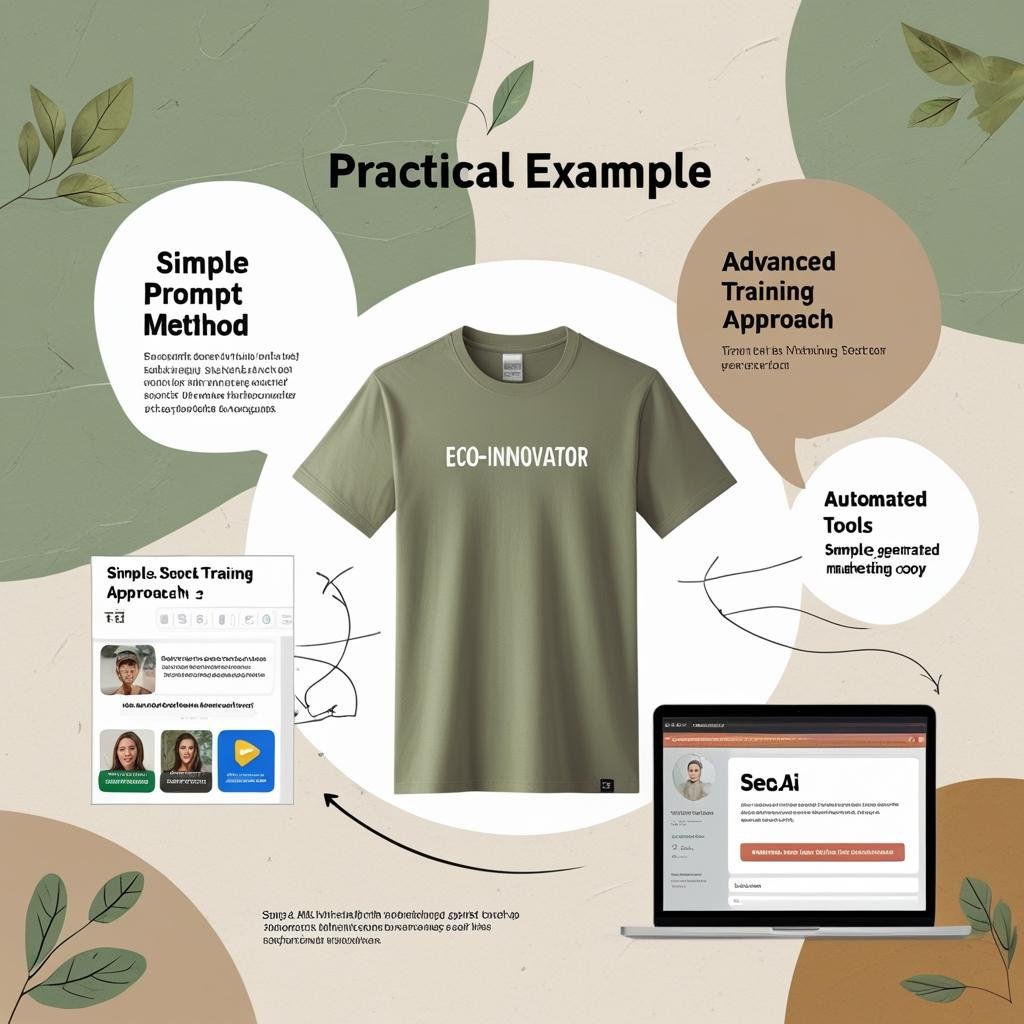
Let’s bring this to life. Imagine you run a sustainable fashion startup with an eco-conscious, innovative voice. How would you train AI to write a product description for an organic cotton T-shirt? You could:
- Simple Prompt Method: Share a blog post about your sustainable practices and ask AI to define the tone, then use it to write the description.
- Advanced Training Approach: Provide three blog posts, a social media campaign, and a testimonial, naming the style “Eco-Innovator.” Prompt the AI: “Write a product description in the Eco-Innovator style for an organic cotton T-shirt targeting millennials.”
- Automated Tools: Input your website URL into a platform like SEO.ai, select “millennials” as the audience, and let it suggest a tone.
The AI might produce: “Meet our organic cotton T-shirt—crafted with love for the planet and designed to inspire. Soft, sustainable, and stylish, it’s your go-to for making a difference.” How would you refine this? Adding specific details, like the T-shirt’s features or a call to action, could make it even stronger.
Additional Tips
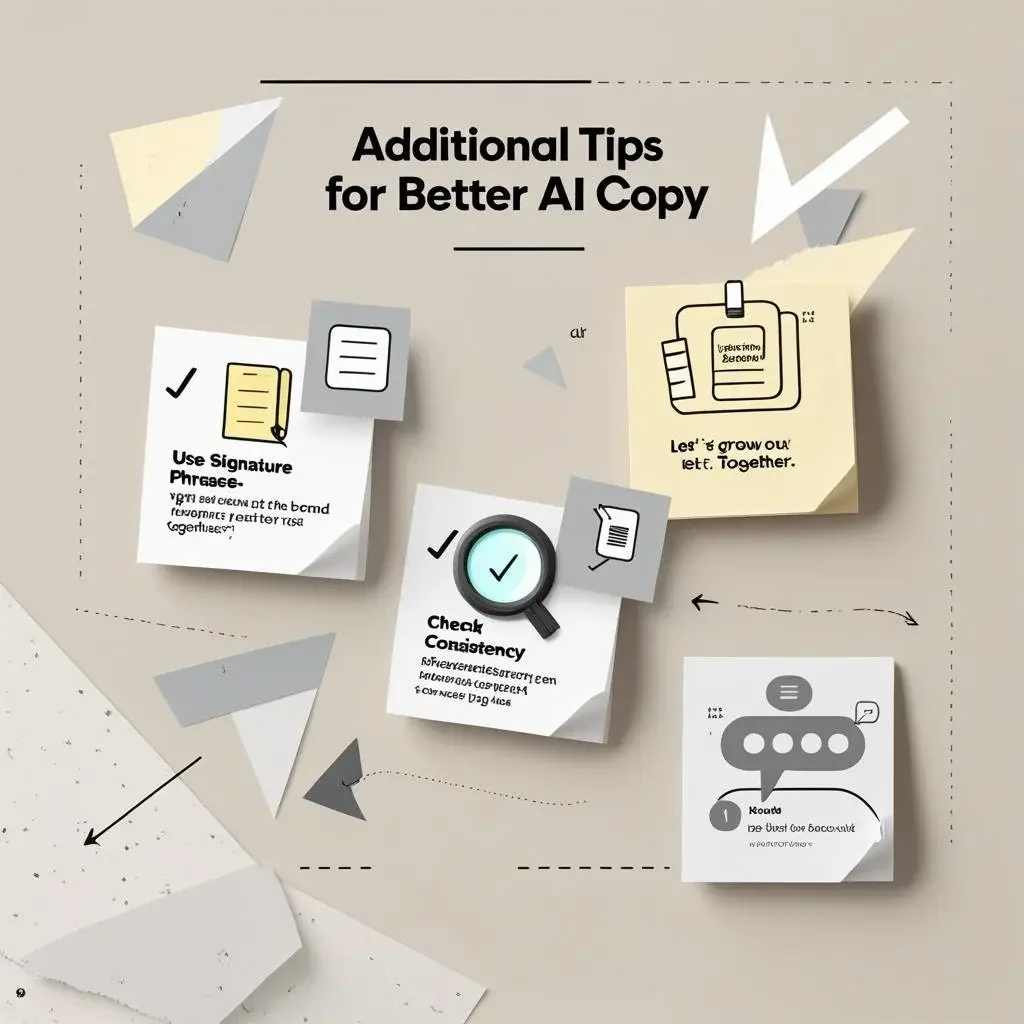
What else can you do to ensure success? Consider these insights:
- Use Signature Phrases: Include your brand’s unique phrases to mirror your style, as Forward Forty suggests.
- Check Consistency: Analyze batches of content for tone consistency to maintain a unified voice.
- Leverage Feedback: Treat AI like a team member, providing ongoing feedback to refine its output, as HubSpot recommends.
How might these tips fit into your strategy? For example, using signature phrases could make AI content feel more authentic.
Conclusion
Founder & CEO @ Hubxpert. My goal is to make every company using HubSpot succeed in their marketing organisation and automation.

Ratul Rahman
Table of Contents:

Subscribe to our newsletter

Modern Website Design Examples & What Makes Them Work
Browse modern website design examples and modern looking websites, and see exactly what separates a fast, current site from one that already feels dated.

Interactive Web Design Templates & Examples to Study
See interactive web design templates and the best interactive web design inspiration, then compare interactive web page design examples before you build.

Interactive Elements in Web Design & Where to Stop
Add interactive elements in web design that earn their place, covering micro interactions, interactive maps, interactive timelines and knowing when to stop.

3D Web Design Templates & Examples You Can Reuse
Browse 3D web design templates and examples, plus where to find free downloads, and see how 3D web page design lifts a site without slowing the site down.

3D Web Design Tools & Software Compared for 2026
Compare 3D web design tools and web based 3D design software, and see where 3D models and 3D assets for web design fit your existing front-end build pipeline.

HubSpot Onboarding Cost: What the Fee Really Covers
See what HubSpot onboarding cost covers, how onboarding fees get quoted and how to compare implementation quotes line by line before you commit to a partner.
-
Modern Website Design Examples & What Makes Them Work
hello
-
Interactive Web Design Templates & Examples to Study
hello
-
Interactive Elements in Web Design & Where to Stop
hello
-
3D Web Design Templates & Examples You Can Reuse
hello
-
3D Web Design Tools & Software Compared for 2026
hello
-
HubSpot Onboarding Cost: What the Fee Really Covers
hello