

-2.png)

-2.png)

.png)
.webp)
.png)

.png)



-1.webp)
-1.webp)

.webp)
-1-1.webp)

-2.webp)
-1-1.webp)
-2-1.png)
-1-1.webp)
-1-1.webp)
-1-1.png)





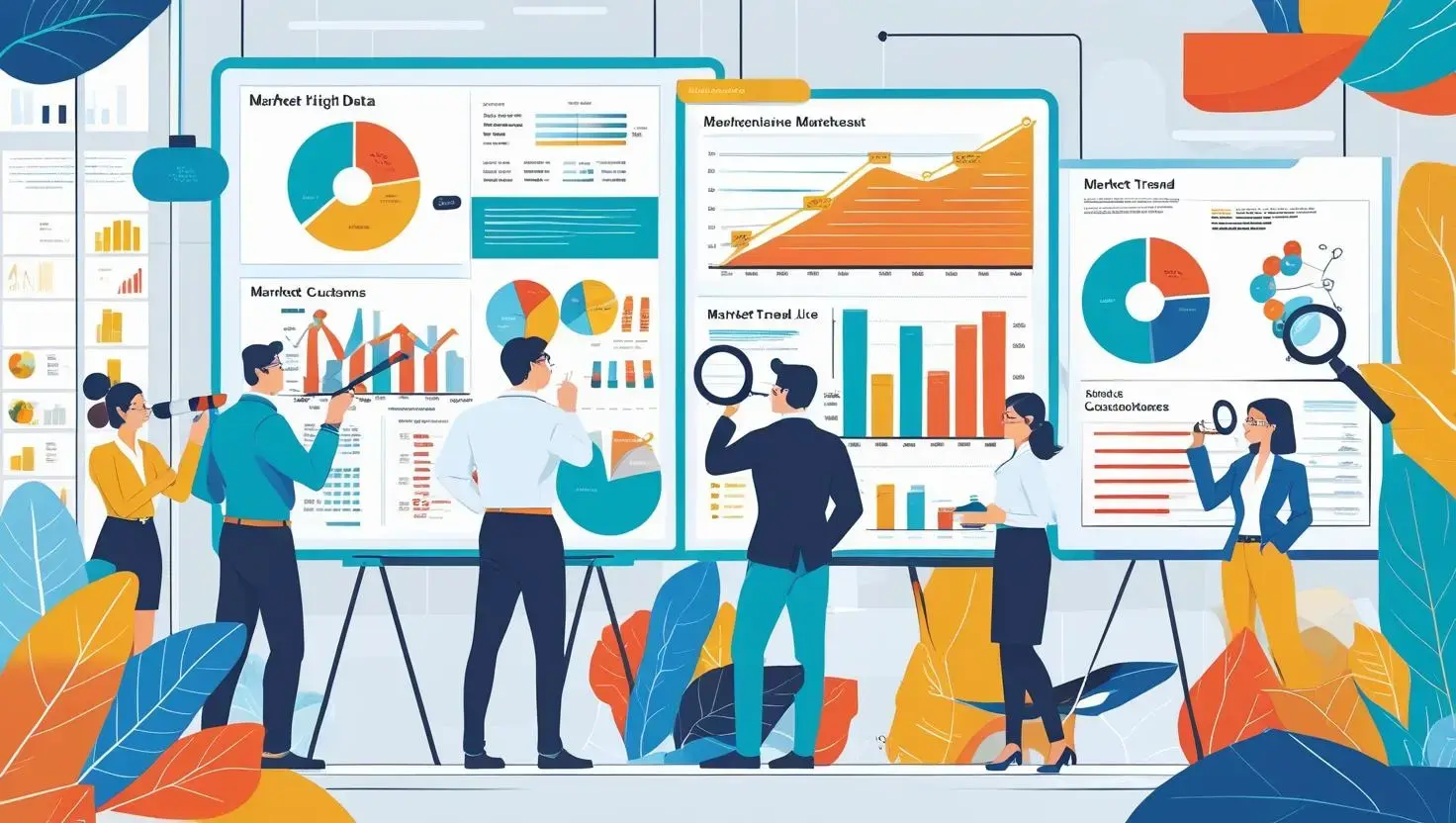
Market research is the systematic process of gathering, analysing, and interpreting information about a market to inform strategic decisions. Whether you’re a small business owner exploring a new product idea or a marketing manager aiming to refine your campaigns, market research can guide you toward success. In this detailed guide, we’ll explore the steps, methods, and tools needed to conduct effective market research, asking questions to help you reflect on how these insights apply to your goals. Let’s dive in—what’s the first thing you’d want to learn about your market?
Understanding Market Research
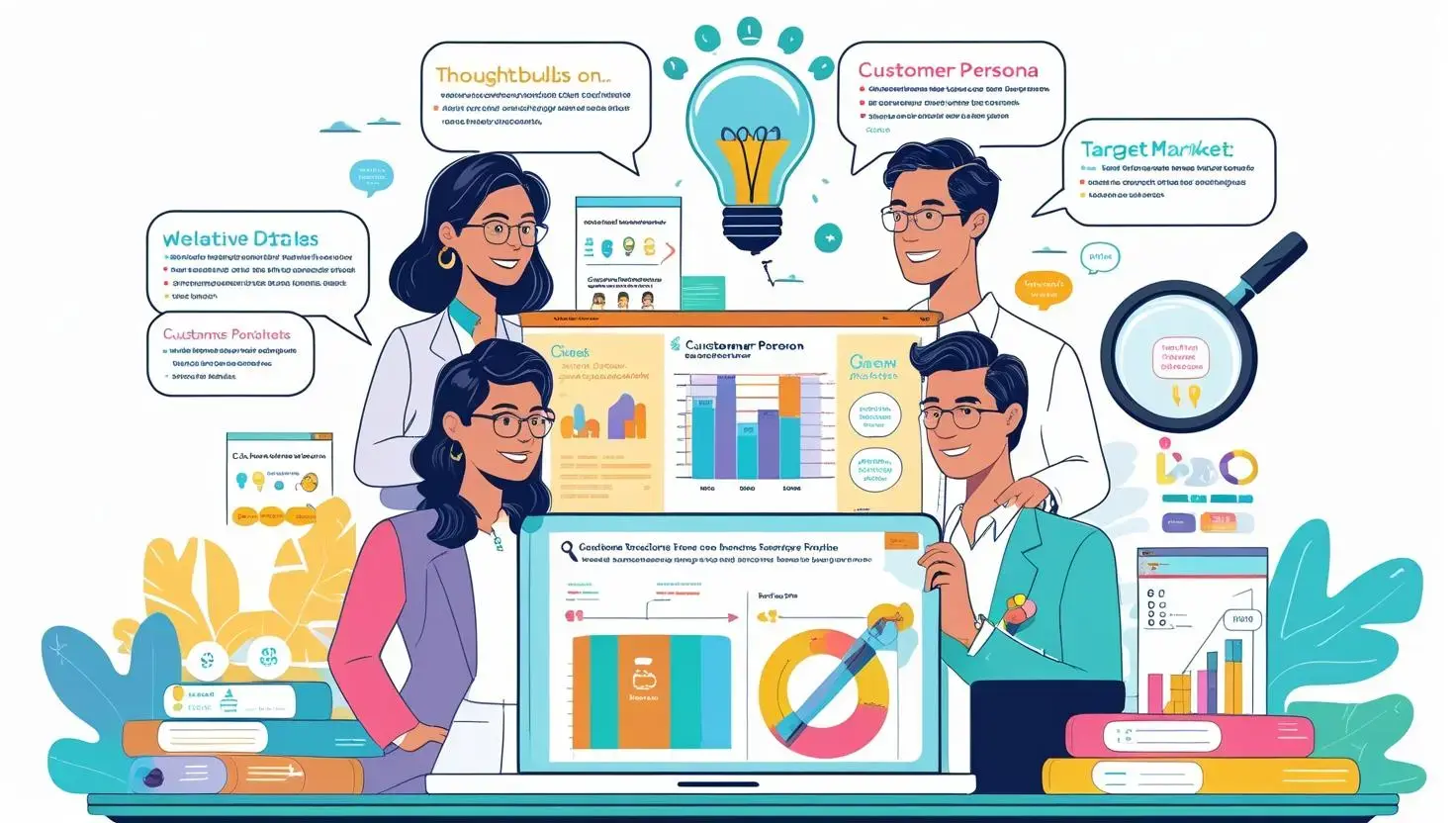
What is Market Research?
Imagine you’re opening a café in your town. How do you know what drinks customers will love or what prices they’re willing to pay? Market research answers these questions by collecting data about your target audience, competitors, and market environment. It’s like having a conversation with your market to understand its needs and opportunities. What specific information would you need to make confident business decisions?
Market research can be broken into two main types:
- Primary Research: This involves collecting original data directly from sources, such as through surveys, interviews, or focus groups. It’s tailored to your specific needs but can be time-intensive. When might you need firsthand insights from your customers
- Secondary Research: This uses existing data from sources like industry reports, government statistics, or competitor websites. It’s cost-effective and quick but may not address your exact questions. How could existing data help you get started?
Why is Market Research Important?
Why do some businesses seem to meet customer demands while others falter effortlessly? Market research provides clarity, reducing the risks of costly missteps. According to the Market Research Society, businesses that regularly conduct research are more likely to identify growth opportunities. It helps you:
- Understand Customers: Learn their preferences, behaviours, and pain points to tailor your offerings.
- Spot Opportunities: Identify market gaps or emerging trends to stay ahead.
- Assess Competitors: Understand their strengths and weaknesses to differentiate your brand.
- Minimise Risks: Make data-driven decisions to avoid launching products or campaigns that fall short of expectations.
What risks might your business face without a clear understanding of your market?
Steps to Conduct Market Research
.webp)
Step 1: Define Your Objective
Step 2: Develop a Research Plan
How will you gather the information you need? A research plan outlines your approach, including:
- Type of Research: Will you use primary, secondary, or both? Primary might involve surveying customers, while secondary could mean reviewing industry reports from Statista.
- Target Audience: Who are you researching? Define demographics like age, location, or interests. For the fitness app, you might target 18-30-year-olds who exercise regularly.
- Methods: Choose data collection methods (surveys, interviews, etc.) based on your objective and budget.
- Timeline and Budget: Set realistic deadlines and allocate resources. How much time and money can you invest?
What resources do you have available to plan your research effectively?
Step 3: Collect Data
What’s the best way to gather insights from your audience or market? Data collection methods vary depending on your research type:
- Primary Methods:
- Surveys: Use tools like SurveyMonkey to create online questionnaires. Keep questions clear and mix multiple-choice with open-ended ones.
- Interviews: Conduct one-on-one discussions for in-depth insights. Prepare questions but allow flexibility for follow-ups.
- Focus Groups: Gather 6-10 participants for moderated discussions to explore attitudes. How might group dynamics reveal unique perspectives?
- Observations: Watch customer behaviour in natural settings, like how shoppers navigate a store.
- Secondary Methods:
- Review industry reports, competitor websites, or government data from sources like UK Office for National Statistics.
- Analyse social media trends using tools like Hootsuite.
Ensure ethical practices, such as obtaining consent for primary research. What data collection method feels most feasible for your business?
Step 4: Analyse Data
How do you turn raw data into meaningful insights? Analysis depends on whether your data is quantitative (numerical) or qualitative (descriptive):
- Quantitative Analysis: Use tools like Excel or Tableau to calculate averages, identify trends, or run statistical tests. For example, survey results might show 70% of respondents prefer a specific feature.
- Qualitative Analysis: Identify themes in interview transcripts or focus group notes. Tools like NVivo can help organise qualitative data.
- Triangulation: Cross-check findings from multiple sources to validate results. How might combining survey data with competitor analysis strengthen your conclusions?
What patterns or surprises might you expect in your data?
Step 5: Present Findings
How will you share your insights with stakeholders or your team? Clear presentation ensures your research drives action:
- Reports: Write a detailed report with visuals like charts or graphs to highlight key points.
- Presentations: Use slides to summarise findings for meetings, focusing on actionable insights.
- Dashboards: Create interactive dashboards with tools like Tableau for ongoing monitoring.
Include recommendations based on your findings. For the fitness app, you might suggest adding a social feature if research shows users value community. How would you communicate your findings to inspire action?
Step 6: Apply Findings
What decisions will your research inform? The ultimate goal is to use insights to guide strategy:
- Product Development: Refine features or develop new offerings based on customer feedback.
- Marketing: Tailor campaigns to audience preferences, like targeting eco-conscious consumers with sustainable messaging.
- Pricing: Set prices based on willingness-to-pay data.
- Market Entry: Decide whether to enter a new market based on demand and competition.
Regular research keeps your strategies relevant. What business decision could benefit from your research insights right now?
Analysing and Interpreting Data
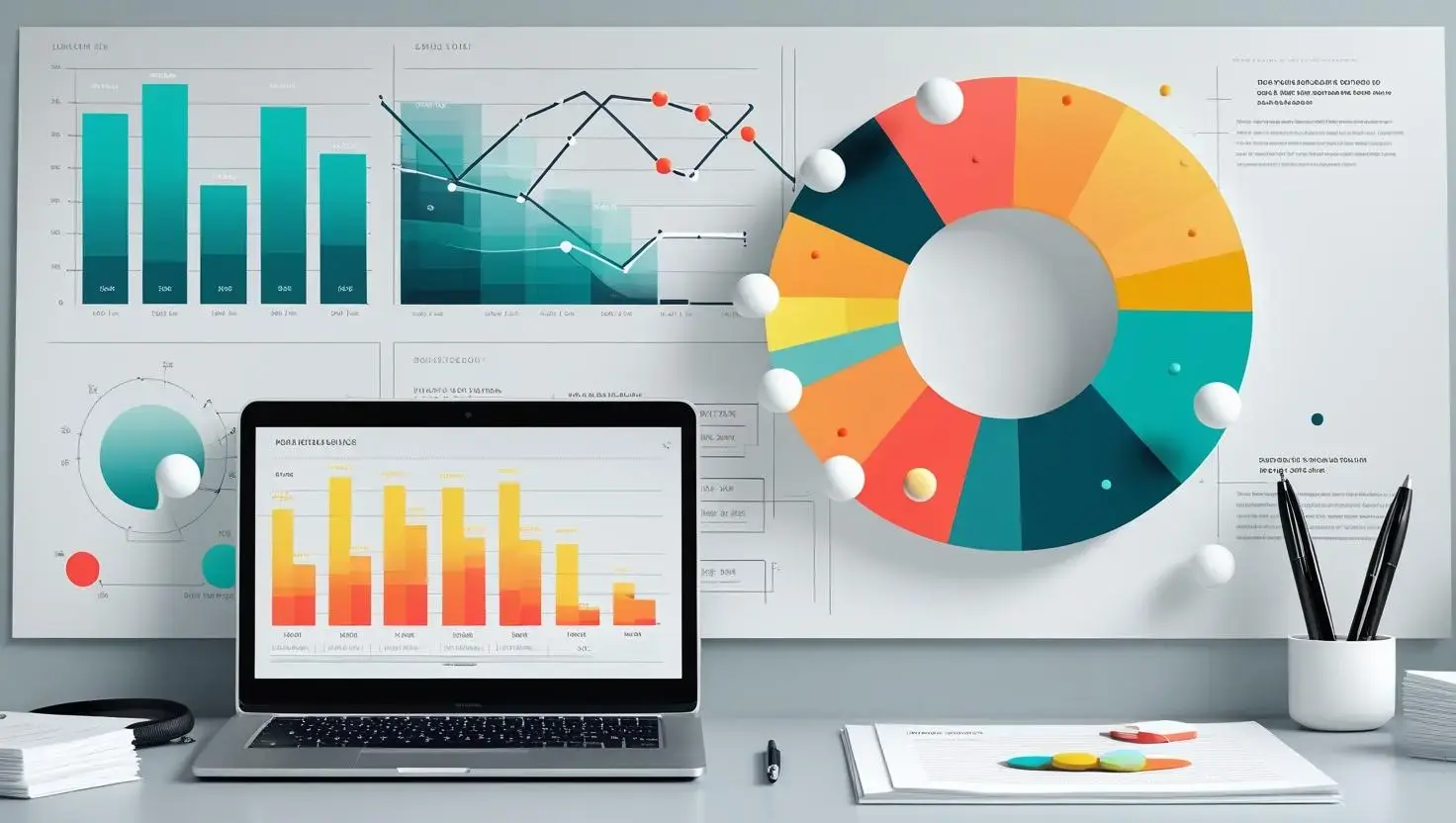
How do you make sense of the data you’ve collected? Analysis turns numbers and words into actionable insights:
- Quantitative: Use statistical tools to find patterns. For instance, if 60% of survey respondents prefer online shopping, that’s a clear trend. Software like SPSS or Excel can help.
- Qualitative: Look for recurring themes in interviews or focus groups. If multiple participants mention “convenience” as a priority, that’s a key insight. Tools like NVivo can organise this data.
- Interpretation: Relate findings to your objective. If your goal was to assess product demand, do the data suggest a viable market? Be cautious of biases, like assuming all respondents represent your entire audience.
Applying Findings to Business Decisions
.webp)
How can you turn insights into action? Market research isn’t just about collecting data—it’s about using it to drive results. Consider these applications:
- Product Development: If research shows customers want eco-friendly packaging, could you adapt your product line?
- Marketing: If data reveals your audience prefers video content, might you shift budget to video ads?
- Customer Experience: If feedback highlights slow service, how could you improve operations?
%201%20(1).svg)
Winner
SalesForce, for its ability to handle large-scale operations and complex business needs, though HubSpot is scalable for SMBs.
Common Mistakes to Avoid

What pitfalls might derail your research? Even well-planned studies can falter if you’re not careful:
- Biased Questions: Asking “Don’t you love our product?” skews responses. Use neutral phrasing like “What’s your opinion of our product?”
- Small Sample Size: Surveying only 10 people may not reflect your market. Aim for a representative sample.
- Ignoring Secondary Research: Skipping existing data can waste resources. Start with sources like Statista.
- Not Acting on Findings: Collecting data without implementing changes is futile. Plan how to use insights from the start.
Winner
SalesForce, for its ability to handle large-scale operations and complex business needs, though HubSpot is scalable for SMBs.
Case Studies
What can real-world examples teach us about market research? Here are two cases to spark reflection:
- Netflix: By analysing viewing data and conducting surveys, Netflix tailors content to viewer preferences, producing hits like Stranger Things. How might data-driven content decisions apply to your business?
- Coca-Cola’s New Coke: Taste tests suggested a new formula would succeed, but emotional attachment to the original was overlooked, leading to a swift reversal. What qualitative factors might your research need to consider?
Winner
SalesForce, for its ability to handle large-scale operations and complex business needs, though HubSpot is scalable for SMBs.
Conclusion
Winner
SalesForce, for its ability to handle large-scale operations and complex business needs, though HubSpot is scalable for SMBs.
Founder & CEO @ Hubxpert. My goal is to make every company using HubSpot succeed in their marketing organisation and automation.

Ratul Rahman
Table of Contents:

Subscribe to our newsletter

Modern Website Design Examples & What Makes Them Work
Browse modern website design examples and modern looking websites, and see exactly what separates a fast, current site from one that already feels dated.

Interactive Web Design Templates & Examples to Study
See interactive web design templates and the best interactive web design inspiration, then compare interactive web page design examples before you build.

Interactive Elements in Web Design & Where to Stop
Add interactive elements in web design that earn their place, covering micro interactions, interactive maps, interactive timelines and knowing when to stop.

3D Web Design Templates & Examples You Can Reuse
Browse 3D web design templates and examples, plus where to find free downloads, and see how 3D web page design lifts a site without slowing the site down.

3D Web Design Tools & Software Compared for 2026
Compare 3D web design tools and web based 3D design software, and see where 3D models and 3D assets for web design fit your existing front-end build pipeline.

HubSpot Onboarding Cost: What the Fee Really Covers
See what HubSpot onboarding cost covers, how onboarding fees get quoted and how to compare implementation quotes line by line before you commit to a partner.
-
Modern Website Design Examples & What Makes Them Work
hello
-
Interactive Web Design Templates & Examples to Study
hello
-
Interactive Elements in Web Design & Where to Stop
hello
-
3D Web Design Templates & Examples You Can Reuse
hello
-
3D Web Design Tools & Software Compared for 2026
hello
-
HubSpot Onboarding Cost: What the Fee Really Covers
hello