



-2.png)

-2.png)

.png)

.webp)

.png)


.png)







-1.webp)
-1.webp)

.webp)
-1-1.webp)


-2.webp)
-1-1.webp)

-2-1.png)
-1-1.webp)
-1-1.webp)
-1-1.png)





What is Marketing ROI?
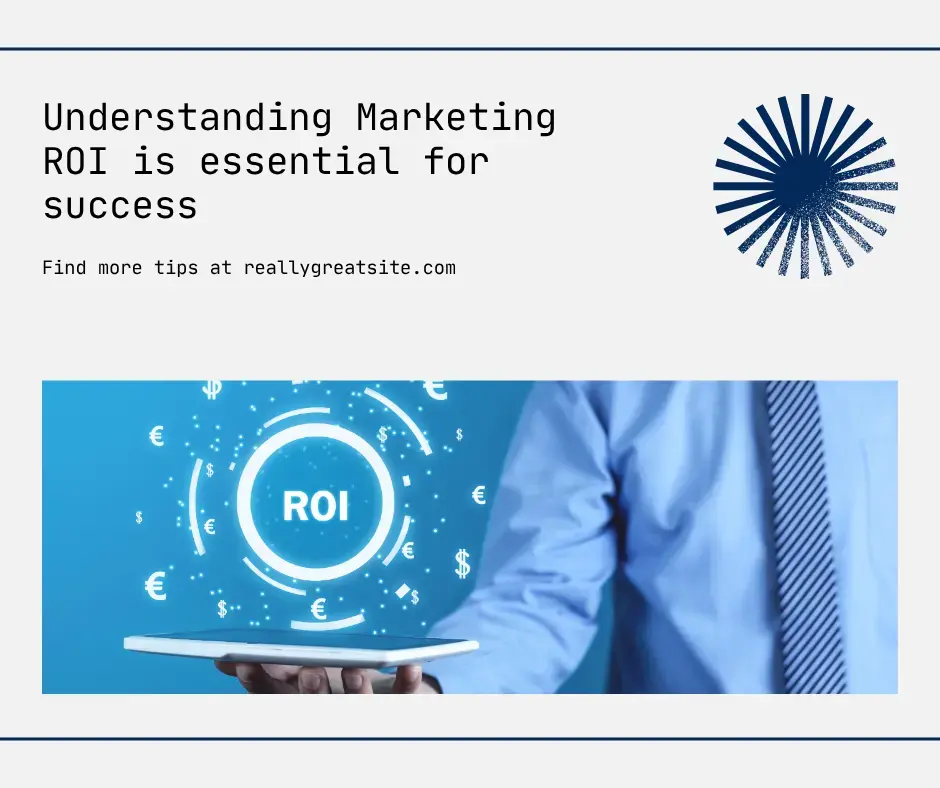
Have you ever considered how businesses decide if their marketing campaigns are worth the money spent? Marketing ROI, or return on investment, is a metric that quantifies the profitability of marketing activities by comparing the revenue or profit generated to the costs incurred. It’s like asking, “For every dollar I spend on marketing, how much do I get back?” According to industry insights, a typical marketing ROI is around a 5:1 ratio—$5 in revenue for every $1 spent—while a 10:1 ratio is exceptional, and anything below 2:1 may not be profitable due to production and distribution costs
Why do you think this metric is so important? It helps justify marketing budgets, guides resource allocation, and informs strategic decisions. But is it just about immediate sales, or could it also reflect long-term benefits like brand loyalty?
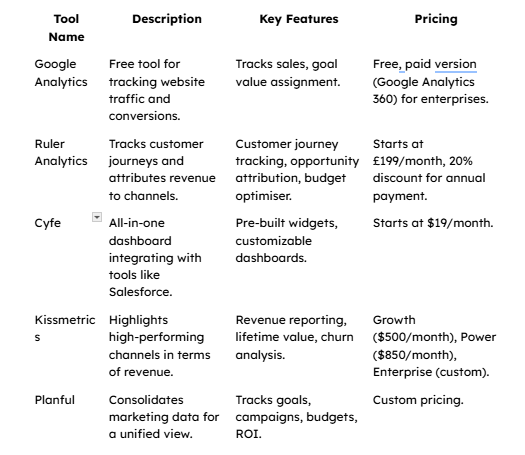
Tools for Measuring Marketing ROI
Case Studies: Real-World Success

Challenges in Measuring Marketing ROI
Measuring marketing ROI isn’t always straightforward. Have you considered what might make it difficult? Common challenges include:
- Simplistic Measurements: Basic formulas may not capture the full customer journey.
- Short-Term Focus: Focusing only on immediate sales can overlook brand-building effects.
- Omnichannel Complexity: Tracking interactions across multiple platforms is challenging.
- Multiple Touchpoints: Customers often engage with 6-10 touchpoints before purchasing, complicating attribution.
How might these challenges affect your ability to justify marketing budgets? Using advanced attribution models and long-term metrics like CLV can help address these issues.
Best Practices for Improving Marketing ROI
How can you ensure your marketing efforts yield the best returns? Consider these strategies:
- Establish Clear Goals: Define objectives like increasing brand awareness or lead generation.
- Accurately Determine Costs: Include creative, personnel, agency fees, and overhead costs.
- Leverage Analytics Platforms: Use tools to gain insights into campaign performance.
- Regularly Review Strategies: Adjust campaigns based on performance data.
- Focus on High-ROI Channels: Allocate resources to channels like email marketing, which can yield up to 675% ROI (Mayple).
Latest Trends in Measuring Marketing ROI
Conclusion
Founder & CEO @ Hubxpert. My goal is to make every company using HubSpot succeed in their marketing organisation and automation.

Ratul Rahman
Table of Contents:

Subscribe to our newsletter
Do You Need a Healthcare-Specific CRM, or HubSpot?
Some practices outgrow HubSpot. Most don't. Here is the real threshold test, and where a healthcare-specific CRM actually wins.
Referral Tracking Software or Your CRM? A Healthcare Guide
HubSpot has no native referral object. Here is how referral tracking actually gets built inside a CRM, and when you need dedicated software instead.

HubSpot at Enterprise Scale: Fix Pipeline Velocity First
Slow pipeline velocity often gets blamed on HubSpot outgrowing enterprise needs. Here's how to diagnose the real cause before a costly Salesforce migration.
Syncing Invoices Between HubSpot & Your Accounting Software
A healthcare CRM tracks inquiries as records, moves them through a visible pipeline, and automates the follow-up. Here is how.

CRM for Healthcare: How It Actually Works Day to Day
A healthcare CRM tracks inquiries as records, moves them through a visible pipeline, and automates the follow-up. Here is how.

HubSpot EHR CRM Integration: What Actually Syncs
No native HubSpot EHR connector exists yet. Here is how EHR CRM integration really works, and what should never sync.
-
Do You Need a Healthcare-Specific CRM, or HubSpot?
hello
-
Referral Tracking Software or Your CRM? A Healthcare Guide
hello
-
HubSpot at Enterprise Scale: Fix Pipeline Velocity First
hello
-
Syncing Invoices Between HubSpot & Your Accounting Software
hello
-
CRM for Healthcare: How It Actually Works Day to Day
hello
-
HubSpot EHR CRM Integration: What Actually Syncs
hello