



12 Best Client Collaboration Tools in 2026 (Compared & Reviewed)
Most client collaboration problems don’t come from bad work. They come from scattered communication.
Feedback gets buried in email threads. Approvals disappear in Slack messages. Files live across five different tools. Eventually, someone says: “I thought that was already approved.”
That’s why client collaboration tools matter more than ever in 2026. The right platform can centralize communication, simplify approvals, improve transparency, and reduce project delays without overwhelming clients with complicated systems.
But here’s the catch: more tools do not automatically mean better collaboration. Many businesses create even more chaos by stacking disconnected apps together.
Let’s break down the best client collaboration tools in 2026, including which platforms work best for agencies, freelancers, creative teams, and growing businesses. Plus where tools like HubSpot fit into modern client workflows.What Are Client Collaboration Tools?
Client collaboration tools are platforms that help businesses and clients work together in one organized space instead of relying on scattered emails, spreadsheets, and messaging apps.
They combine communication, project tracking, file sharing, approvals, feedback, and task management into a more structured workflow. Depending on the tool, clients can:
- Review project updates
- Approve designs or content
- Upload files and documents
- Leave comments & feedback
- Track timelines and deliverables
- Communicate with internal teams
- Access shared dashboards or portals
Some platforms focus heavily on project management, like Asana or ClickUp. Others specialize in communication, visual feedback, documentation, or CRM-driven collaboration.
The goal is simple!
Reduce friction between your team and your clients.
In 2026, client collaboration software is no longer just a “nice-to-have” productivity upgrade.
For agencies, consultants, SaaS teams and service businesses, it has become part of the client experience itself.
Why Client Collaboration Tools Matter More Than Ever in 2026
Client expectations have changed fast over the last few years. People no longer want slow email chains, unclear timelines, or scattered updates across multiple platforms. They expect fast communication, transparency, and a smoother digital experience.
At the same time, remote work, global teams, freelancers, and AI-powered workflows have made collaboration more complex than ever. Most businesses are now managing clients across multiple time zones, tools, and communication channels simultaneously.
The Cost of Bad Communication
Poor collaboration creates expensive problems:
- Missed approvals
- Delayed projects
- Duplicate work
- Confusing feedback
- Frustrated clients
- Revenue loss from avoidable mistakes
In many agencies, the real bottleneck is not execution. It’s waiting for feedback, finding the latest file version, or clarifying conversations that should have been documented properly from the start.
The Shift From Email to Centralized Workspaces
Email is still important, but it’s no longer enough to manage modern client relationships. Businesses are moving toward centralized collaboration platforms where communication, files, approvals, and project tracking live together in one place.
This reduces context switching and gives both teams and clients a clearer view of what’s happening.
AI & Automation Are Changing the Game
AI-powered collaboration tools are also reshaping workflows in 2026. Many platforms now automate repetitive tasks like:
- Meeting summaries
- Task creation
- Follow-up reminders
- Approval routing
- Content organization
- Status updates
The result is faster project delivery with less manual coordination.
The companies gaining the biggest advantage are not necessarily using the most tools. They’re using the right systems to remove friction from the client experience.
What to Look for in a Client Collaboration Tool
Not every client collaboration platform solves the same problem. Some are built for communication. Others focus on project management, approvals, documentation, or CRM visibility.
The best choice depends on your workflow, your clients, and how your team actually operates day to day.
Here are the most important things to evaluate before choosing a platform.
Easy to Use
If clients need training just to leave feedback, adoption will fail quickly. The best client collaboration tools feel intuitive for both internal teams and external clients.
Simple onboarding almost always beats feature overload.
Real-Time Communication
Fast communication reduces delays and confusion. Look for tools that support:
- Instant messaging
- Comments and mentions
- Notifications
- Shared discussions
- Live updates
Platforms like Slack are especially strong for this.
File Sharing & Document Collaboration
Clients constantly review proposals, designs, contracts, content drafts, and reports. Good collaboration software should make file access simple without endless attachment hunting.
Version control and collaborative editing are major advantages here.
Task & Project Management
The platform should help everyone understand:
- What’s being worked on
- Who owns each task
- What’s pending approval
- Which deadlines matter
Tools like Asana and monday.com are strong in structured project visibility.
Role-Based Permissions
Clients should only see what’s relevant to them. Good permission settings prevent confusion while protecting sensitive internal information.
This becomes especially important for agencies managing multiple clients simultaneously.
Integrations With Your Existing Stack
Your collaboration platform should work with the tools you already use, including:
- Meeting apps
- CRM systems
- Email platforms
- File storage tools
- Marketing software
- Automation platforms
Disconnected systems usually create more manual work instead of less.
Security & Data Protection
Client collaboration often involves contracts, financial data, strategy documents, and customer information. Look for platforms with strong security standards, user permissions, encryption, and compliance support.
AI Capabilities
AI features are becoming a serious productivity advantage in 2026. Many modern platforms now offer:
- Smart search
- Workflow recommendations
- AI-powered meeting notes
- AI summaries
- Automated task generation
Some tools implement this well. Others add AI mostly for marketing. Test carefully before committing.
Pricing That Scales With Your Team
Many collaboration tools look affordable at first but become expensive as your client base, storage needs, or automation requirements grow.
Always evaluate long-term pricing, not just the entry-level plan.
Types of Client Collaboration Tools (Quick Breakdown)
Not all client collaboration tools are built the same way. Some try to replace your entire workflow. Others solve one very specific problem extremely well.
Understanding these categories makes it much easier to choose the right platform, or combination of platforms, for your business.
All-in-One Platforms
These tools combine project management, communication, documents, dashboards, and automation into one system.
Best for: Agencies and teams that want fewer disconnected tools.
Examples include ClickUp and monday.com.
The advantage is centralized workflows. The downside is that all-in-one platforms can sometimes feel bloated if you only need one or two core functions.
Project Management Tools With Client Access
These platforms focus primarily on tasks, timelines, deliverables, and workflow visibility while allowing clients limited access.
Best for: Structured project delivery and deadline management.
Examples include Asana, Trello and Teamwork.
Client Portals
Client portals create a dedicated space where clients can access files, updates, invoices, reports, and communication in one secure environment.
Best for: Service businesses, consultants, and agencies managing ongoing client relationships.
Many CRM platforms, including HubSpot, now support client-facing portal experiences through integrations and custom workspaces.
Visual Feedback & Approval Tools
These tools specialize in collecting feedback directly on websites, designs, videos, or creative assets.
Best for: Web design agencies, creative studios, branding teams, and marketing departments.
Platforms like BugHerd and Planable reduce confusion by attaching feedback directly to the asset itself.
Knowledge Base & Document Tools
These platforms organize SOPs, documentation, onboarding materials, and shared resources.
Best for: Teams that collaborate heavily through documentation and async communication.
Notion is one of the strongest tools in this category.
Communication-First Platforms
These tools prioritize fast messaging and ongoing conversation instead of formal project management.
Best for: Real-time collaboration and quick decision-making.
Slack remains one of the most widely used client communication tools, especially with Slack Connect for external collaboration.
The 12 Best Client Collaboration Tools in 2026
There’s no single “perfect” client collaboration tool for every business. The best platform depends on your workflow, team size, client expectations, and how much complexity you actually need.
Some tools are excellent for structured project delivery. Others are better for approvals, documentation, or communication. A few try to combine everything into one workspace.
Here are the best client collaboration tools in 2026 based on real-world agency, freelancer, and service-business use cases.
1. ClickUp
Best all-in-one client collaboration tool
ClickUp has become one of the strongest all-in-one collaboration platforms for agencies and growing teams. It combines tasks, docs, chat, dashboards, whiteboards, automations, and client collaboration into a single workspace.
The biggest advantage is flexibility. Teams can manage campaigns, client onboarding, approvals, SOPs, and reporting without constantly jumping between tools.
Why users like it:
- Reduces tool sprawl
- Highly customizable workflows
- Strong automation capabilities
- Good visibility across projects and clients
- Built-in docs and collaboration tools
Where it struggles:
- Can feel overwhelming initially
- Requires setup discipline to avoid workspace chaos
Best for: Agencies, operations-heavy teams, scaling service businesses
2. Notion
Best for client-facing knowledge bases & document workflows
Notion works extremely well for teams that collaborate heavily through documentation, async communication, and shared knowledge.
Many agencies now use it as a client portal alternative for onboarding, strategy docs, meeting notes, content calendars, and SOP sharing.
Its clean interface makes collaboration feel less corporate and more organized compared to traditional project management software.
Why users like it:
- Excellent document collaboration
- Beautiful client-facing workspaces
- Flexible databases and templates
- Great for async communication
- Strong AI writing and organization features
Where it struggles:
- Limited advanced project management
- Can become messy without structure
Best for: Consultants, creative teams, strategy-focused agencies, content operations
3. HubSpot
Best for client collaboration tied to CRM data
Most collaboration tools focus on tasks and communication. HubSpot approaches collaboration differently by connecting everything to customer and CRM data.
This becomes extremely powerful for agencies managing marketing, sales, onboarding, support, and reporting inside one ecosystem. Instead of clients asking for updates manually, they can access dashboards, tickets, campaign performance, pipelines, and shared workspaces directly.
HubSpot is especially strong when client collaboration extends beyond project delivery into long-term relationship management.
Why users like it:
- Centralized client communication
- Shared reporting dashboards
- CRM-driven collaboration
- Strong automation capabilities
- Excellent integrations across marketing and sales workflows
Where it struggles:
- Can become expensive at scale
- Not ideal as a standalone creative approval tool
Best for: Growth agencies, B2B service businesses, revenue operations teams
4. Monday.com
Best for visual project tracking with client portals
monday.com focuses heavily on visual workflows, dashboards, and customizable workspaces.
It’s especially useful for businesses managing multiple moving parts across departments while still giving clients controlled visibility into progress.
The platform is approachable for non-technical users, which improves client adoption significantly.
Why users like it:
- Highly visual dashboards
- Flexible workflow setups
- Strong automation features
- Easy-to-understand reporting
- Good client visibility options
Where it struggles:
- Pricing scales quickly
- Advanced customization can become complex
Best for: Cross-functional teams, agencies, operations management
5. Slack
Best for real-time client chat
Slack changed how agencies and clients communicate online. Instead of relying on endless email threads, teams can create shared channels for faster conversations, updates, and decision-making.
With Slack Connect, businesses can securely collaborate with external clients directly inside shared workspaces.
Speed is both the biggest advantage and the biggest risk. Slack improves responsiveness dramatically, but without boundaries, communication can become noisy and distracting fast.
Why users like it:
- Instant communication
- Shared client channels
- Strong integrations
- Fast problem-solving
- Excellent for remote teams
Where it struggles:
- Important information gets buried easily
- Can create notification overload
Best for: Fast-moving agencies, SaaS teams, ongoing client communication
6. Asana
Best for clean, structured task management with clients
Asana remains one of the easiest project management tools for clients to understand quickly.
Its strength is clarity. Timelines, task ownership, approvals, dependencies, and deadlines are easy to follow without overwhelming non-technical clients.
Many agencies prefer Asana because it balances simplicity with enough structure to handle complex workflows.
Why users like it:
- Clean interface
- Strong task visibility
- Excellent workflow organization
- Good approval workflows
- Easy client onboarding
Where it struggles:
- Less flexible than ClickUp
- Advanced reporting can become expensive
Best for: Marketing agencies, operational teams, structured client delivery
7. Trello
Best free Kanban-style collaboration tool
Trello remains one of the simplest collaboration tools available. Its Kanban-style boards are easy for both teams and clients to understand immediately.
For smaller businesses, freelancers, and lightweight workflows, Trello often works better than more complicated enterprise systems.
The simplicity is the main appeal. Teams can organize projects visually without heavy onboarding or process complexity.
Why users like it:
- Extremely easy to use
- Great free plan
- Visual workflow tracking
- Fast setup
- Low learning curve for clients
Where it struggles:
- Limited advanced workflow management
- Not ideal for complex operations
Best for: Freelancers, small agencies, simple project workflows
8. Teamwork
Best built specifically for agency client work
Unlike many general productivity platforms, Teamwork was designed specifically around client services and agency workflows.
It includes features agencies care about deeply, including time tracking, budgeting, retainers, client permissions, workload management, and profitability reporting.
That agency-first approach makes it especially practical for businesses juggling multiple clients simultaneously.
Why users like it:
- Built for client service businesses
- Strong time tracking and billing tools
- Good client permission controls
- Helps manage profitability
- Solid project visibility
Where it struggles:
- Interface feels less modern than newer tools
- Smaller integration ecosystem compared to larger platforms
Best for: Marketing agencies, creative studios, client service operations
9. BugHerd
Best for visual feedback on websites & creative
BugHerd solves one of the most frustrating parts of client collaboration: unclear feedback.
Instead of sending screenshots through email or Slack, clients can click directly on a webpage and leave comments tied to specific elements. The platform automatically captures technical details like browser type, screen size, and page URL, which saves developers and designers a huge amount of back-and-forth communication.
For web projects, this dramatically reduces revision chaos.
Why users like it:
- Visual website feedback
- Faster revision cycles
- Easy for non-technical clients
- Reduces communication confusion
- Strong for QA and approvals
Where it struggles:
- Narrower use case than all-in-one tools
- Less useful outside web and creative workflows
Best for: Web agencies, UI/UX teams, designers, developers
10. Planable
Best for social media content approvals
Planable is built for one very specific problem: content approval workflows. And it does that job extremely well.
Marketing teams can create, preview, review, approve, and schedule content collaboratively without relying on endless email approvals or spreadsheets.
Clients can review posts visually before publication, which reduces misunderstandings and last-minute revisions significantly.
Why users like it:
- Clean approval workflows
- Excellent content previews
- Easy client review experience
- Strong collaboration for social teams
- Simplifies content sign-offs
Where it struggles:
- Focused mainly on content workflows
- Limited broader project management capabilities
Best for: Social media agencies, content teams, marketing departments
11. Miro
Best for visual collaboration & whiteboarding
Miro became much more than a virtual whiteboard. In 2026, many teams use it for workshops, strategy sessions, journey mapping, brainstorming, wireframing, and collaborative planning with clients.
It’s especially useful during early-stage projects where ideas evolve visually instead of through rigid task lists.
For agencies, Miro often becomes the bridge between strategy discussions and project execution.
Why users like it:
- Excellent visual collaboration
- Strong workshop capabilities
- Great for brainstorming sessions
- Flexible creative workflows
- Strong remote collaboration experience
Where it struggles:
- Not a full project management system
- Boards can become messy without structure
Best for: Strategy teams, UX workshops, product planning, collaborative discovery sessions
12. Google Workspace
Best for document-heavy client collaboration
Sometimes the simplest tools remain the most effective.
Google Workspace continues to dominate document collaboration because almost every client already knows how to use it. Docs, Sheets, Slides, Meet, and Drive create a familiar environment with minimal onboarding friction.
For many businesses, Google Workspace quietly becomes the foundation underneath their entire collaboration stack.
Why users like it:
- Familiar and easy to adopt
- Real-time document collaboration
- Excellent file sharing
- Reliable cloud storage
- Strong ecosystem integrations
Where it struggles:
- Weak native project management
- Collaboration can become fragmented across apps
Best for: Document-heavy workflows, consultants, small teams, universal collaboration needs
Comparison Table: Features, Pricing, & Best Use Cases
|
Tool |
Best For |
Key Strength |
Main Weakness |
Starting Price |
|
ClickUp |
All-in-one collaboration |
Tasks, docs, chat, automation in one place |
Can feel overwhelming |
Free plan available |
|
Notion |
Documentation & client portals |
Flexible knowledge management |
Weak advanced PM features |
Free plan available |
|
Asana |
Structured task management |
Clean workflows and approvals |
Reporting gets expensive |
Free plan available |
|
monday.com |
Visual project tracking |
Dashboards and automations |
Pricing scales quickly |
Paid plans scale per seat |
|
Slack |
Real-time communication |
Fast collaboration and integrations |
Information overload |
Free plan available |
|
HubSpot |
CRM-driven collaboration |
Client visibility tied to customer data |
Higher long-term cost |
Free CRM available |
|
Trello |
Simple Kanban workflows |
Easy setup and usability |
Limited scalability |
Free plan available |
|
Teamwork |
Agency operations |
Built for client services |
Smaller ecosystem |
Paid plans only |
|
BugHerd |
Website feedback |
Visual commenting on live sites |
Narrow use case |
Paid plans only |
|
Planable |
Content approvals |
Social review workflows |
Limited PM features |
Paid plans available |
|
Miro |
Visual workshops |
Brainstorming and strategy sessions |
Not a PM platform |
Free plan available |
|
Google Workspace |
Document collaboration |
Universal familiarity |
Fragmented workflows |
Affordable business plans |
No single platform wins every category. Most agencies and service businesses eventually build a collaboration stack instead of relying on one tool alone.
The goal is not to use the most software. The goal is to create the least amount of friction for both your team and your clients.
Recommended Client Collaboration Tool Stacks (By Business Type)
Most businesses do not need a single “perfect” platform. They need a combination of tools that work well together without creating operational chaos.
The best collaboration stacks usually balance four things:
- Communication
- Project management
- File sharing
- Client visibility
Here are some practical tool combinations based on different business models.
For Marketing Agencies
Recommended Stack:
- ClickUp for project management
- Slack for client communication
- HubSpot for reporting and CRM visibility
- Planable for content approvals
This setup works well for agencies managing campaigns, approvals, reporting, and long-term client relationships simultaneously.
For Web & Design Agencies
Recommended Stack:
- Asana or ClickUp for delivery workflows
- BugHerd for visual revisions
- Miro for discovery and wireframing
- Google Workspace for documentation
This combination reduces revision confusion and keeps creative collaboration more organized.
For Freelancers & Solo Consultants
Recommended Stack:
- Trello for lightweight project tracking
- Notion for client portals and documentation
- Google Workspace for communication and files
Freelancers usually benefit more from simplicity than complexity. Lightweight systems are easier to maintain consistently.
For SaaS & Product Teams
Recommended Stack:
- Slack for real-time collaboration
- ClickUp or Asana for sprint and delivery management
- Miro for product planning
- HubSpot for customer-facing collaboration and onboarding visibility
This stack helps connect internal execution with customer communication.
For B2B Service Businesses
Recommended Stack:
- HubSpot for client lifecycle management
- Notion for shared documentation
- Slack for faster communication
- Google Workspace for contracts, files, and reporting
This combination works especially well for long-term client relationships where communication, onboarding, support, and reporting all overlap.
How to Choose the Right Client Collaboration Tool
The best client collaboration software is not always the platform with the most features. It’s the one that fits naturally into how your team and clients already work.
Many businesses fail because they choose tools based on hype instead of workflow reality.
Here’s a simpler way to evaluate your options.
Map Your Current Workflow First
Before buying anything, look at how your client collaboration already happens today.
Where do conversations happen?
How are approvals handled?
Where do files get lost?
Which steps create delays repeatedly?
You cannot fix workflow problems if you do not understand where the friction actually exists.
Identify Your Biggest Friction Point
Different tools solve different problems.
If communication is messy, a platform like Slack may help most.
If approvals are slowing projects down, tools like BugHerd or Planable could create a much bigger impact.
If visibility across the client lifecycle is the issue, HubSpot may provide stronger long-term value.
Start with the bottleneck that costs your team the most time or frustration.
Decide: One Tool or a Stack?
Some businesses prefer all-in-one platforms like ClickUp or monday.com to reduce tool sprawl.
Others prefer specialized tools connected together through integrations.
There is no universal right answer.
All-in-one systems reduce complexity but may sacrifice depth. Specialized stacks offer flexibility but can create operational clutter if poorly managed.
Test With a Real Client Before Committing
Never evaluate collaboration software using only internal testing.
The client experience matters just as much as the team experience.
Invite one or two active clients into the workflow and observe:
- Can they navigate the system easily?
- Do they actually leave feedback inside the platform?
- Are approvals faster?
- Does communication become clearer?
The best collaboration tool is the one people consistently use without friction.
Benefits of Using Client Collaboration Tools
The biggest benefit of client collaboration software is not better organization. It’s reduced friction.
When communication, approvals, files, and project visibility live in one structured system, teams spend less time chasing information and more time delivering actual work.
Here are the biggest advantages businesses see after implementing the right collaboration workflows.
Faster Project Delivery
Clear communication and centralized approvals reduce delays significantly. Teams spend less time waiting for feedback, searching for files, or clarifying misunderstandings.
Projects move faster because everyone can see the current status in real time.
Better Client Experience
Clients want transparency. They want to know what’s happening without constantly asking for updates.
Good collaboration tools create a smoother, more professional experience through shared dashboards, timelines, approvals, and organized communication.
This often improves retention and long-term trust.
Fewer Communication Mistakes
Scattered conversations across email, chat apps, and spreadsheets create confusion quickly.
Centralized collaboration platforms reduce:
- Lost feedback
- Missed approvals
- Duplicate work
- Version confusion
- Unclear responsibilities
The result is fewer avoidable mistakes during delivery.
Improved Team Accountability
When tasks, ownership, deadlines, and approvals are visible, accountability improves naturally.
Everyone understands:
- What needs to happen
- Who is responsible
- What is blocked
- What is completed
This creates more operational clarity across both teams and clients.
Better Visibility Across Client Relationships
Platforms like HubSpot go beyond task management by connecting collaboration directly to the client lifecycle.
Teams can track communication, onboarding, reporting, support, and revenue activity in one connected system instead of separate disconnected tools.
Easier Scaling
Many agencies and service businesses eventually hit operational bottlenecks because collaboration depends too heavily on individual employees.
Structured systems make workflows easier to standardize, delegate, and scale as the business grows.
Without proper collaboration infrastructure, growth usually creates more chaos instead of more efficiency.
Common Mistakes to Avoid With Client Collaboration Tools
Buying collaboration software does not automatically fix collaboration problems.
Many businesses actually create more complexity after adopting new platforms because they focus on features instead of workflow design.
Here are the most common mistakes teams make when implementing client collaboration tools.
Adding Tools Without Removing Old Ones
This is probably the biggest mistake agencies make.
A new platform gets added, but the old communication habits never disappear. Clients still send approvals through email. Internal teams still use Slack. Files still live in random folders.
Instead of creating one clear workflow, the business ends up managing five disconnected systems simultaneously.
Every new tool should replace friction, not add another layer to it.
Giving Clients Too Much (Or Too Little) Access
Too much visibility can overwhelm clients. Too little visibility creates confusion and unnecessary follow-ups.
The best client collaboration setups expose only the information clients actually need:
- Relevant tasks
- Timelines
- Deliverables
- Approvals
- Shared documents
- Communication threads
Good permission management is essential, especially for agencies managing multiple accounts.
Ignoring Onboarding for Clients
Even great software fails if clients do not understand how to use it.
Most clients will not spend time learning complicated systems. If onboarding feels confusing, they will immediately return to email and messaging apps.
Simple onboarding videos, walkthroughs, templates, and clear expectations improve adoption dramatically.
Choosing Based on Features, Not Workflow
Many collaboration platforms look impressive during demos.
But the question is not: “Which tool has the most features?”
The real question is: “Which tool fits our existing workflow with the least friction?”
A simpler tool that people consistently use usually performs better than a powerful platform nobody fully adopts.
Skipping Security & Permissions Setup
Client collaboration often involves sensitive business information, contracts, reports, credentials, and customer data.
Poor permission settings can create serious operational and security risks.
Businesses should carefully configure:
- User roles
- File access
- Workspace permissions
- Sharing rules
- Client visibility settings
This becomes even more important when using AI-powered collaboration tools connected to company data.
How HubSpot Powers Client Collaboration for Agencies
Most client collaboration tools focus on projects and communication. HubSpot takes a different approach by connecting collaboration directly to CRM data, customer activity, reporting, onboarding, and long-term relationship management.
For agencies and B2B service businesses, this creates a much more connected client experience.
Shared Workspaces & Client Portals
HubSpot allows agencies to create centralized client experiences through dashboards, ticket systems, shared reporting, meeting links, knowledge bases, and custom portals.
Instead of clients asking for updates manually, they can access campaign performance, sales activity, onboarding progress, support tickets, and project visibility in one place.
This reduces communication friction while improving transparency significantly.
White-Label CRM for Agencies
Many agencies are now using HubSpot as part of their own client delivery infrastructure.
With the right setup, agencies can create semi-white-label experiences where clients interact with dashboards, automations, reporting systems, and workflows under the agency’s operational framework instead of juggling disconnected third-party systems.
This is especially powerful for:
- Marketing agencies
- RevOps teams
- Sales consulting firms
- Growth agencies
- Client retention programs
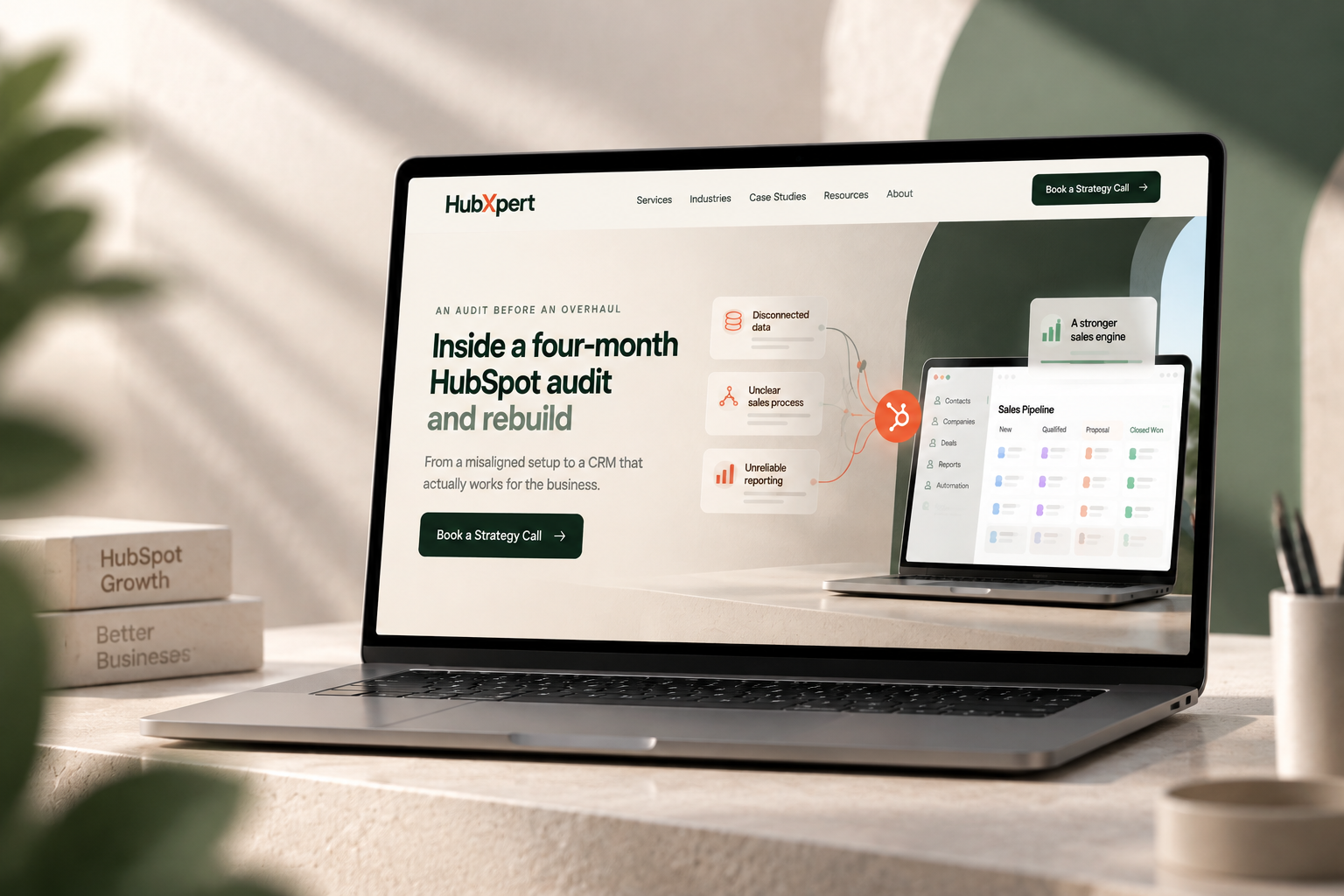
HubXpert’s White-Label HubSpot Services
At HubXpert, we’ve worked with businesses implementing HubSpot for much more than marketing automation.
Many clients now use it as a central collaboration layer connecting:
- CRM visibility
- Client onboarding
- Reporting dashboards
- Support workflows
- Sales pipelines
- Internal operations
- Automated communication
The biggest advantage is not simply having more features. It’s reducing the disconnect between teams, systems, and client communication.
When collaboration data lives alongside customer data, agencies gain much clearer operational visibility across the entire client lifecycle.
Final Verdict: The Best Client Collaboration Tool for 2026
The best client collaboration tool in 2026 depends less on features and more on workflow fit.
If you want an all-in-one operational system, ClickUp is one of the strongest overall platforms available today.
If your business revolves around structured task delivery, Asana remains one of the cleanest and easiest systems for client-facing project management.
For CRM-driven collaboration and long-term client visibility, HubSpot stands out because it connects communication, reporting, onboarding, sales, and customer data in one ecosystem.
If your workflow depends heavily on creative approvals, tools like BugHerd and Planable solve very specific problems exceptionally well.
And for freelancers or smaller teams, simpler platforms like Trello or Notion are often more practical than enterprise-level systems.
The most successful agencies and service businesses rarely rely on one tool alone. They build lightweight collaboration stacks that reduce friction for both their teams and their clients.
Because at the end of the day, great collaboration is not about having more software. It’s about making work easier, clearer, and faster for everyone involved.
FAQs
What is the best client collaboration tool in 2026?
There is no single best platform for every business.
ClickUp is one of the strongest all-in-one solutions for agencies and growing teams. Asana works extremely well for structured project management, while HubSpot is better for businesses that want collaboration connected directly to CRM and customer data.
The right choice depends on your workflow, communication style, and client experience requirements.
What’s the difference between client and team collaboration tools?
Team collaboration tools are designed primarily for internal communication and workflow management.
Client collaboration tools include external-facing features like:
- Client permissions
- Approval workflows
- Shared dashboards
- File access
- External messaging
- Client portals
Some platforms support both internal and external collaboration, while others focus mainly on internal operations.
Do I need a client portal or a project management tool?
It depends on how your business works.
If clients mainly need updates, files, reports, or visibility, a client portal may be enough.
If your work involves deadlines, approvals, tasks, dependencies, and ongoing execution, a project management platform usually makes more sense.
Many agencies combine both approaches together.
What’s the best free client collaboration tool?
For free collaboration tools, the strongest options are usually:
- Trello for simple project tracking
- Notion for documentation and portals
- ClickUp for all-in-one workflows
- Slack for communication
Most free plans work well for smaller teams, but growing agencies often outgrow them quickly.
How do most agencies collaborate with clients?
Most agencies use a combination of tools instead of relying on one platform alone.
A typical stack may include:
- Project management software
- Shared communication channels
- File-sharing systems
- Feedback and approval tools
- CRM or reporting platforms
The most effective agencies usually standardize communication into centralized systems instead of relying heavily on email.
Are AI-powered collaboration tools worth it?
In many cases, yes.
AI features can reduce repetitive coordination work through:
- Meeting summaries
- Automated task generation
- Smart notifications
- Workflow suggestions
- Content organization
However, AI works best when layered on top of already-structured workflows. It cannot fix broken operational processes by itself.
How do I keep client data secure in a collaboration tool?
Security starts with proper permissions and access control.
Businesses should:
- Limit client visibility only to relevant information
- Use role-based permissions
- Enable two-factor authentication
- Review sharing settings regularly
- Use secure cloud platforms with strong compliance standards
This becomes especially important when collaboration platforms store financial, legal, or customer data.
Pick The Stack That Fits Your Workflow
The best client collaboration setup is not the one with the most features. It’s the one your team and clients consistently use without friction. Some businesses need powerful all-in-one systems. Others work better with lightweight specialized tools connected together.
The important thing is creating a workflow where communication, approvals, files, and project visibility feel organized instead of chaotic.
Start simple. Identify your biggest collaboration bottleneck first. Then build your stack intentionally around how your business actually operates. Because in 2026, client experience is no longer shaped only by the final deliverable. It’s shaped by how smoothly clients collaborate with you throughout the entire process.
Founder & CEO @ Hubxpert. My goal is to make every company using HubSpot succeed in their marketing organisation and automation.

Ratul Rahman
Table of Contents:
Subscribe to our newsletter

12 Best Client Collaboration Tools in 2026 (Compared & Reviewed)
Compare the best client collaboration tools to discover the top platforms for project management, approvals, communication and CRM-driven collaboration.
25 Cold Email Best Practices That Actually Work in 2026
Learn 25 cold email best practices that improve deliverability, reply rates, personalization, and pipeline generation in 2026.
6 Email Nurture Sequences That Convert More Aesthetic Consultations
Proven email nurture sequences for aesthetic clinics to convert more consultations. Learn timing, automation strategies, and HubSpot workflow tips.
Best Patient Intake Forms for Plastic Surgery Clinics | HubSpot Guide
Wanna know what to include in a plastic surgery patient intake form? See a practical template, and discover how HubSpot can automate patient intake, reminders, and follow-up workflows.
The Complete Guide to HubSpot Commerce Hub in 2026
Learn how HubSpot Commerce Hub helps businesses manage quotes, invoices, subscriptions, payments, and revenue operations from one connected CRM platform.
Top 7 CRM Workflows Every Plastic Surgery Clinic in the USA Should Automate
The 7 CRM workflows every US plastic surgery clinic should automate in HubSpot. Lead routing, pre-consult nurture, post-op review — with real benchmarks.
-
12 Best Client Collaboration Tools in 2026 (Compared & Reviewed)
hello
CRM -
25 Cold Email Best Practices That Actually Work in 2026
hello
Email -
6 Email Nurture Sequences That Convert More Aesthetic Consultations
hello
General -
Best Patient Intake Forms for Plastic Surgery Clinics | HubSpot Guide
hello
General -
The Complete Guide to HubSpot Commerce Hub in 2026
hello
Commerce Hub -
Top 7 CRM Workflows Every Plastic Surgery Clinic in the USA Should Automate
hello
General